
News
NJC refused to tackle judges DSS suspected of corruption

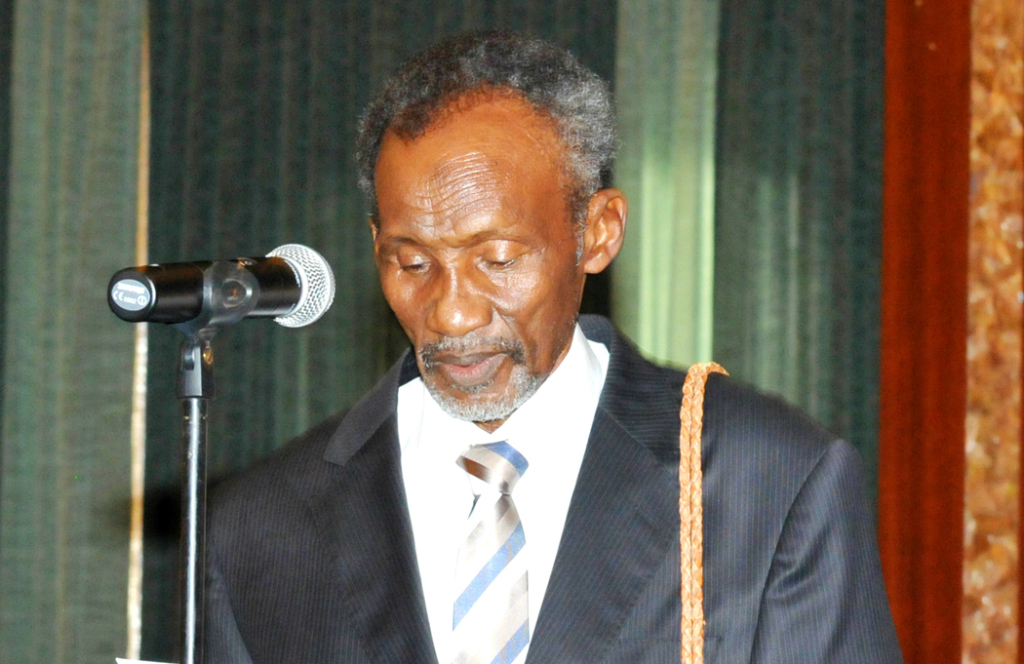
The Civil Society Network Against Corruption (CSNAC) has said the Nigeria Judicial Council deliberately refused to investigate and sanction those judges against whom the Department of State Security petition the council over eight months ago.
The group insisted that the claim by the NJC is completely misleading because it is far from the truth.
CSNAC’s Chairman Olanrewaju Suraj in a petition to the NJC said the disciplinary measure the judicial body took against the first few judges indicted for corruption cas serious doubt on the council’s commitment to restoring public confidence in Nigeria’s judges.
“Contrary to such claim, CSNAC wishes to state that the deliberate refusal of the NJC to investigate and sanction judges accused of corruption, abuse of office and other acts of misconduct by members of the public have encouraged judicial corruption in the country. Crruption and impunity is endemic in Nigeria’s judicial system,” the petition read in part.
“In other words, the outright failure of the judiciary to purge the Nigerian judicial system of corrupt practices has eroded public confidence in the judiciary. Indeed, the disciplinary measures meted out to some erring judges have cast serious doubt on the expressed commitment of the NJC to restore public confidence in the country’s judiciary. ,”
According to the group, the claim of the NJC that it is committed to the anti-corruption policy of the Mohammed Buhari Administration flies in the face of the granting of frivolous injunctions issued by judges which have frustrated the investigation and prosecution of politically exposed persons and people accused of corruption.
“In several other cases, judges involved in the trial of corruption cases as well as the appellate courts have granted stay of proceedings to stall the prosecution of corrupt people in the society.”
The group said apart from the case of Justice Mohammed Yunusa, who was recently recommended for retirement by the NJC, no other judge has been sanctioned by the NJC for frustrating the fight against corruption.
“Even in the case of Justice Yunusa, the NJC failed to act until the Civil Society Network Against Corruption (CSNAC) had to compile seven cases in which the judge granted perpetual injunction to restrain the EFCC, ICPC and the offices of the Inspector-General of Police and Attorney-General of the Federation from prosecuting some persons accused of criminal diversion of billions of naira.”
Confirming that over 10 petitions were forwarded to his organisation against the misconduct of judicial officers, Suraj queried why the NJC decided not to investigate and sanction judges alleged of judicial corruption in the petitions.
The group says it believes that corruption and impunity in the judiciary pose a serious challenge for credible administration of justice as well impugn on the collective psyche of stakeholders in the judicial system.
“CSNAC therefore calls on the NJC to join the calls to rid the judiciary of bad eggs, in the interest of justice, democracy and good governance.”


-
 Latest5 days ago
Full List: Meet the 2026 Nobel Prize winners across six categories
-

 Football5 days ago
Premier League Matchweek 7: Five Fixtures That Could Shape the Weekend
-

 Latest4 days ago
Umahi defends Lagos-Calabar highway route changes amid public outcry
-

 Business3 days ago
Dangote Refinery IPO: 70% Subscription claim meets fourfold demand assertion as investors seek clarity
-
Business4 days ago
Dangote Refinery IPO Extension: Was the 70% subscription report overhyped?
-

 Latest2 days ago
UCTH faces morgue crisis as 50 unclaimed corpses await mass burial
-
 Featured4 days ago
El-Rufai, ADC governorship candidate’s court appearance puts Kaduna opposition politics in focus
-

 Business2 days ago
BREAKING: Nigeria’s Inflation Rate Drops to 14.63% in September