
Maritime
Port infrastructure, not government policies killing terminal business, says Travers

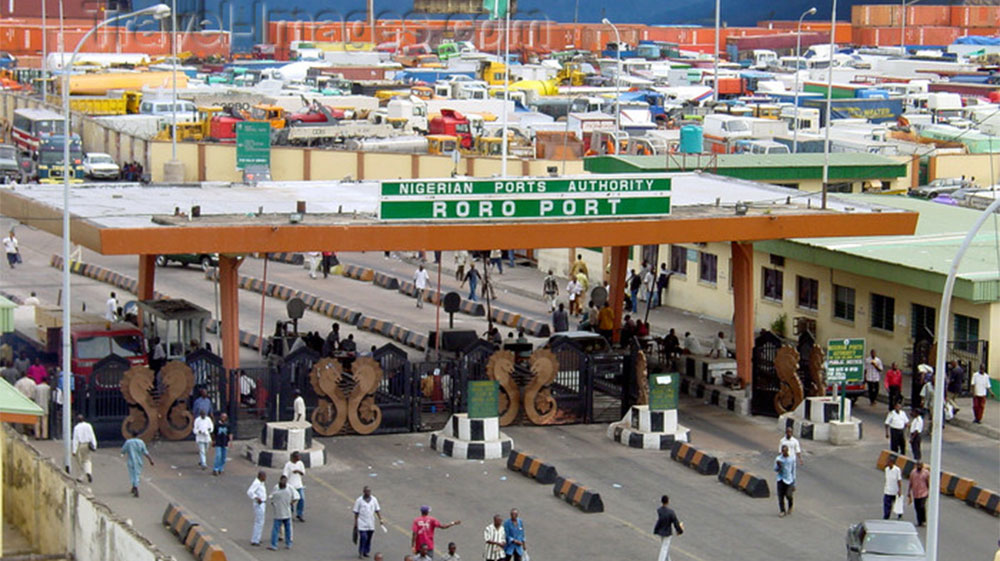
The Managing Director of Josepdam Port Service Nigeria Limited (JPS), Mr. Simon Travers has revealed that the major challenge in ease of doing business at ports and terminals is infrastructure deficit and not government policies in seaports.
In an interview in Lagos, he disclosed that old age, limitation and general scarcity of relevant port infrastructure are frustrating port operations by terminal concessionaires.
According to him, “The local infrastructure, that’s primarily the problem because of the turn-around time of our cargo here, the turn-time is supposed to be seven days; that is the average but at the moment it is 27 to 28 days and this is reducing our throughput ability”.
“The longer the cargo stay on the terminal the less cargo we can off load from other ships. So we are turning away ships because we do not have space. We had some ships yesterday but I had to reject them because we have no space and another reason I do not have space is because the trucks cannot get here because of infrastructure and the road is in bad condition and the trucks cannot get here because of the gridlocked. That is the major challenge we are having as a terminal”.
On if there are some issues with government policies, Travers averred that “Not really, there are no government policies that are affecting us”.
“There was the issue of ban on some products coming to Nigeria from the United Kingdom, UK but that has not come to effect so the only challenge we have is negotiating with the senate on the bill and NPA.
“The inability to get a foreign exchange is also another problem. Some of our clients plead with us allow them pay their dollar bills in naira…
“Because of the inability to get a foreign exchange, what happens is that vessel coming here always have two bills, a dollar bill and a naira bill, so concerning the dollar bill there are situations the importer cannot access the market to get the dollars, they have to go to the black market which makes the rate to be N360 to N370; which is obviously wasting their money because it is not readily available at the Central Bank of Nigeria, CBN because they cannot go there and get it.
“So when they come and say “can you help us by allowing us to pay our dollars bills in naira?” Depending on our requirements for the naira then we can say yes or no. We have our obligations to NPA; we have obligations to pay dollar or naira bills for our lease fees.
He revealed that “I will always make sure I have enough dollars coming in and if I have the ability to help our clients by allowing them to pay their dollar bills in naira as long as we have generated enough dollar to pay more obligations. So I do not go into danger.


-

 Latest3 days ago
Full List: Meet the 2026 Nobel Prize winners across six categories
-
 Featured1 week ago
103 Million Voters: What does INEC’s new register say about Nigeria’s population?
-

 Football3 days ago
Premier League Matchweek 7: Five Fixtures That Could Shape the Weekend
-

 Business1 week ago
The Ministry of Commerce of Loveworld gets a $1 million boost for new investment fund at LTIF 2026 to promote Trade in Ghana
-

 Features1 week ago
Edo’s 2.5 million vote promise: Can the numbers match the politics?
-

 Latest2 days ago
Umahi defends Lagos-Calabar highway route changes amid public outcry
-
 Business2 days ago
Dangote Refinery IPO Extension: Was the 70% subscription report overhyped?
-

 Latest1 week ago
Nigeria to Ghana: Inside police hunt for Anambra kidnap suspect