
Health
Stop taking these drugs in excess, they are harmful to your kidneys

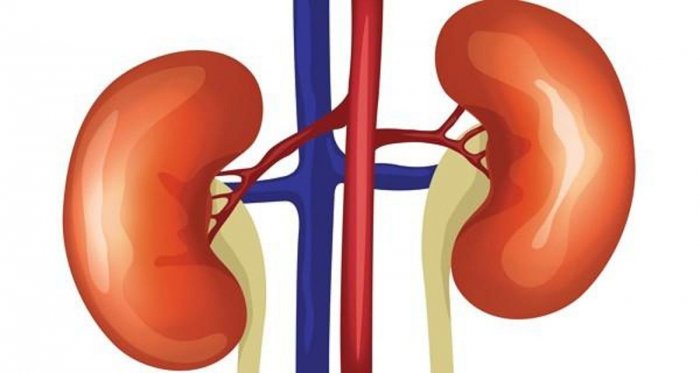
To protect your liver and kidneys, stop taking the following three medications.
I’ll explain why the liver and kidney are the two most essential organs affected by these medications in significant amounts or doses towards the end of this essay.
Because they believe the suggested dose of 1000 mg is insufficient, many people, including a friend of mine, overdose on acetaminophen (up to 25, 000 mg).
When too much paracetamol is used, a metabolite (a product of paracetamol breakdown) is generated, which is harmful to the liver and kidneys. Acetaminophen is a hepatotoxic drug, which means it can harm the liver.
To be clear, if paracetamol is no longer effective, other pain relievers such as ibuprofen, ketoprofen, naproxen, and diclofenac can be used instead.
Practically all NSAIDs appear to produce liver damage through idiosyncrasy rather than inherent toxicity. The only exceptions are acetaminophen and aspirin, both of which can produce dose-related damage. Although many cases of NSAID-related liver disease have immunologic causes, toxic metabolites may play a role in the liver damage produced by specific NSAIDs.
2. Ketoconazole: Ketoconazole is a medicine that is hepatotoxic (that is, drugs that destroy the liver).
Many doctors have begun to warn against taking this prescription because of the liver damage it causes when used at regular doses. Consider the ramifications of binge eating. The consequences would be devastating.
As a physician, I advise administering this medication topically (on your skin or at another external site) rather than systemically (do not drink it).
Remember, this is only advice; your doctor will ultimately decide what is best for you.
Antibiotics
Insecticides, herbicides, and ethylene glycol are all chemicals that can induce acute kidney injury. Protease inhibitors like indinavir and ritonavir, as well as nonsteroidal anti-inflammatory medicines like ibuprofen and ketoprofen, are used to treat HIV. Heroin and methamphetamines are examples of illegal substances.
I discussed how people use a combination of antibiotics to achieve the best results. Not only are you jeopardizing your body’s vital organs, but you’re also wiping out germs that your body uses to communicate key or necessary physiological responses.
It puts your life in peril if you kill them.
Because your kidneys and liver are the organs most at risk from taking too many of these medications, they are also the organs most susceptible to injury.
The medications must be broken down by the liver and kidneys in order for the principal component to be released, which provides the therapeutic effects you need.
Some drugs, such ketoconazole and acetaminophen, include potentially toxic chemicals that are eventually eliminated via the liver and kidneys.
It’s crucial to recall what I mentioned about “little by little” previously. If you have too many of these compounds in your liver and kidney after an overdose, they will begin to damage the cells in your liver and kidney.
Excessive amounts used over a long period of time may cause irreversible liver and kidney damage.


-

 Featured6 days ago
Inside INEC’s race to prepare for Nigeria’s 2027 elections
-

 Latest7 days ago
Global excitement builds as Healing Streams Live Services returns October 23
-

 Featured6 days ago
2027: APC unveils nationwide campaign timetable, Tinubu to rally in 12 states
-

 Business1 week ago
President Tinubu and the Low Transport Fares Fiasco
-

 Business1 week ago
BREAKING: Nigeria’s Inflation Rate Drops to 14.63% in September
-

 Business3 days ago
Naira faces exchange rate gap as Dollar hits N1,380 on parallel market
-

 Business6 days ago
Court dismisses ₦170m Trade Fair contract claim, says Zenith Bank was not a party
-

 Latest6 days ago
Breaking: NNPCL raises petrol price to ₦1,405 per litre amid discount controversy