
Business
$1.2bn debt: GTB, others reject Etisalat’s 5% equity offer


- banks under pressure to avoid loan loss provision
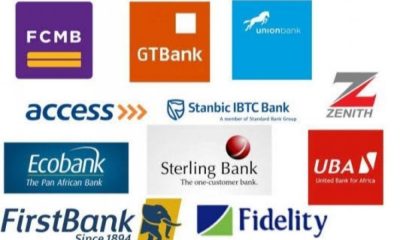
The 13 banks being owed $1.2bn by Etisalat Nigeria has rejected an offer of five per cent equity in lieu of the credit extended in 2013, National Daily has gathered.
The equity offer, National Daily gathered was made in a communication to the bank at the weekend a month after negotiation broke down following deadlock.
Talks between the Nigerian arm of Abu Dhabi’s Etisalat and its lenders to renegotiate the terms of a $1.2 billion loan have reached deadlock last month after the telecoms firm missed a payment, two sources with knowledge of the matter told our correspondents.
National Daily also gathered that the bank, under pressure to avoid loan-loss provisions, are pushing to finalise the debt restructuring before next month’s half-yearly audit, a banking source said.
Etisalat met with the lenders in London on April 28 led by Guaranty Trust Bank but they could not agree a way forward, the sources said.
The telecom firm signed the medium-term seven-year facility with 13 local banks in 2013 to refinance a $650 million loan and fund expansion of its network, but is now struggling to repay.
ALSO SEE: Etisalat loan talks reach deadlock
Etisalat Nigeria revealed that it was in talks with lenders to restructure the loan after it missed a payment.
“There is no conclusive view on the way forward,” one banker who declined to be named told Reuters after the meeting. “The most viable solution which the banks are pushing for is for the shareholders to inject equity into the business.”
A source at Etisalat, which owns 45 percent of the Nigerian company, said the company was not willing to invest more after converting some loans it made to the affiliate to equity and writing down its investment to $50 million.
Abu Dhabi’s state-owned fund Mubadala owns another 40 percent.
Etisalat is the biggest foreign-owned victim of the dollar shortages plaguing Nigeria’s financial system.
Nigerian regulators in March agreed with local banks to pursue a default deal rather than a receivership for Etisalat Nigeria so as not to deter investors and to avoid a wider debt crisis.
But lenders are keen to keep a lid on rising non-performing loans (NPLs) to preserve their capital as Africa’s biggest economy battles a recession and currency crisis. NPLs hit 14 percent in 2016 from 5.3 percent a year earlier.











-

 Latest1 week ago
Global excitement builds as Healing Streams Live Services returns October 23
-

 Featured7 days ago
Inside INEC’s race to prepare for Nigeria’s 2027 elections
-

 Business1 week ago
President Tinubu and the Low Transport Fares Fiasco
-

 Featured7 days ago
2027: APC unveils nationwide campaign timetable, Tinubu to rally in 12 states
-
 Business4 days ago
Naira faces exchange rate gap as Dollar hits N1,380 on parallel market
-
 Business7 days ago
Court dismisses ₦170m Trade Fair contract claim, says Zenith Bank was not a party
-

 Latest7 days ago
Breaking: NNPCL raises petrol price to ₦1,405 per litre amid discount controversy
-

 Business1 week ago
Rite Foods targets beverage market growth with LIDA Malt