
Business
Naira under pressures as oil prices remain unstable

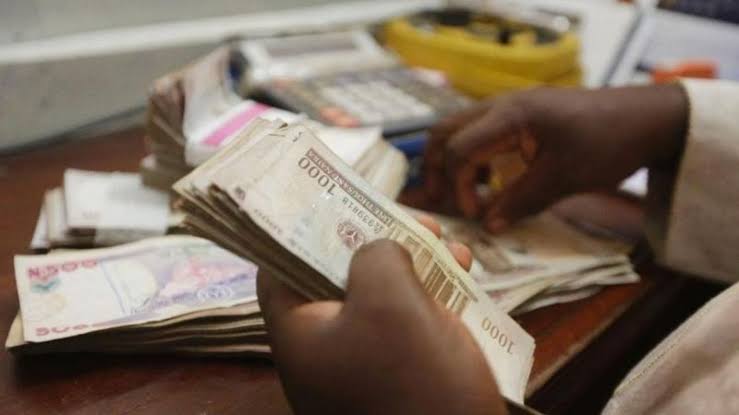
Nigeria’s currency, the naira, is presently experiencing more pressures than ever before, based on negative macro fundamentals such as plunging crude oil prices which constitute the lion’s share in Nigeria’s export earnings, and the COVID-19 pandemic which has weakened global demand.
The naira has dropped to N425 on the black market today, as a fallout of the Central Bank’s earlier decision to stop selling foreign exchange currencies to Bureau de Change dealers, and heighten the clampdown on currency speculators.
Naira crashes further at the parallel market due to dollar scarcity, lowest since 2017.
Lately, the naira has been hitting new lows on the OTC, black, and spot markets as market liquidity remains very thin after the Central Bank devalued the naira’s official rate by 15%. It closed at a low of N389 on the spot market on Wednesday.
Recently, at a financial summit organized by Lagos Business School via teleconferencing, Nigeria’s celebrated economist, Bismarck Rewane on Nigeria’s present and projected situation said that Nigeria is experiencing “economic paralysis” caused by induced “economic coma.”
He spoke on how Africa’s largest economy, with a GDP (Gross Domestic Product) of $420 billion, would experience negative growth in the next three months due to lack of enough cash buffers that made it survive the earlier recessions in 2008, and 2016, coupled with Nigeria’s low productivity level, and poor management of its economy.
Rewane projected an increase in Federal Government spending, thereby spurring inflation, and Nigeria having higher unemployment levels in the mid-term, due to the COVID-19 onslaught, and plunging global demand for Nigerian goods and services.
In addition, he described the high national debt compared to Nigeria’s GDP as worrisome and projected inflation at 19% by the end of the year and remarked that these negative economic indicators further increased the odds against the naira.
Also reacting, an investment analyst of a leading investment bank, Victoria Njimanze, explained in detail how Nigeria’s earnings have fallen, due to weakening crude oil prices, coupled with high inflation set in. She said:
“As crude oil prices stay low, we also see foreign exchange earnings decline. With CBN (Central Bank of Nigeria) reserves at $33.66 billion, as on the 21st of April, which stands for a year to date decline of 13% and edge close to the $30billion mark? We saw a depreciation of the exchange rate by C.14% in the parallel market, and C.6% officially, and the suspension of foreign exchange sales to BDCs (Bureau De Change).”
Victoria also buttressed her point on how inflation is rising. According to her, on the inflation side, the CPI report by the NBS showed that headline inflation rate rose marginally by 6bps to a 23-month high of 12.26% YoY from 12.20% YoY in February, largely driven by the uptrend in core and food prices.
“Given the lockdown in major commercial hubs in the country, and closure of land borders, which will last the entire month of April, we expect to see headline inflation go even higher to 12.40%,” she added.


-
 Business3 days ago
OPay explains how Nigerians can access FG’s N50,000 monthly cash relief
-

 Sports7 days ago
Senegal opens Dakar 2026 Youth Olympic Games, Africa’s first Olympic event
-

 Latest7 days ago
FG Announces N50,000 cash support for vulnerable Nigerians under new relief programme
-

 Business7 days ago
NNPC’s N66-per-litre petrol discount set to end October 31
-

 Latest6 days ago
INEC recognises Pantami for Gombe, keeps Kano NDC candidate off final list
-

 Latest1 week ago
Netanyahu, Eisenkot face coalition deadlock as Israel struggles to form new government
-

 Latest7 days ago
NDC Chieftain tells Atiku to drop presidential ambition over son’s support for Tinubu
-

 Crime7 days ago
Doris Ogala remanded as Court adjourns bail hearing to November 6