
Football
FGN wades into Falcon’s $25,000 allowances’ demand

- Default in payment caused by recession – Lai Mohammed
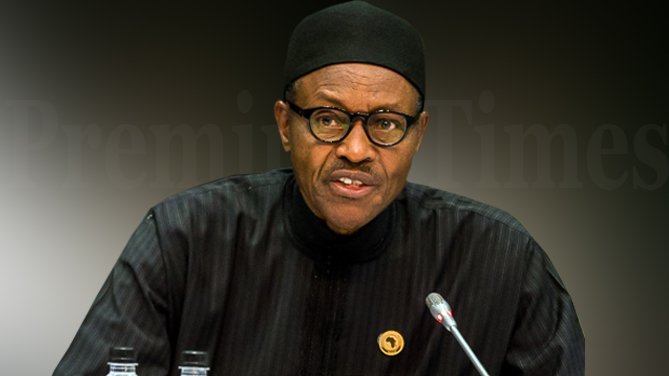
The Federal Executive Council (FEC) chaired by President Muhammadu Buhari, on Wednesday started deliberation on the crisis surrounding the payment of outstanding allowances and bonuses to the victorious Super Falcons.
The team, which won the African Women’s Cup of Nations (AWCON) trophy last Saturday, seized the trophy until the Nigeria Football Federation (NFF) settles all their outstanding bonuses and allowances in tune of $25,000 for each player.
They also vowed to remain at their Agora hotel in Abuja until their money is paid.
Speaking with State House correspondents at the end of FEC meeting, the Minister of Information, Lai Mohammed said that FEC is looking into the matter.
“The Minister of Youth and Sports raised the issue today at the council and it is being looked into,” he said.
According to him, the economic recession in the country is partly responsible for inability to meet up with the outstanding payments.
“Over time, it has become tradition to reward victorious athletes of sports persons but I think this is caused by the biting economic situation.
“The Minister of Youths and Sports is handling the matter. It was reported under other matters today at the council,” he stated.


-
 Football1 week ago
Premier League releases 2026/27 festive fixtures, 7 matches set for Boxing Day
-

 Crime7 days ago
Anambra Police arrest mother over alleged child sexual exploitation
-

 Business6 days ago
Jetour Nigeria, dealers take dashing, other models to Abuja Experience
-

 Business7 days ago
Dangote Refinery IPO shifts spotlight to corporate governance, investor protection
-

 Business3 days ago
Abuja gears up for Jetour T2’s rugged-luxury experience
-

 Business4 days ago
Dangote IPO rush crashes Bamboo login as investors flood platform
-

 Business4 days ago
Nigeria Business Outlook: Dangote IPO, markets, inflation and naira in focus this week
-

 Business1 week ago
Naira gains ground as Euro holds around N1,548, reserves hit 18-year high