
News
Take note of these things to save your life if you’re using gas

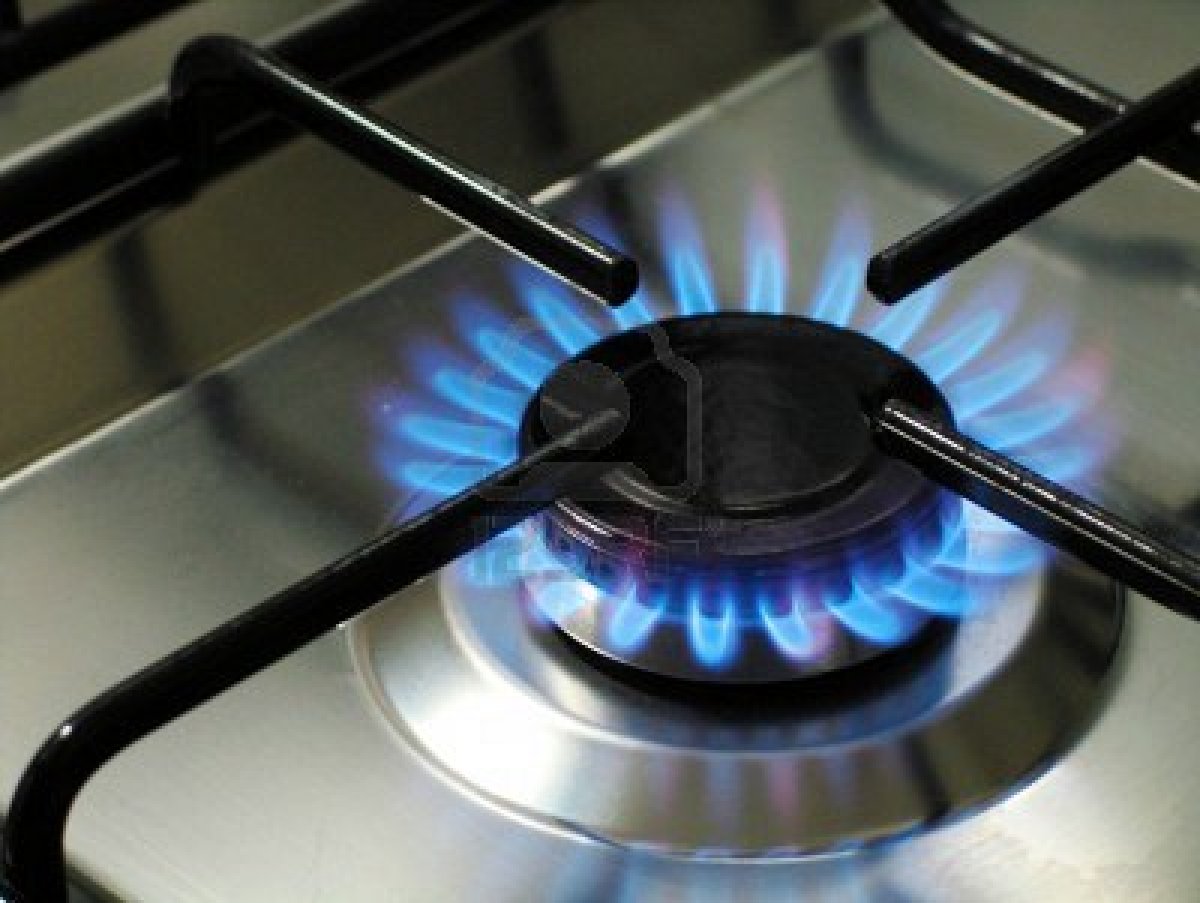
A growing number of individuals are switching to using gas burners as their primary means of cooking due to technological advancements.
In the past, most people used either a wood fire as a source of heat or a stove, an electric range, or both.
Once upon a time, those living in a building with more than one fireplace had to go outside to cook their meals, but nowadays, a gas burner may be installed inside.
But there is a unique set of dangers connected to this gas burner that you should never take. Let learn to be careful and save our life while cooking with gas.
While gas burners have made cooking a lot easier, they also present a fire hazard and can damage expensive appliances or even take a life.
It’s up to you to figure out how to make use of the fact that gas is a state of matter with both positive and negative features.
Please keep in mind these three guidelines for gas stove safety at home
1. Make sure your kitchen is well aired
Gas stoves need to be used in a room with plenty of air circulation. That being said, it’s risky business to go about your day without an adequate exhaust system.
The reason for this is that when fuel is burned incorrectly, it produces toxic byproducts including carbon monoxide (CO) and nitrogen oxide (NO), both of which can be lethal to humans and cause severe damage to buildings if inhaled. Although it’s conceivable for gas to seep in undetected, there’s nothing to worry about if the ventilation is enough.
2. Put down the phone while you’re cooking
In the kitchen, away from the gas range, you should not use your phone. Make sure your phones are safely out of the way when you’re cooking with gas. Because even a small amount of gas escaping without being noticed could cause the phone to overheat.
This could cause a short circuit, which, when combined with a small electric arc, could cause an explosion.
3. Keep any flammable objects far from your gas cylinder
A minimum distance of 20 feet must be maintained between pressurized gas cylinders and flammable materials, including grease, gasoline, wood, and paper inside the home.
Turn off the pipe’s supply of whatever is being transported by closing the valve.
4. Storage
Try not to stockpile more resources than you can use. The gas cylinder needs to be stored in a dry, protected area with good airflow.
The fuel storage containers should be kept cool and clear of direct sunlight and hot temperatures. These are only some of the measures taken to protect gas storage tanks.
5. Tubes and controllers
The cylinders and their attached tubes and regulators require extreme caution when handling. Many gaps exist in this structure.
The significance of preventative maintenance is highlighted. Replacement of broken tubes is a vital part of keeping gas containers safe. Expert assistance is recommended over amateur tinkering with the cylinders.


-

 Football7 days ago
France confirms U-20 Women’s World Cup participation amid FIFA-UEFA rift
-

 Business7 days ago
Nigeria’s external debt service falls 31.5% to $954m in Q1 2026
-

 Football5 days ago
WAFCON 2026: Super Falcons battle South Africa for World Cup play-off spot
-

 Latest6 days ago
Messi reportedly faced multiple bomb threats during 2026 World Cup
-

 Latest5 days ago
Osun 2026: Oyinlola group backs Oyebamiji, faults Adeleke over exclusion
-

 Business3 days ago
Bigi, Fearless take campus engagement to new level, reach 20 tertiary institutions
-

 Featured7 days ago
Osun Governorship Election: Adeleke faces tough test as APC, ADC mount challenge
-

 Latest6 days ago
NFF denies calling for Infantino’s resignation