
News
Traditionalists in Anambra reject Homeland Security Law, accuse Soludo of religious bias

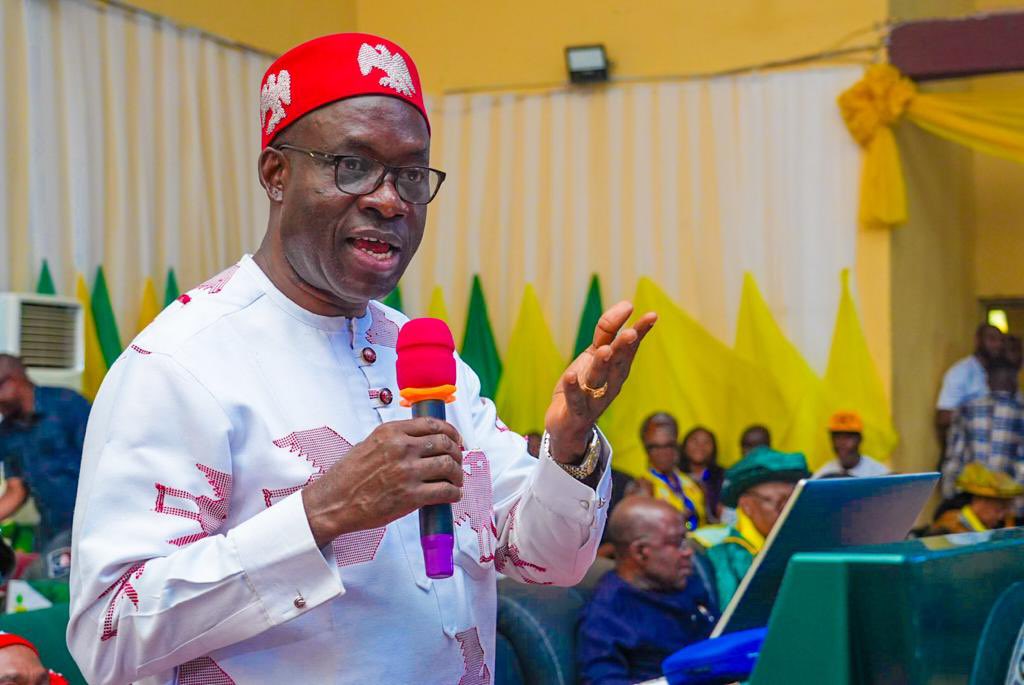
Traditional religious practitioners in Anambra State have strongly opposed the newly enacted Anambra Homeland Security Law, accusing Governor Chukwuma Soludo of discriminating against indigenous spirituality and attempting to suppress traditional religious practices.
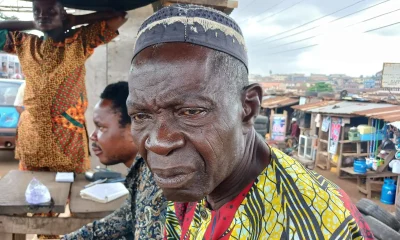
At a press conference in Awka on Monday, members of the Traditional Practitioners Association of Nigeria, led by their Supreme Leader, Dibia Chukwuma Ezeruonye, condemned the law, describing it as a direct attack on their faith. They alleged that it stigmatizes their beliefs and falsely links their practices to insecurity in the state.
The group warned that if Soludo fails to address their concerns, they will mobilize against his re-election in the November 8, 2025, governorship election.
Ezeruonye lamented that, since the passage of the law, traditional worshippers have faced increased harassment and discrimination, with many wrongly accused of criminal activities.
“With the deepest sense of humility, civic responsibility, and respect, I must express my grave concerns regarding recent actions and comments from the state government. These actions raise fundamental questions about equity, justice, and constitutional rights,” he stated.
READ ALSO: Soludo raises alarm over rising kidnapping, names Simon Ekpa as key culprit
The traditional leader also criticized Governor Soludo’s reported statement that “Anambra will no longer be a home for traditional practices,” calling it historically, culturally, and constitutionally flawed.
“The Homeland Security Law is biased against traditional practices. It wrongly labels us as criminals, which is completely false. We are law-abiding citizens contributing to the development of the state.”
He argued that every religion has both good and bad people, and instead of targeting traditionalists, the authorities should focus on identifying and prosecuting individuals engaged in criminal activities—regardless of their faith.
Ezeruonye also accused some Christian clerics, particularly bishops, of influencing government policies against traditionalists, warning that such actions could destabilize religious harmony in Anambra.
“Justice demands equal standards. If traditionalists must prove the efficacy of their practices, then pastors, prophets, and evangelists who claim miraculous cures should also be held to the same standard of proof. Truth and justice should not have religious boundaries,” he asserted.
Another major grievance raised by the group was the outright ban on traditional sacrifices at road junctions and water bodies, which they described as a deliberate attack on Igbo spiritual heritage.
“These rituals are an integral part of Igbo cosmology. They serve specific spiritual and communal functions, just as prayers and fasting do in Christianity and Islam. Banning them without offering alternatives is a dismissal of cultural traditions that have existed for centuries,” Ezeruonye argued.
The traditionalists made it clear that they will not remain silent if Governor Soludo fails to address their concerns.
“We urge the governor to urgently review this law and engage in meaningful dialogue with traditional custodians. If this injustice continues, our people will speak with their votes in 2025,” Ezeruonye warned.
He emphasized that Nigeria remains a secular state, and governance should be fair and balanced without elevating one religion over another.
“Christianity, as an organized faith, is a relatively recent introduction in the South-East, whereas our traditional worship has existed for centuries. Governor Soludo must recognize this reality and promote inclusivity rather than discrimination,” he concluded.
The Traditional Practitioners Association of Nigeria urged the Anambra State Government to reconsider the Homeland Security Law and engage in dialogue with traditional religious leaders. They insisted that religious harmony and equal recognition of all faiths are crucial to maintaining peace and unity in the state.
As tensions grow over the perceived suppression of traditional beliefs, political analysts predict that this conflict could shape the 2025 governorship election, especially in rural communities where indigenous spirituality remains deeply rooted.


-

 Business5 days ago
Abuja gears up for Jetour T2’s rugged-luxury experience
-

 Business6 days ago
Nigeria Business Outlook: Dangote IPO, markets, inflation and naira in focus this week
-

 Business6 days ago
Dangote IPO rush crashes Bamboo login as investors flood platform
-

 Business4 days ago
Dangote: Petrol price gap fuels smuggling as Nigeria faces fresh pump price surge
-
 Latest7 days ago
Hamzat meets Pastor Chris Oyakhilome, hails Christ Embassy’s community impact
-
 Business4 days ago
Tinubu’s economic reforms face public confidence test as cost-of-living crisis persists
-
 Business6 days ago
August inflation faces upward pressure despite disinflation trend – Analysts
-
 Business6 days ago
High fuel, low wages: The economic toll of Nigeria’s post-subsidy era