
Crime
Air Force strikes kill nine suspected ISWAP fighters, destroy vehicles in Borno

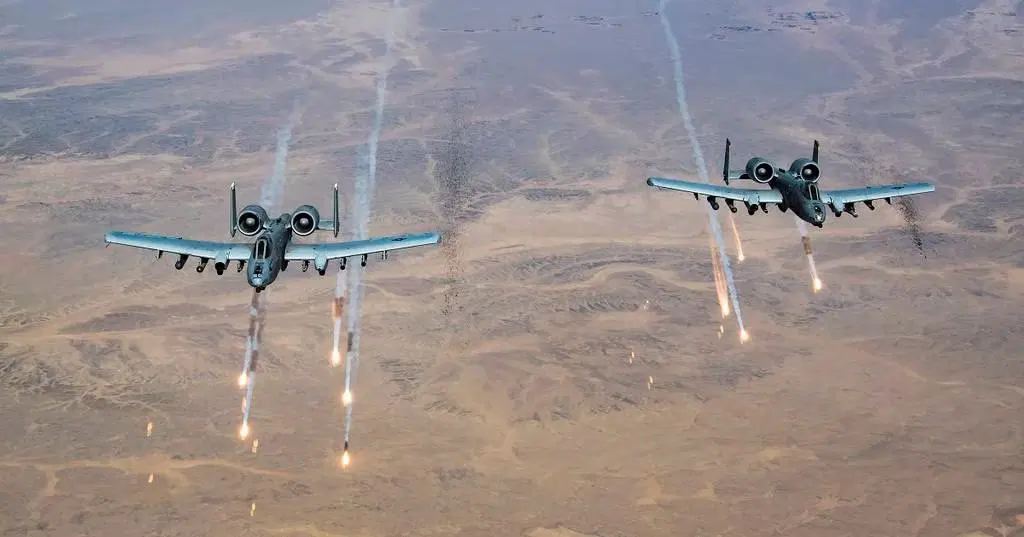
The air component of Operation Hadin Kai (OPHK) has intensified its offensive against insurgents in northeastern Nigeria, killing at least nine suspected fighters of the Islamic State West Africa Province (ISWAP) and destroying multiple vehicles during coordinated air strikes in northern Borno State.
The operation, carried out around the Cross Kauwa and Ali Sherifti areas within the Lake Chad region, was reportedly launched following intelligence indicating that terrorists were attempting to regroup and reorganise their activities in the area.
According to counter-insurgency publication Zagazola Makama, the military operation commenced on June 6 after intelligence, surveillance and reconnaissance (ISR) assets detected suspicious movements at a suspected terrorist enclave in Cross Kauwa.
Security sources revealed that aerial surveillance identified approximately 12 vehicles concealed beneath tree cover, while several suspected insurgents were observed moving between hiding positions in what appeared to be an effort to avoid detection by military aircraft.
The findings reportedly suggested the existence of a significant insurgent logistics and operational hub.
“The discovery pointed to what appeared to be a major terrorist staging area used for logistics, movement coordination, and possible attack planning,” the report stated.
Following confirmation of hostile activities and approval from theatre command authorities, Nigerian Air Force strike aircraft were deployed to engage the target.
READ ALSO: Bandits release fresh video of abducted school principal, dispute government claims (watch video)
Military sources said the aircraft conducted a precision strike on a cluster of vehicles within the hideout, scoring direct hits on four vehicles believed to be used by the insurgents.
The attack triggered massive explosions and fires, with the targeted vehicles reportedly engulfed in flames. Surviving fighters were seen fleeing in different directions as the strike disrupted activities within the camp.
Real-time battle damage assessments indicated that the operation successfully degraded the terrorists’ capabilities and caused significant confusion among the fighters.
Further aerial surveillance of the area later detected additional suspicious movements, including three vehicles attempting to withdraw from the location and several insurgents seeking alternative cover.
As the operation progressed, intelligence reports pointed to fresh terrorist activities in the Ali Sherifti axis, where ISWAP fighters were allegedly preparing attacks on nearby communities.
In response, military aircraft shifted focus to the area and identified a group of eight suspected insurgents hiding beneath a tree. A subsequent precision strike reportedly killed five of the fighters instantly.
The aircraft also targeted another group of suspected terrorists moving toward a concealed vehicle. Four fighters were reportedly killed during the strike, while the vehicle was destroyed.
According to the report, surveillance continued over the Cross Kauwa area after the initial attacks. Military personnel observed about 10 suspected insurgents attempting to regroup approximately 250 metres south of the original strike location.
Several additional vehicles were also spotted dispersed under tree cover, suggesting that some elements of the terrorist network remained active in the area despite the successful strikes.
Military sources described the operation as another demonstration of the growing effectiveness of intelligence-driven air campaigns in the fight against insurgency in the Lake Chad region.
The latest offensive forms part of ongoing efforts by Operation Hadin Kai to dismantle terrorist strongholds, disrupt logistics networks, and prevent attacks on civilian communities across Borno State and other parts of the North-East.
Security analysts note that the integration of surveillance technology, intelligence gathering, and precision air power has increasingly become a critical component of Nigeria’s counter-terrorism strategy, enabling the military to target insurgent movements more effectively while limiting collateral damage.


-

 Business5 days ago
CBN reduces MPR by 350bps to 23% in major monetary policy shift
-

 Business7 days ago
Jetour takes T1 adventure SUV experience to Abuja, targets growing Nigerian market
-

 Football4 days ago
Saka: England still carry World Cup scar
-

 Comments and Issues5 days ago
Sometimes, goodwill finds us through the people we love
-

 Football7 days ago
Nigeria vs Colombia: Falconets battle for U-20 World Cup semi-final ticket
-

 Football1 week ago
Breaking:Brighton shocks Arsenal 3-0 as Gunners’ perfect start comes crashing down
-

 Comments and Issues6 days ago
Peter Obi and the Pensioners’ Testimony
-

 Business7 days ago
NMDPRA moves against petrol price gouging as pump prices rise to N1,450