
Business
Cash dependence, fiscal inefficiencies identified as key drivers of inflation

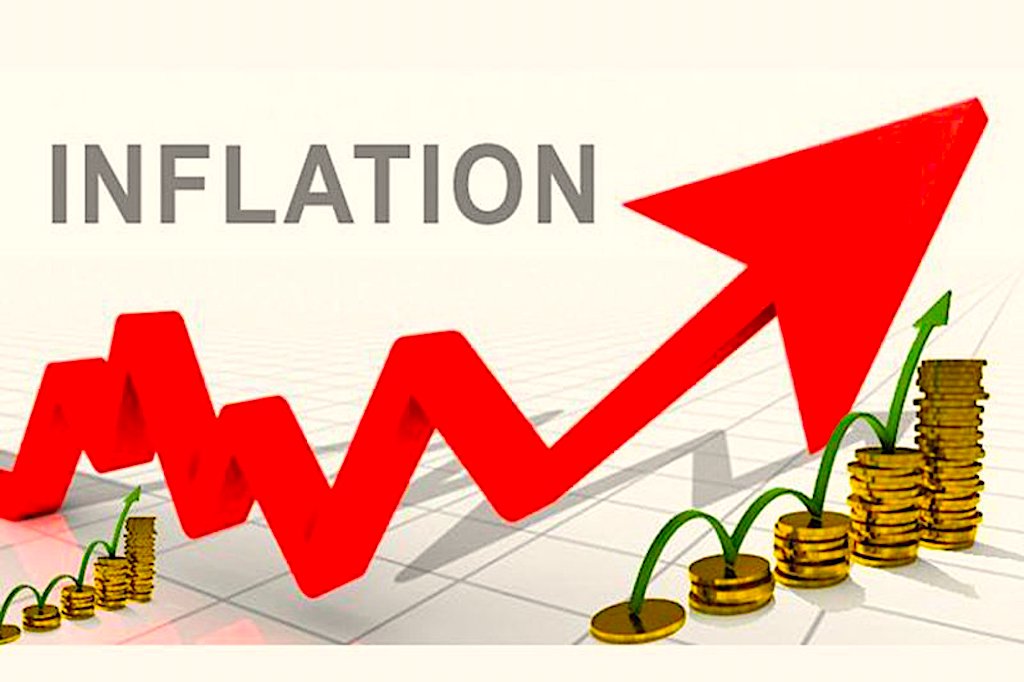
Financial experts have identified excessive cash transactions and inefficiencies at federal and state levels as major contributors to Nigeria’s persistent high inflation.
Speaking on Channels TV, Charles Iyore, Principal Partner at Dion & Associates Ltd, and Dr. Gbenga Adeoye, Principal Partner at Gbenga Adeoye & Co Ltd, shed light on the economic challenges and proposed actionable solutions.
Charles Iyore pointed to Nigeria’s over-reliance on cash settlements as a key driver of high core inflation.
He criticized the disconnect between monetary policy and real economic activity, describing a system where many citizens are excluded from the formal economy, resulting in price distortions.
“We have an economy in which very many people are not part of—it’s like they’re spectators. This exclusion creates distortions,” Iyore explained. “When every settlement is by cash, moderating prices becomes difficult, leading to high core inflation.”
Iyore emphasized the need for a robust monetary framework to mitigate these challenges, advocating for a system with effective instrument controls and a treasury aligned with national growth objectives.
“A sound monetary system is essential. Without it, efforts to stabilize the economy are undermined,” Iyore asserted, calling for centralized economic planning and structured state-level frameworks to curb rogue fiscal behaviors.
Dr. Gbenga Adeoye shifted focus to state governments, accusing them of neglecting critical infrastructure and failing to address inflation despite receiving significant federal allocations exceeding N1 trillion.
READ ALSO: Rising costs, cash crunch cast shadow on Nigerians’ Christmas celebrations
“Over the years, when economic crises occur, the federal government gets the blame. Yet, 95 per cent of state governments have not done what they ought to do,” Adeoye lamented.
“Some states have resources comparable to U.S. states, but where are the investments in roads, power plants, or industrial hubs? Most state governments are nowhere to be found.”
Adeoye criticized politically motivated spending, such as the purchase of luxury SUVs, as undermining efforts to control inflation.
He also highlighted the alarming rise in food prices, with inflation on essential goods surpassing 40 per cent, attributing it to the absence of proactive state policies.
While both experts agreed on the need for non-inflationary spending, their proposed solutions differed. Iyore emphasized the importance of centralized planning and urged the presidency to lead by example through the 2025 budget.
“The presidency must take the lead. He’s the one we’ve entrusted with our mandate,” Iyore stated, advocating for a disciplined fiscal strategy to guide the nation.
Adeoye, however, acknowledged the limitations of federal influence on autonomous state governments. “States are independent entities under the law. While the president can provide direction, governors must implement these principles independently,” he explained.
Adeoye called for stronger accountability mechanisms to ensure state governments manage resources effectively.
Meanwhile, Ayo Teriba, CEO of Economic Associates, provided an optimistic outlook, suggesting that Nigeria could achieve a 5 per cent inflation rate by 2025 if the Federal Government attracts $50 billion in foreign direct investment (FDI).


-
 Latest1 week ago
Israel marks 3 years since October 7 Hamas attack amid Gaza strikes, election debate
-

 Energy7 days ago
Fuel Battle: Dangote, marketers and government clash over petrol imports
-

 Latest2 days ago
Full List: Meet the 2026 Nobel Prize winners across six categories
-

 Football1 week ago
Nigeria’s World Cup exit under spotlight as FIFA’s DR Congo files emerge
-
 Latest1 week ago
US Court set to rule on release of FBI, DEA records on Tinubu
-

 Business1 week ago
Nigerian investors at a crossroads as fixed-income yields slide
-

 Latest1 week ago
Oyo APC crisis deepens as Oluyole reconciliation meeting ends in brawl
-
 Featured6 days ago
103 Million Voters: What does INEC’s new register say about Nigeria’s population?