
Featured
2027 Elections: Jobs, security top young Nigerians’ demands

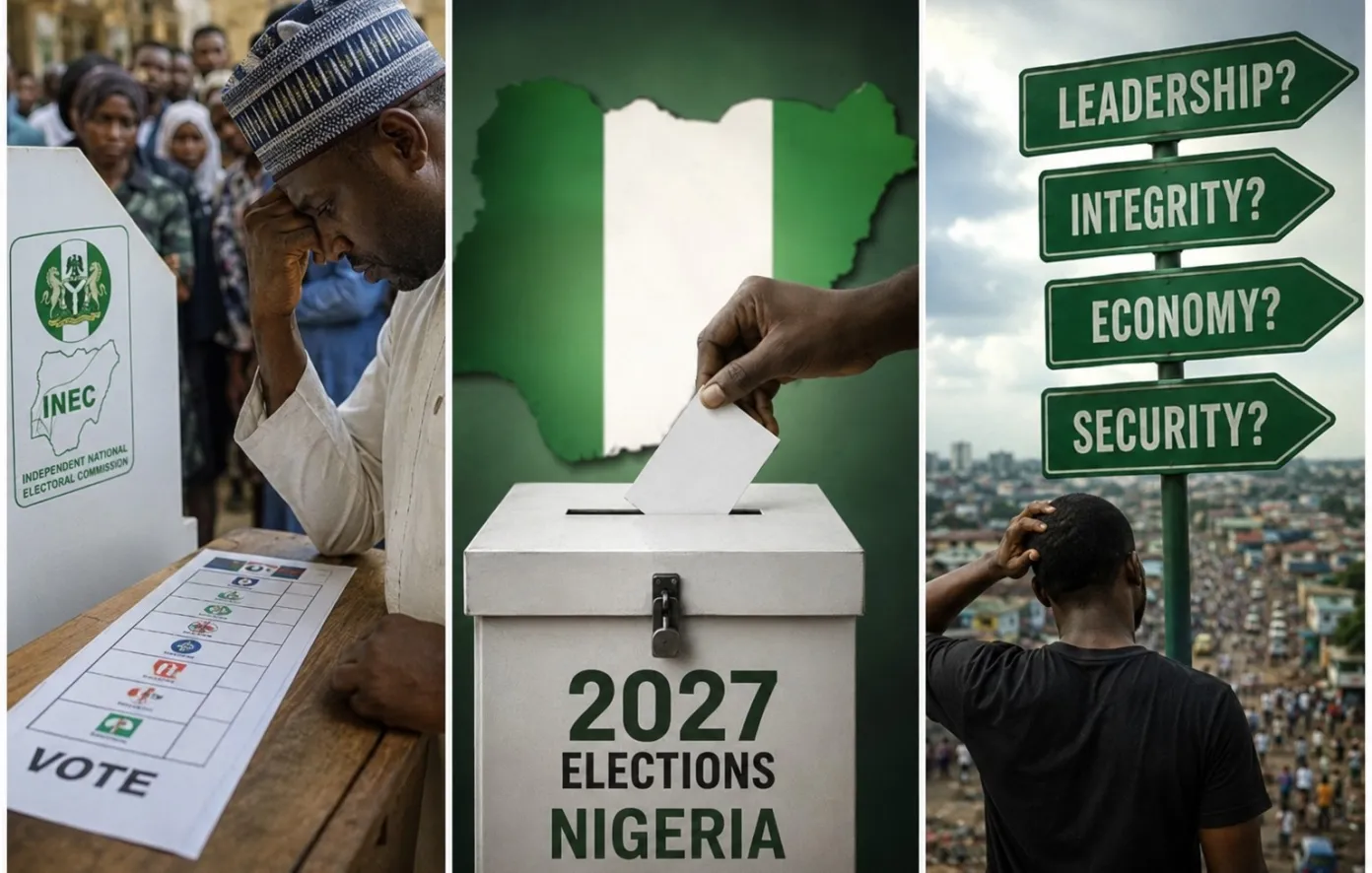
With less than a year to the 2027 general elections, political parties are intensifying coalition talks, zoning debates and strategic alliances. However, conversations with young voters across Nigeria suggest that the issues dominating political circles are not necessarily the ones that will determine how they vote.
Rather than focusing on party defections, endorsements or power-sharing arrangements, many young Nigerians say their attention is fixed on the country’s economic realities. They want candidates to present practical solutions to rising living costs, unemployment, insecurity and declining purchasing power.
Young people make up a significant share of Nigeria’s voting population, and many say the next election will be decided less by party loyalty than by which candidates can convince them they have credible plans to improve everyday life.
Across major cities including Lagos, Abuja, Kano and Port Harcourt, many young professionals, graduates and entrepreneurs say the rising cost of food, rent and transportation has become their biggest concern.
Several respondents told National Daily that a large portion of their monthly income now goes toward basic necessities, leaving little room for savings or investment.
“Politics is important, but surviving each month is even more important,” said 29-year-old software developer David Eze in Abuja. “I want to hear how candidates intend to reduce inflation, create jobs and make life affordable—not who is forming alliances with whom.”
For many young Nigerians, employment remains another decisive issue ahead of the elections. Despite growing interest in technology, digital services and entrepreneurship, access to decent-paying jobs and affordable business financing remains limited.
Small business owners also complain about high borrowing costs, unstable electricity supply and multiple taxes, saying these challenges continue to discourage expansion and job creation.
Economic analysts argue that policies encouraging investment in manufacturing, agriculture, technology and renewable energy could help create sustainable employment opportunities while improving economic growth.
Education is also expected to feature prominently in voter expectations. Many graduates say there is a widening gap between the skills acquired in tertiary institutions and those demanded by employers, leaving thousands of young people either unemployed or underemployed.
Security remains another issue likely to influence voting decisions. Across several parts of the country, insecurity continues to affect farming, transportation and commercial activities, making it difficult for businesses to operate and discouraging investment.
Civil society advocate Blessing Oyefeso said young Nigerians are increasingly linking security with economic development.
“No matter how impressive a politician’s campaign speech may be, people want to know whether they can travel safely on highways, run businesses without intimidation and earn a decent living,” she said. “The conversation has moved beyond politics. Nigerians want practical solutions.”
Political observers believe the 2027 election could become one of the most issue-driven contests in recent years if economic hardship remains a dominant national concern.
While political parties continue negotiations over candidates and alliances, analysts say voters, particularly young people are paying closer attention to policies than personalities.
As voter registration and civic engagement campaigns gather momentum, many young Nigerians insist that whoever hopes to earn their support must demonstrate a clear commitment to tackling inflation, expanding employment opportunities, improving security and restoring confidence in the economy.
For many first-time and returning voters, the message ahead of 2027 is becoming increasingly clear: promises alone may no longer be enough. The election, they say, will be decided by which candidates can offer realistic solutions to the challenges affecting everyday Nigerians.


-
 Latest1 week ago
Israel marks 3 years since October 7 Hamas attack amid Gaza strikes, election debate
-

 Energy1 week ago
Fuel Battle: Dangote, marketers and government clash over petrol imports
-

 Latest2 days ago
Full List: Meet the 2026 Nobel Prize winners across six categories
-
 Featured6 days ago
103 Million Voters: What does INEC’s new register say about Nigeria’s population?
-

 Business1 week ago
Nigerian startup 3650HQ moves to cut rising WhatsApp costs for businesses
-

 Football2 days ago
Premier League Matchweek 7: Five Fixtures That Could Shape the Weekend
-

 Business7 days ago
The Ministry of Commerce of Loveworld gets a $1 million boost for new investment fund at LTIF 2026 to promote Trade in Ghana
-

 Features6 days ago
Edo’s 2.5 million vote promise: Can the numbers match the politics?