
Business
COVID: IMF urges more action on resilient recovery

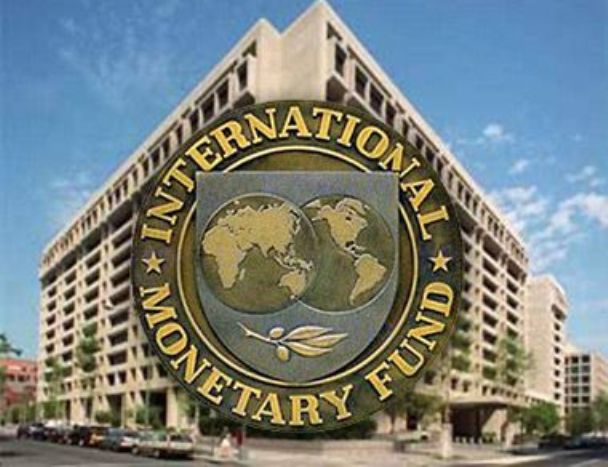
Finance Minister of MF member countries and their Central Bank Governors on Saturday concluded the virtual meeting of the Group of 20 [20}. Chaired by Saudi Arabia
In a statement signed by the Managing Director of the International Monetary Fund, Ms. Kristalina Georgieva, due to the continuing impact of the COVID-19 pandemic, the global economy faces a deep recession in 2020, with partial and uneven recovery expected in 2021.
“As we enter the next phase of the crisis, further policy action will be required, as well as increased international cooperation. The G20 Action Plan is key to this effort.
“To support countries in fighting the crisis and to prevent long-lasting scarring of the global economy—particularly waves of bankruptcies, risks to financial stability, high unemployment, and increasing inequality—I emphasized the following:
“First, the public health response remains the main priority to protect people, jobs, and economic activity. Across the world, countries have implemented exceptional measures to support individuals and workers. These lifelines should be maintained as needed and, in some cases, expanded.
“Second, supportive fiscal and monetary policies will need to continue until we can secure a safe and durable exit from the crisis. Premature withdrawal of this support could derail the recovery and incur larger costs.
“Third, policies need to prepare for and support transformational change, as some sectors may permanently shrink, while others—such as digital services—will expand. Adapting to change in an inclusive manner will require adequate social protection, and training and job search assistance to workers.
“Fourth, we need to unite to help the poorest and most vulnerable economies, especially those struggling with high debt or dependent on hard-hit sectors. The G20’s Debt Service Suspension Initiative (DSSI) has been commendable and I hope that consideration will be given to extending it.
“In addition, to make it even more effective, greater private sector participation, and greater debt transparency, should be strongly promoted. Beyond the DSSI, there is a need to fill gaps in the international debt architecture and think about more comprehensive debt relief for many countries. We stand ready to support these efforts.


-
 Latest6 days ago
Israel marks 3 years since October 7 Hamas attack amid Gaza strikes, election debate
-
 Energy5 days ago
Fuel Battle: Dangote, marketers and government clash over petrol imports
-
 Energy7 days ago
Petrol, diesel prices rise 86% in 2026 as costs hit fresh highs
-
 Energy1 week ago
Has Iran lost control of the Strait of Hormuz? Oil flows rebound as war disruptions persist
-

 Football6 days ago
Nigeria’s World Cup exit under spotlight as FIFA’s DR Congo files emerge
-
 Latest6 days ago
US Court set to rule on release of FBI, DEA records on Tinubu
-
 Business6 days ago
Nigerian investors at a crossroads as fixed-income yields slide
-

 Business1 week ago
LoveWorld Trade and Investment Forum to Convene Business Leaders in Accra