
Business
Expert blames weak market performance on haemorrhaging macro-economic indicators

- Advocates early passage, implementation of 2017 budget
By Chioma Obinagwam
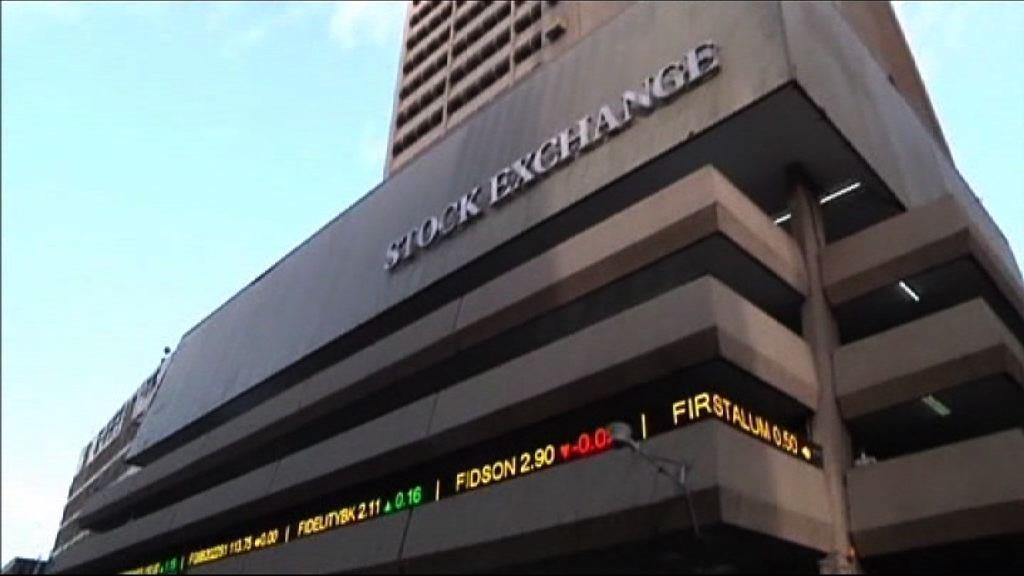
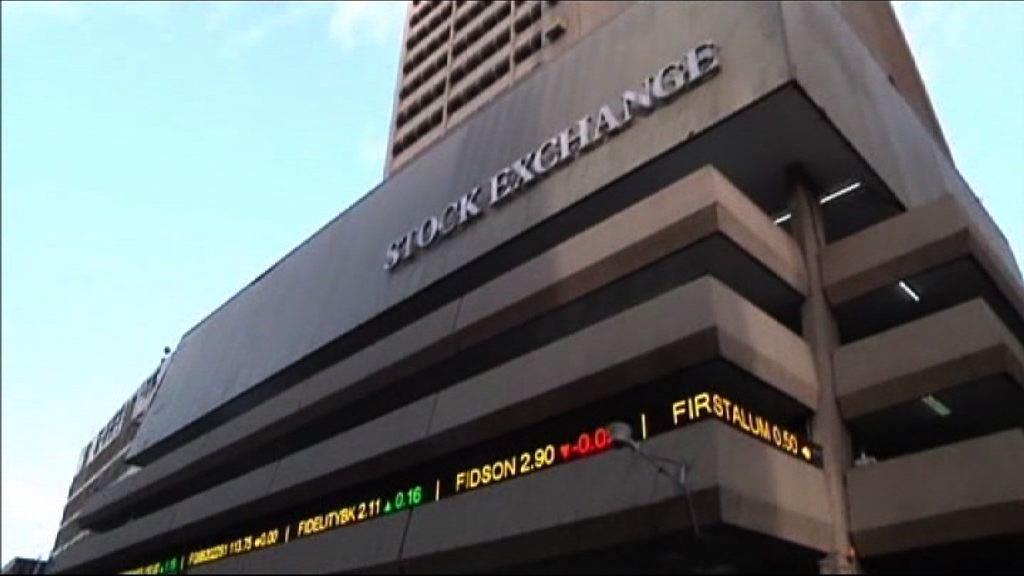
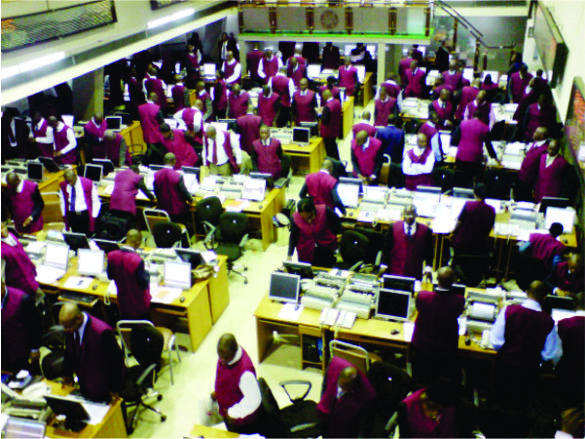
The sharp decline in key measurement indicators of the Nigerian Stock Exchange(NSE) – Market Capitalisation and NSE All-Share index, where investors lost a whooping N283 billion, while the index shed 838.38 basis points in the month of January alone, have been blamed on Nigeria’s haemorrhaging macro-economic indicators.
Data mined from the Daily Official lists of the NSE showed that the Market Capitalisation and the All-Share index sustained a downward trend from the N9.256 trillion it opened the year in 2017 down to the N8.973 trillion it achieved on the last trading day of the month of January as well as the index which stooped to 26,036.24 basis points from 26,874.62 basis points it opened for trading in 2017.
Liquidity squeeze, scarce Forex, unstable monetary policy among other macro-economic indicators have been attributed to the gloomy performance.
Reacting to the trend, the Chief Executive Officer(CEO) of Enterprise Stockbrokers Plc, Rotimi Fakayejo said: “We didn’t expect that the market would have gone about 3 per cent negative. With the monetary policy which is unstable, liquidity squeeze, epileptic power supply, has made the operating environment very tough, hence, most listed companies are unable to pay dividends.”
Expectedly, these factors are not without consequences, forcing Foreign Portfolio Investors(FPIs) to abstain from the equities market.
Pension Funds Administrators(PFAs) have also refused to invest their investible funds in the market due to lack of depth and liquidity whereas the remaining percentage of investors have jilted the equities market for the fixed income market, which offers better returns.
“The few investors have moved their investments from the equities market where the yield on equities may not be upto 5 per cent to the fixed income investment that promises as much as 70 per cent yield on Treasury Bills and as much as 80 per cent on government bonds,” he explained.
Fakayejo is, however, optimistic that an early passage of the 2017 budget and about 80 per cent early implementation of the Bill would revise the trend.


-
 Latest5 days ago
Israel marks 3 years since October 7 Hamas attack amid Gaza strikes, election debate
-

 Energy5 days ago
Fuel Battle: Dangote, marketers and government clash over petrol imports
-

 Energy6 days ago
Petrol, diesel prices rise 86% in 2026 as costs hit fresh highs
-

 Energy7 days ago
Has Iran lost control of the Strait of Hormuz? Oil flows rebound as war disruptions persist
-

 Football6 days ago
Nigeria’s World Cup exit under spotlight as FIFA’s DR Congo files emerge
-

 Latest6 days ago
US Court set to rule on release of FBI, DEA records on Tinubu
-
 Business6 days ago
Nigerian investors at a crossroads as fixed-income yields slide
-

 Business7 days ago
LoveWorld Trade and Investment Forum to Convene Business Leaders in Accra