
Business
FG, oil producers strike deal on supply of crude oil to local refineries

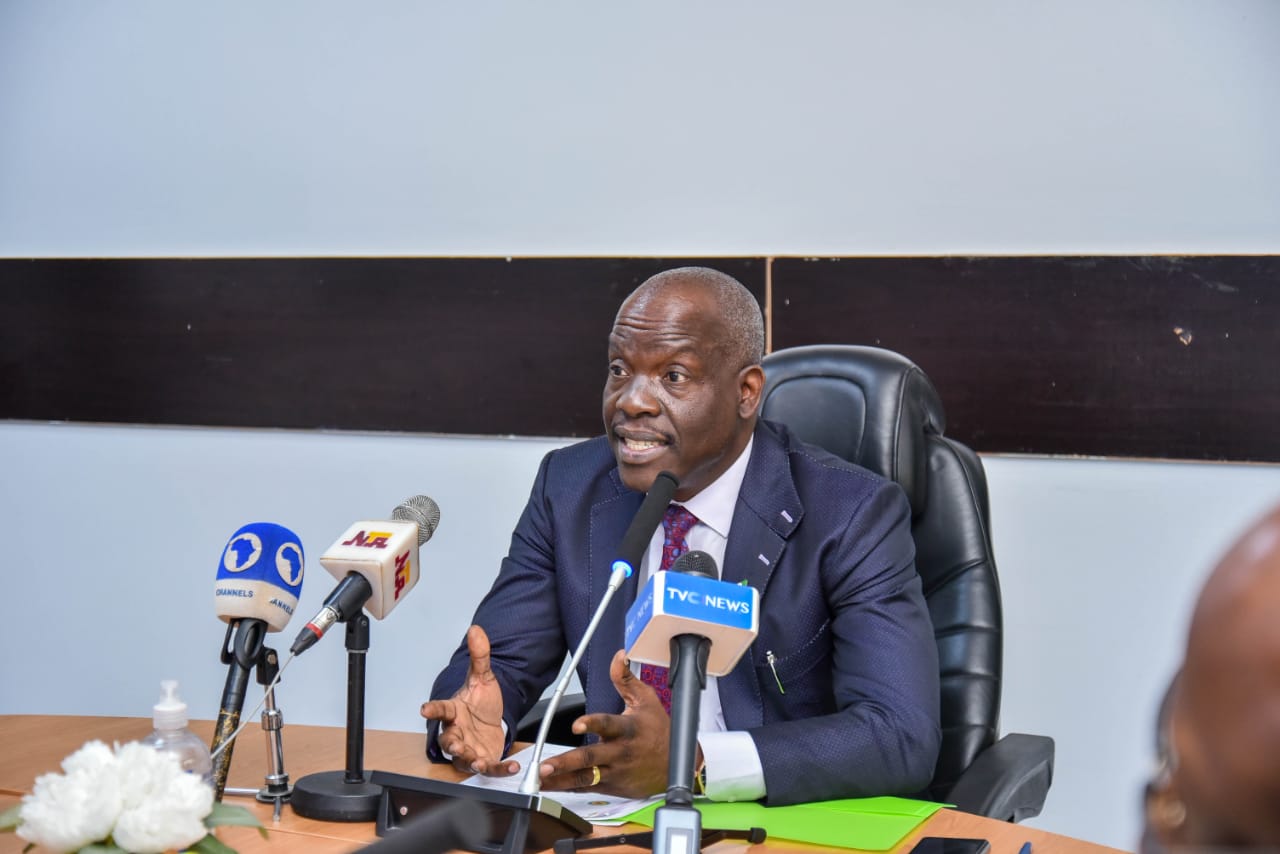
In a significant move to enhance Nigeria’s energy independence and refining capacity, the Federal Government has successfully negotiated an agreement with major oil producers to supply crude oil to local refineries.
This breakthrough is a pivotal step towards revitalizing the nation’s refining sector and reducing its reliance on imported petroleum products.
Despite being a major oil producer, Nigeria has long struggled with a paradoxical dependency on imported refined products due to underperforming domestic refineries. This dependency not only strains foreign exchange reserves but also undermines energy security and local economic growth.
Recognizing these challenges, the government has prioritized initiatives to revamp the refining sector and boost domestic production capacity.
The Nigerian Upstream Petroleum Regulatory Commission (NUPRC) emphasized its commitment to preventing “crude supply profiteering” while ensuring that oil production remains profitable.
To ensure transparency, NUPRC Chief Executive Gbenga Komolafe requested monthly cargo price quotes on crude oil supply and delivery from both producers and refiners. “We will never allow price strangulation to disincentivize our domestic refining capacity optimization,” he said.
READ ALSO: NNPC declares state of emergency on crude oil production
Industry experts believe this agreement is a pivotal stride towards achieving energy self-sufficiency and revitalizing Nigeria’s refining sector. By prioritizing domestic refining capacity and reducing dependency on imported fuels, this initiative lays a foundation for sustainable economic growth and enhanced energy security.
Earlier this year, the NUPRC directed local and international oil companies to prioritize supplying crude oil to local refineries. The regulator set a target of 483,000 barrels per day for local refineries, with the Dangote refinery expected to receive 325,000 barrels daily.
Additional refineries, including the Warri and Port Harcourt refineries, are slated to receive 75,000 and 54,000 barrels of crude oil per day, respectively. Smaller refineries such as Waltersmith, OPAC, and Niger Delta Petroleum Refinery are set to receive 10,000 barrels per day or less.
Devakumar Edwin, Vice President of Oil and Gas at Dangote Industries Limited (DIL), recently accused International Oil Companies (IOCs) in Nigeria of deliberately attempting to undermine the Dangote Oil Refinery and Petrochemicals.
Edwin asserted that the IOCs are intentionally obstructing the refinery’s efforts to purchase local crude by inflating premium prices above market rates, forcing the refinery to import crude from distant countries like the United States, resulting in significantly higher costs.
This agreement marks a significant step towards resolving these issues and achieving a more self-reliant and robust refining industry in Nigeria.


-

 Football6 days ago
Saka: England still carry World Cup scar
-

 Latest3 days ago
Pastor Chris Oyakhilome announces mother’s passing at 88 [VIDEO]
-

 Latest4 days ago
Arsenal eye €70-80m move for Real Madrid star
-

 Business1 week ago
CBN reduces MPR by 350bps to 23% in major monetary policy shift
-

 Crime4 days ago
Police arrest suspect, launch manhunt for 2 others over Delta Education Director’s death
-

 Latest3 days ago
How adulterated palm oil, coloured pepper are putting consumers at risk
-

 Crime3 days ago
Deaths in NSCDC Custody: Can Nigeria guarantee the safety of detainees?
-

 Latest4 days ago
Obi left $155m in Anambra, Otti insists amid debt controversy