
Energy
Minister says Nigeria produces 2.1m barrels of oil per day


Minister of State for Petroleum, Dr Ibe kachikwu, said the average national oil production stood at 2.1 million barrels per day as at July.
This is contained in a statement signed by Ohi Alegbe, Group General Manager, Group Public Affairs Division, NNPC, on Wednesday in Abuja.
He said the Nigerian Petroleum Development Company (NPDC) equity production was 99,000 barrels per day.
He added that the declining Joint Venture reserves were due to inadequate and low investment in the oil assets.
The minister noted that issue of funding which had been identified as a major challenge to the sector would be addressed with adequate collaboration with the private and international investors.
Kacikwu said the average gas to power generation was about 3,000 megawatts and domestic gas supply of one billion standard cubic feet (scf) with the contribution of 600 million standard cubic feet from NPDC.
On the current state of the refineries, he said that two of the refineries might be re-streamed before the end of December.
“Efforts are on to engage private investors to build new refineries within the old ones to enable the refineries share power, pipelines and other resources,” he said.
He added that the new agenda for the Oil and Gas Industry would be centered on having the right people, doing the right things, at the right time.
This, he said, would be for the right purpose to yield the right results.
Kachikwu said the petroleum sector, under his watch, would ensure that the Nigeria Content policy would transform the Oil and Gas industry into the economic engine for job creation and national growth.
He said he was obliged to cancel the Offshore Processing Agreements (OPAs), crude-for-products-exchange arrangement (popularly known swap) and other unprofitable product and crude arrangements, all in a bid to avoid rent seekers.
He said the cancellation would help to add value to the Nigerian hydrocarbon resources.
On the downstream sector, the minister advocated for the introduction of a private sector model that would reinvigorate the efficient supply and distribution of petroleum products, especially in the area of pipeline assets.
“The menace of pipeline vandalism has led to huge losses of crude and petroleum products; 27,967 incidents of pipeline vandalism were recorded in the last few years.” he said .
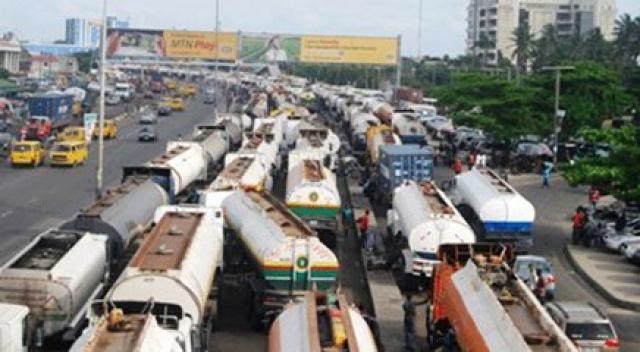
He noted that unutilised pipelines and poor pipeline integrity also led to high cost of trucking and impact on the road




-

 Latest6 days ago
Full List: Meet the 2026 Nobel Prize winners across six categories
-

 Football6 days ago
Premier League Matchweek 7: Five Fixtures That Could Shape the Weekend
-
 Business4 days ago
Dangote Refinery IPO: 70% Subscription claim meets fourfold demand assertion as investors seek clarity
-

 Latest5 days ago
Umahi defends Lagos-Calabar highway route changes amid public outcry
-
Business5 days ago
Dangote Refinery IPO Extension: Was the 70% subscription report overhyped?
-

 Latest3 days ago
UCTH faces morgue crisis as 50 unclaimed corpses await mass burial
-

 Featured5 days ago
El-Rufai, ADC governorship candidate’s court appearance puts Kaduna opposition politics in focus
-

 Business3 days ago
BREAKING: Nigeria’s Inflation Rate Drops to 14.63% in September