


Connect with us

Featured

Oyo School Rescue: A triumph of intelligence or a complex political play?

Published

on

Oyo School Rescue: A triumph of intelligence or a complex political play?

The successful rescue of 44 school pupils and teachers abducted from Oriire Local Government Area of Oyo State has brought relief to families after 56 days in captivity, but the operation has also sparked political controversy, online speculation and renewed debate over the dangers of hostage rescue operations and Nigeria’s broader security challenges.

The victims were abducted on May 15, 2026, when armed men invaded three schools in the Ahoro-Esiele and Yawota communities, kidnapping 39 pupils and seven teachers.

The 56-day ordeal claimed the life of one of the hostages, mathematics teacher Michael Oyedokun, who was reportedly killed by the kidnappers while in captivity.

The remaining 44 victims regained their freedom on July 10 following what security agencies described as a joint military and intelligence-led rescue operation. They were subsequently taken for medical examinations and psychological counselling.

The operation, however, came at a heavy price. A senior Nigerian Army officer was reportedly killed while leading the rescue mission that secured the victims’ freedom. Military authorities have yet to disclose the exact circumstances surrounding the officer’s death.

During the victims’ captivity, a video of one of the school principals, Mrs. Rachael Alamu, surfaced online in which she appealed to the public to disregard reports that the abductors were making religious demands.

Although the successful rescue was welcomed across the country, it quickly became the centre of political controversy.

Speaking at a political gathering in Bauchi shortly before the rescue was announced, Oyo State Governor Seyi Makinde suggested that the kidnapping may have been politically motivated, noting that it occurred shortly after he declared his intention to contest the 2027 presidential election.

“For seven years, we didn’t witness anything like this in Oyo State. I declared to run for the presidency of Nigeria at four o’clock, and by 9 a.m. the following morning, the children were abducted,” Makinde said.

His remarks have generated mixed reactions. While some political commentators questioned the timing of the abduction, others dismissed the suggestion, insisting there is no evidence linking the incident to partisan politics.

Supporters of the security agencies maintain that the rescue was the outcome of weeks of intelligence gathering and coordinated military planning, adding that the death of a senior army officer demonstrates the enormous risks security personnel faced in securing the release of the captives.

Beyond politics, the rescue has generated intense debate on social media.

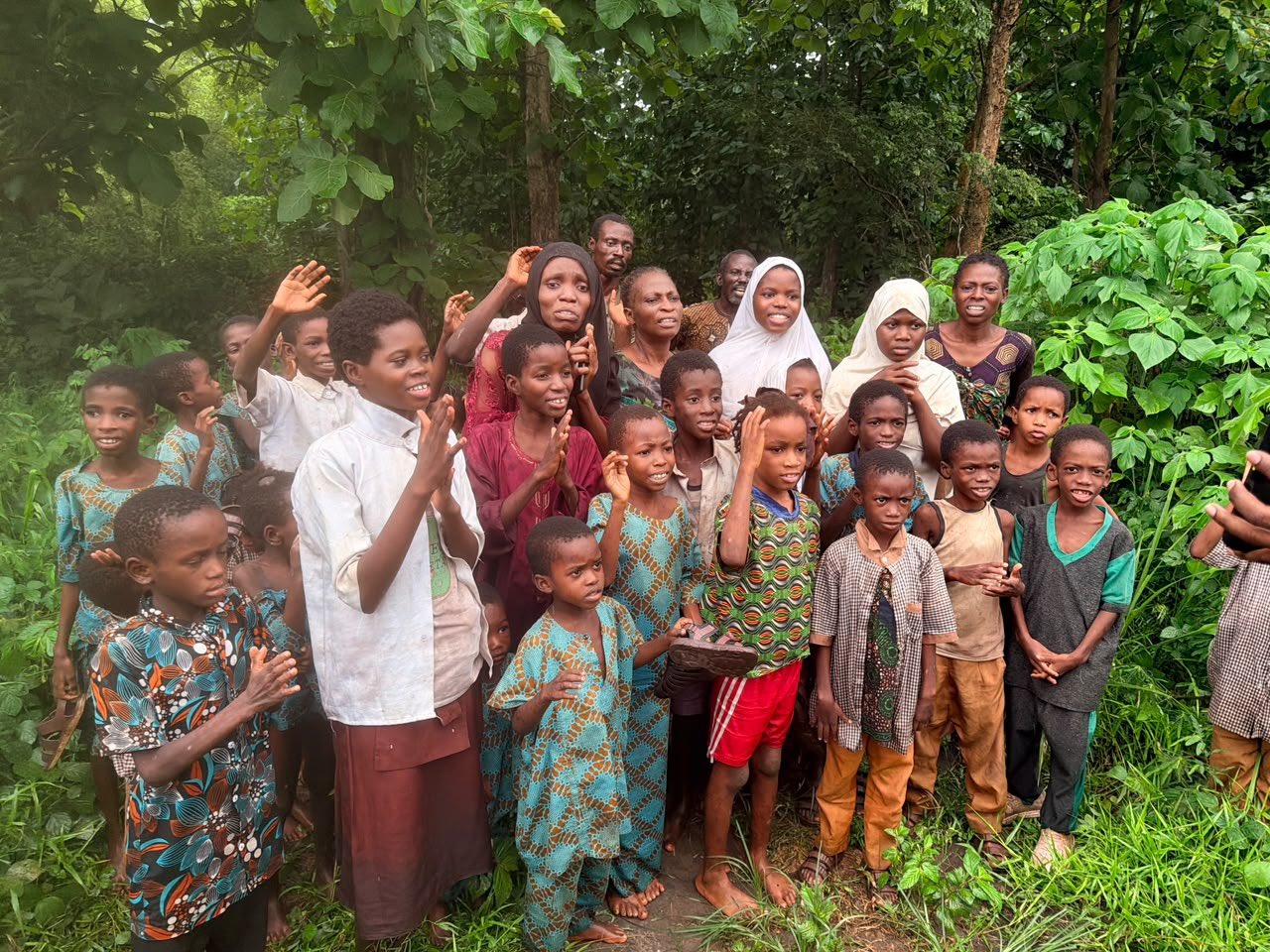
Many users questioned the physical appearance of the rescued pupils and teachers, observing that they appeared relatively healthy despite spending nearly two months in captivity.

The debate intensified after several users compared footage from the Oyo rescue with videos released following the rescue of abducted victims in Ekiti State. In the Ekiti footage, many of the rescued victims appeared visibly weak and were being supported by security personnel as they walked. By contrast, the Oyo pupils and teachers were seen walking unaided, chatting among themselves and interacting freely shortly after their rescue.

The contrasting scenes prompted further questions online about the conditions under which the two groups of victims were held.

However, security analysts cautioned against drawing conclusions based solely on post-rescue videos. They explained that the physical condition of rescued hostages varies widely depending on factors such as the duration of captivity, access to food and water, medical care, the treatment received from abductors, terrain, and the circumstances surrounding each rescue operation.

Analysts also noted that videos released after rescue missions typically capture only a few moments and may not accurately reflect the victims’ overall physical or psychological condition. They stressed that official medical evaluations and military operational reports provide a more reliable assessment of such operations.

The successful rescue has also reignited wider debate over Nigeria’s security challenges, with some observers asking why similar intelligence-led operations have not consistently secured the release of hundreds of kidnapping victims still being held across parts of northern Nigeria.

Security experts argue that each rescue operation presents unique operational challenges, including differences in geography, intelligence availability, logistics, and the capabilities of the armed groups involved, making direct comparisons difficult.

As the rescued pupils and teachers begin medical treatment and trauma counselling in Ibadan, attention is gradually shifting from the successful operation itself to broader questions about school security, intelligence gathering and Nigeria’s ability to prevent future mass abductions.

Military authorities are yet to release a detailed account of the rescue operation, including the circumstances surrounding the death of the senior army officer, while investigations into the kidnapping and those responsible continue.

Continue Reading
Advertisement
Click to comment

Leave a Reply

Your email address will not be published.

Trending