
Agribusiness
Poultry farmer blames high cost of feeds on multiple taxation

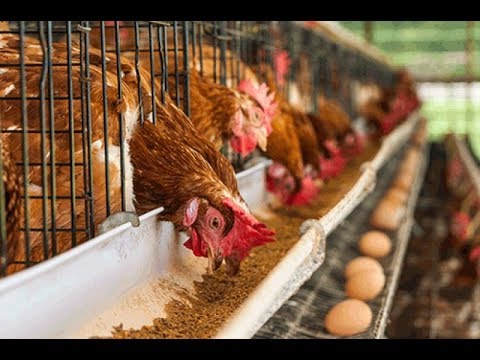
A poultry farmer, Mr Joel Oduware, has blamed the continuous increase in prices of poultry feeds components on multiplicity of taxes.
Oduware, the Managing Director, Oduware Integrated Poultry Farms and Processing Limited, Alimosho, Lagos, told the Newsmen on Thursday.
He said the hike could be attributed mainly to the multiple taxes and levies on the feeds’ components during transportation from one part of the country to another.
“We are still faced with the problem of maize and soya availability to the poultry sector because of the shortage in production, crop farmers cannot meet the demand now.
“A major problem rocking the poultry sector and resulting in high cost of bird feed is the multiple of taxes and levies in the movement of maize and soya from the North.
“The roadblocks and tolls mounted on the road from the North to the South, from local government to state governments, and various security agencies amounts to increasing poultry feeds.
“This multiple taxes and levies affects negatively the cost of food across the country and also add to the food inflation we are currently witnessing as a country,” the farmer stated.
Oduware reiterated the need for the government to address the issue of multiple taxes and levies on food production and distribution in order to forestall food inflation in the country.
“The Federal Produce Board should step up to its responsibilities and address this issue of tax multiplicity once and for all.
“We have to remove all multiple taxes on food and harmonise it to reduce food inflation and ensure food security in the country.
“Vice-President Yemi Osibanjo addressed the issue of multiplicity of food taxes when he set up a task force on food security when he acted as President,” Oduware said.
The farmer also blamed insecurity, climate change, flooding, inconsistent rainfall patterns and other natural causes for the shortfall in maize and soya production.
“This shortfall of maize and soya in the poultry sector is linked to the challenges faced by crop farmers along the production belt.
“The issue of insecurity and some natural causes of climate change, global warming, flooding and inconsistent rainfall patterns have also affected the cultivation of maize and soya.
“Another reason for the shortage is low yield of corn and maize because of soil lynching. Soil lynching occurs when the soil is over-cultivated, hence resulting in low crop yields,” he said.
Continue Reading


-

 Latest3 days ago
US Immigration fees rise from October 16 as USCIS announces new charges
-

 Football6 days ago
How David Beckham made $51.1m from 2026 World Cup, surpassing winners’ prize
-

 Comments and Issues1 week ago
Fani-Kayode on Atiku: Separating claims from the record
-

 Health6 days ago
COVID-19 Hospital care under scrutiny as US Senate hears patient, family testimonies
-

 Business6 days ago
OpenAI shelves GPT-6.1 astra release over safety concerns
-

 Business2 days ago
Nigeria’s $55bn reserves raise fresh questions over naira value
-

 Latest6 days ago
ADC’s 2027 Strategy: Who are the key players and what are their roles?
-

 Latest6 days ago
El-Rufai continued detention revives debate over opposition, detention, political power