
Comments and Issues
Tinubu’s Economic Overhaul: Navigating bitter remedies for Nigeria’s crisis
In his first 15 months as president, Bola Tinubu has implemented sweeping economic reforms, including the removal of a substantial fuel subsidy and a drastic depreciation of the naira. While these measures are aimed at addressing Nigeria’s long-term economic decline, they have plunged millions into deeper hardship. Critics argue that without a clear and inclusive path forward, Tinubu’s “shock therapy” may leave citizens with a lasting sense of discontent.

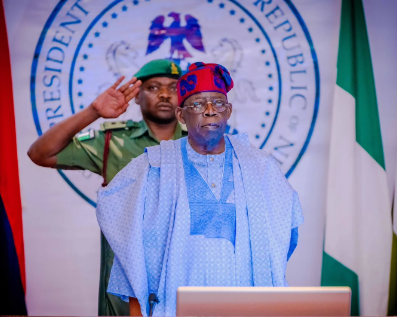
In the nearly 15 months since Bola Tinubu took office as Nigeria’s president, his administration has imposed significant economic changes that many citizens have found difficult to bear.
Among the most contentious measures was the removal of a substantial fuel subsidy, one of the few benefits that the population received from a government often criticized for inefficiency and corruption.
Additionally, the naira has been allowed to depreciate sharply, contributing to a surge in imported inflation and triggering the worst cost of living crisis in a generation.
These drastic actions have plunged tens of millions of already impoverished Nigerians into deeper hardship.
However, proponents argue that these steps were necessary to address the long-standing economic decline the country has faced.
The fuel subsidy, which consumed nearly a third of the federal budget, was not only financially burdensome but also distorted the economy, incentivizing behaviors like rent-seeking, smuggling, and corruption.
Furthermore, the previous exchange rate regime, which artificially inflated the naira’s value, effectively destroyed all export industries except oil, leading to a reliance on black market transactions for access to hard currency.
As Nigeria grapples with a stagnant economy, where per capita growth has not occurred in a decade and kidnapping has become a lucrative industry, a transition to more orthodox economic policies is vital.
However, the current approach, often dubbed “Tinubunomics,” appears disjointed and may struggle to produce the desired outcomes without crucial adjustments.
ALSO READ : House of Representatives advances bill to arm FRSC officers
For Tinubu’s government to regain the trust of the Nigerian people, it must present a clear and inclusive path forward.
This requires sacrifices from the political elite, who should forgo extravagant pay raises and lavish perks.
The situation in Kenya, where civil unrest prompted a government retreat from unpopular tax hikes, serves as a cautionary tale about the consequences of perceived injustice.
To alleviate immediate suffering, some of the savings from the fuel subsidy should be redirected to support the most vulnerable populations.
With hunger levels rising and millions of children skipping meals and school, direct cash payments to citizens’ mobile phones could provide a more effective means of support than traditional handouts.
Currently, the government lacks the capacity and integrity to implement such schemes effectively.
Tinubu’s cabinet, while diverse, contains many members whose positions stem from political patronage rather than expertise. Harnessing available technocratic talent is essential to ensure competent governance.
Addressing corruption is also imperative.
ALSO READ : Troops destroy 65 illegal refining sites in major operation
Tinubu’s own wealth and the recent suspension of his minister for poverty alleviation over alleged fund misappropriation complicate the situation.
Additionally, systemic oil theft is depriving the nation of significant revenue.
Tinubu must use his political acumen to combat these issues.
Critics may argue that Nigeria’s weak state necessitates a reduction in governmental influence.
With the country collecting taxes amounting to just 10 percent of its GDP—among the lowest rates globally—it’s evident that trust between the government and citizens is lacking.
To revive the economy, the state must act as an enabler, providing essential services such as power, infrastructure, security, and healthcare, while also supporting the most disadvantaged.
Without a cohesive and articulated plan, Tinubu’s tough measures may not resolve Nigeria’s economic woes; they could instead leave citizens with a lingering sense of discontent.
CREDITS : The Financial Times’ Analysis on Nigeria











-

 Latest3 days ago
Full List: Meet the 2026 Nobel Prize winners across six categories
-
 Featured1 week ago
103 Million Voters: What does INEC’s new register say about Nigeria’s population?
-

 Football3 days ago
Premier League Matchweek 7: Five Fixtures That Could Shape the Weekend
-

 Business1 week ago
The Ministry of Commerce of Loveworld gets a $1 million boost for new investment fund at LTIF 2026 to promote Trade in Ghana
-

 Features1 week ago
Edo’s 2.5 million vote promise: Can the numbers match the politics?
-

 Latest2 days ago
Umahi defends Lagos-Calabar highway route changes amid public outcry
-

 Business2 days ago
Dangote Refinery IPO Extension: Was the 70% subscription report overhyped?
-

 Latest1 week ago
Nigeria to Ghana: Inside police hunt for Anambra kidnap suspect