
News
Why Buhari’s rejection of Electoral Act Amendment is not surprising – CNPP

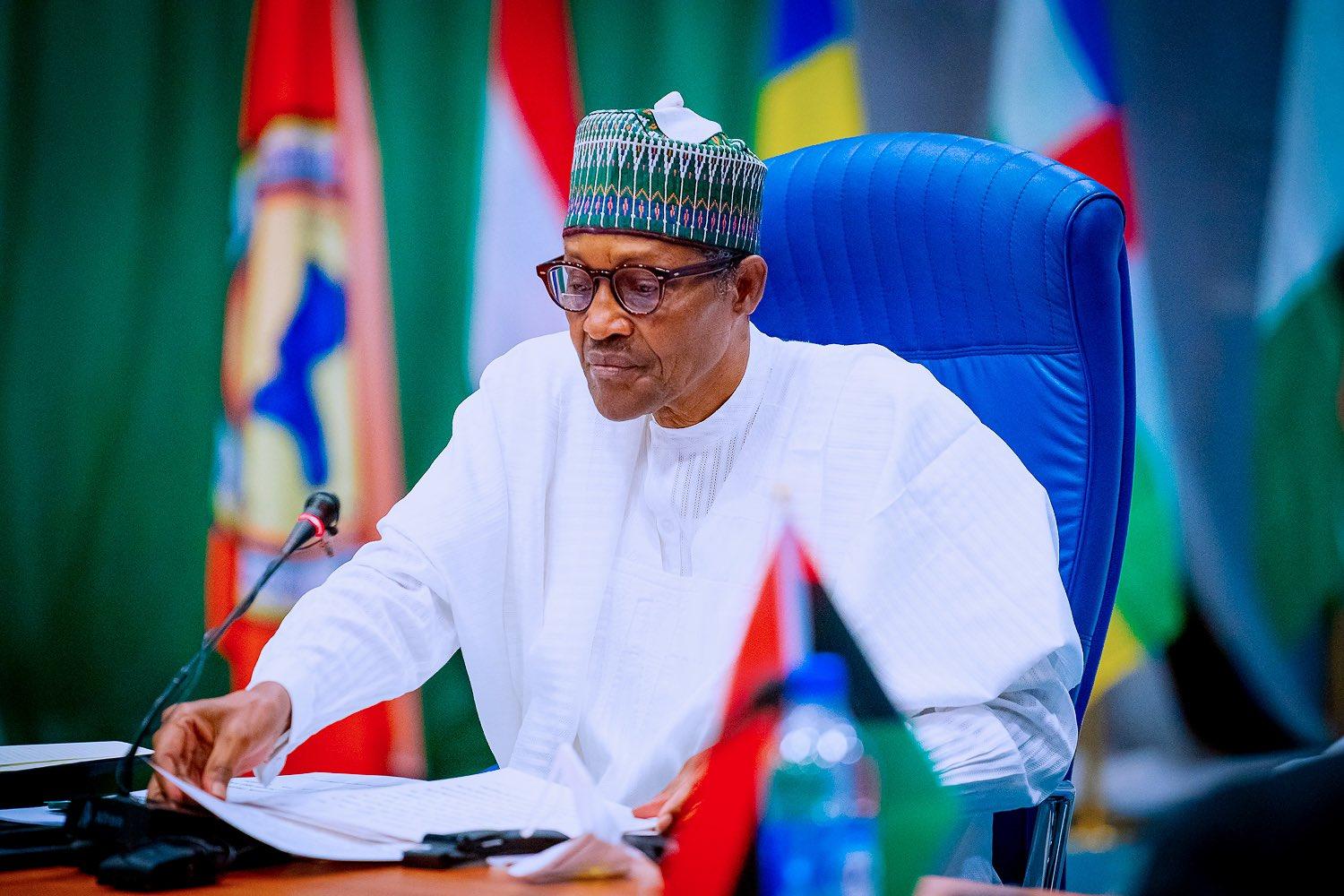
The Conference of Nigeria Political Parties (CNPP) has described as “not surprising” the rejection of the amended Electoral Act 2010 by President Muhammadu Buhari.
The CNPP in a statement by the Secretary General, Chief Willy Ezugwu, chided President Buhari for withholding assent to the Electoral Act Amendment Bill and returning the Bill to the National Assembly. The Conference stated that “what would have been shocking is Mr. President assenting the bill.”
The CNPP highlighted: “Nigerians should recall that President Buhari had excuses for refusing to sign the Electoral Act Amendment three times during the life of the 8th National Assembly led by Dr. Bukola Saraki.
“Even when the National Assembly removed all the clauses, Mr. President stood against following his second rejection of the amendment to the Act, President Buhari still rejected the Bill, claiming that the 2019 election was too close for him to sign the Bill into law.
“So, it was not surprising that the President refused to sign the latest amendment to the Electoral law. It follows his tradition.
“First, it is obvious that President Buhari and his ruling All Progressives Congress (APC) are not interested in free and fair elections in Nigeria. They vehemently stood against electronic transmission of election results.
“And here is a President and a political party that are beneficiaries of reformed electoral process but fail all the time to deepen the same democratic process that brought them to power.
“Unfortunately, we have a “Yes Sir” National Assembly that have no balls to veto the Bill and meet the expectations of Nigeria.
“The President’s reasons for not assenting the bill are baseless compared to the gains of a free and fair elections to the country and her people.
“There is the information flying around that the Attorney General and Minister of Justice, Abubakar Malami, has a governorship ambition. So, being someone in government, and protecting the status quo to possibly become a beneficiary of the current biased electoral process, won’t be impossible.
“His reported advice to Mr. President not to assent the Bill is therefore understandable as an interested party and a member of the political party in power.
“The APC itself and their populated national Assembly cannot be taken seriously on issues that bother on deepening electoral process and reforms in the electoral system.
“Their main fears centre on electronic transmission of results and direct primary which would have swept the current leaders in APC out of power in 2023 for failing to deliver on their electoral promises.”


-
 Latest6 days ago
Israel marks 3 years since October 7 Hamas attack amid Gaza strikes, election debate
-

 Energy5 days ago
Fuel Battle: Dangote, marketers and government clash over petrol imports
-

 Energy7 days ago
Petrol, diesel prices rise 86% in 2026 as costs hit fresh highs
-

 Energy1 week ago
Has Iran lost control of the Strait of Hormuz? Oil flows rebound as war disruptions persist
-

 Football6 days ago
Nigeria’s World Cup exit under spotlight as FIFA’s DR Congo files emerge
-

 Latest6 days ago
US Court set to rule on release of FBI, DEA records on Tinubu
-

 Business6 days ago
Nigerian investors at a crossroads as fixed-income yields slide
-

 Business1 week ago
LoveWorld Trade and Investment Forum to Convene Business Leaders in Accra