
Latest
Vaccine policy shake-up: What Trump’s executive order could mean

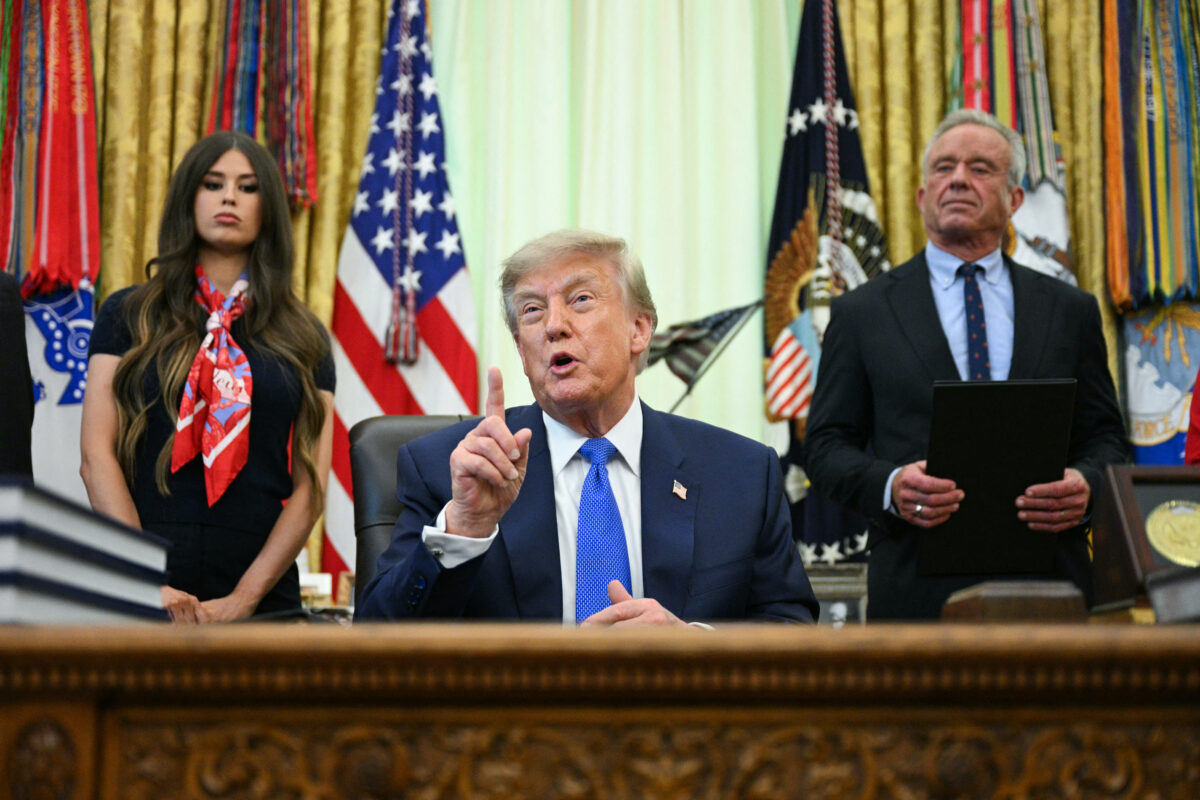
President Donald Trump’s latest executive order on childhood vaccines has reignited debate over medical freedom, parental rights and the limits of federal authority over state vaccination policies.
The order calls for changes to U.S. vaccine policy, including efforts to reduce the number of diseases covered by routine childhood vaccinations and strengthen protections for parental and religious rights.
Supporters welcomed the move. Mary Holland, CEO of Children’s Health Defense, described it as a “significant” step toward greater freedom, while Dr. Jane Orient of the Association of American Physicians and Surgeons said it could encourage debate on vaccine policy.
However, legal experts say the order does not immediately alter the childhood vaccination schedule or state school-entry requirements.
Attorney Rick Jaffe said executive orders do not have the force of law and that mandatory school vaccination policies are primarily determined by individual states. He said the federal government can issue recommendations and influence programmes such as the Vaccines for Children initiative, but cannot simply override state requirements.
The order directs the Department of Health and Human Services to produce plans within 90 days covering vaccine timing, sequencing, risk-benefit assessments and safety monitoring. It also urges states to review their vaccination laws.
Legal challenges could further complicate implementation. The American Academy of Pediatrics and other medical groups previously sued HHS over vaccine policy changes. A federal judge in March blocked some schedule changes and stayed the appointments of several members of the Advisory Committee on Immunization Practices. The administration has appealed the ruling.
READ ALSO: Trump orders major overhaul of US childhood vaccine recommendations
Jaffe said Trump’s new order cannot overturn an existing court injunction, arguing that only a higher court can change the ruling.
The order also instructs the Justice Department to investigate potential violations involving parental rights, religious freedom and vaccination exemptions. Experts, however, said federal authority to compel states to create religious exemptions for schoolchildren remains limited.
Public health policy expert Meryl Nass suggested the administration could use federal funding as leverage, although Jaffe noted that Supreme Court precedent limits the government’s ability to withhold broad Medicaid funding to force states to comply with unrelated federal policies.
Supporters nevertheless believe the order could have a practical effect by changing conversations between parents and doctors and placing greater emphasis on individual vaccine decisions.
The policy is also expected to become a political issue ahead of the 2026 congressional midterm elections, with advocates describing “medical freedom” as an increasingly prominent Republican position.


-
 Latest6 days ago
Israel marks 3 years since October 7 Hamas attack amid Gaza strikes, election debate
-

 Energy6 days ago
Fuel Battle: Dangote, marketers and government clash over petrol imports
-

 Energy1 week ago
Petrol, diesel prices rise 86% in 2026 as costs hit fresh highs
-

 Football1 week ago
Nigeria’s World Cup exit under spotlight as FIFA’s DR Congo files emerge
-

 Energy1 week ago
Has Iran lost control of the Strait of Hormuz? Oil flows rebound as war disruptions persist
-

 Latest1 day ago
Full List: Meet the 2026 Nobel Prize winners across six categories
-

 Latest7 days ago
US Court set to rule on release of FBI, DEA records on Tinubu
-

 Business7 days ago
Nigerian investors at a crossroads as fixed-income yields slide