
News
World moves to break corruption shackles

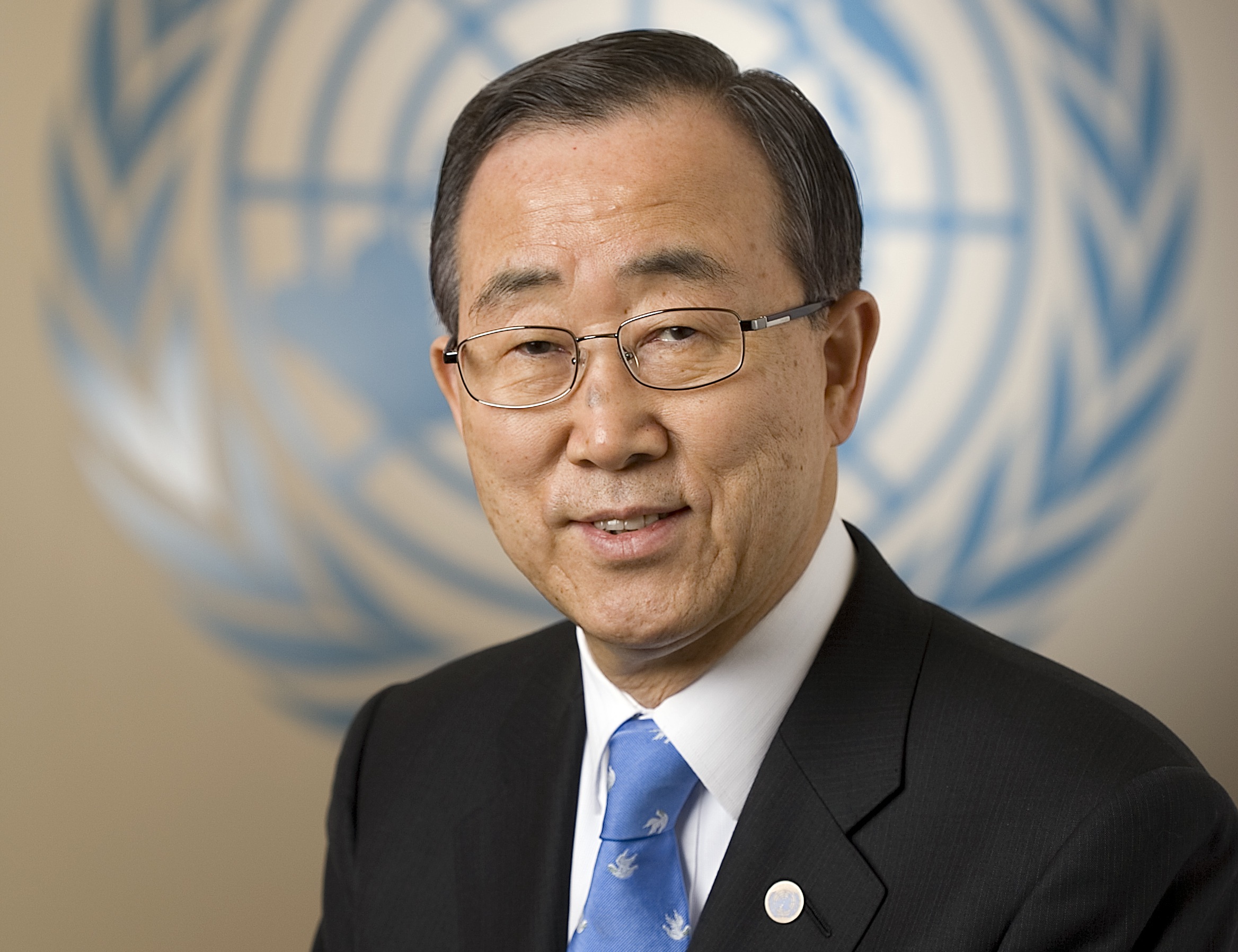
Continuing their global drive against corruption and its backlashes, the United Nations Development Programme and United Nations Office on Drugs and Crime launched the 2015 World Anti-corruption Campaign today, tagging it “Break the Corruption Chain.
This year’s joint campaign focuses on corruption and its negative impact on democracy and the rule of law, human rights violations, distorts markets, erodes quality of life and allows organized crime, terrorism and other threats to human security to flourish.
“The sixth session of the Conference of the States Parties to the UN Convention against Corruption (UNCAC) came together in St. Petersburg to hold a dialogue on global anti-corruption activities,” said UNODC Executive Director Yury Fedotov.
According to the campaigners, fighting corruption is a global concern as the menace is found in both rich and poor countries, and that it hurts poor people more.
“Every year $1 trillion is paid in bribes while an estimated $2.6 trillion are stolen annually through corruption – a sum equivalent to more than 5 per cent of the global GDP3,” the UN bodies noted.
In developing countries, ac¬cording to the UNDP, funds lost to corruption are estimated at 10 times the amount of official development assistance (ODA). And that has led to poverty across the developing nations.
According to UN Secretary-General Ban Ki-Moon, the new 2030 Agenda for Sustainable Development is taking on corruption in all its aspects, and it equally calls for significant reductions in illicit financial flows as well as for the recovery of stolen assets.
The fruit is already coming forth. “Global attitudes towards corruption have changed dramatically,” Ki-Moon said in his December 9 message. “Where once bribery, corruption and illicit financial flows were often considered part of the cost of doing business, today corruption is widely — and rightly — understood as criminal and corrosive.”
Fedotov also said successes have been recorded in the areas of asset recovery, prevention of corruption and bribery, the development of public/private partnerships and the launch of the second cycle of the review mechanism under UNCAC.
Ki-Moon further appealed for united efforts to deliver a clear message that rejects corruption and embraces instead the principles of transparency, accountability and good governance. This, according to him, will benefit communities and countries, helping to usher in a better future for all.









-

 Featured2 days ago
BREAKING NEWS: Shouts of joy rock the world as Pastor Chris opens final Healing Streams edition for 2026
-
 Business5 days ago
Naira faces exchange rate gap as Dollar hits N1,380 on parallel market
-

 Football2 days ago
Man United shortlist Emery, Nagelsmann as potential replacements for Carrick
-

 Business2 days ago
Hoodlums raid JED Benue office, abduct 10 staff over power dispute
-

 Football2 days ago
Aston Villa ready to freeze out Garnacho to avoid £43m Chelsea transfer
-

 Business2 days ago
EV adoption: Roxettes seeks cheaper financing, local manufacturing incentives
-

 Business1 week ago
NCC launches Internet Governance Working Group to tackle AI risks, boost online safety
-
 Latest2 days ago
Akpabio tasks Tompolo-backed movement with spreading Tinubu’s renewed hope message