
Business
Fuel subsidy: Zenith Bank implements salary increment for all staff

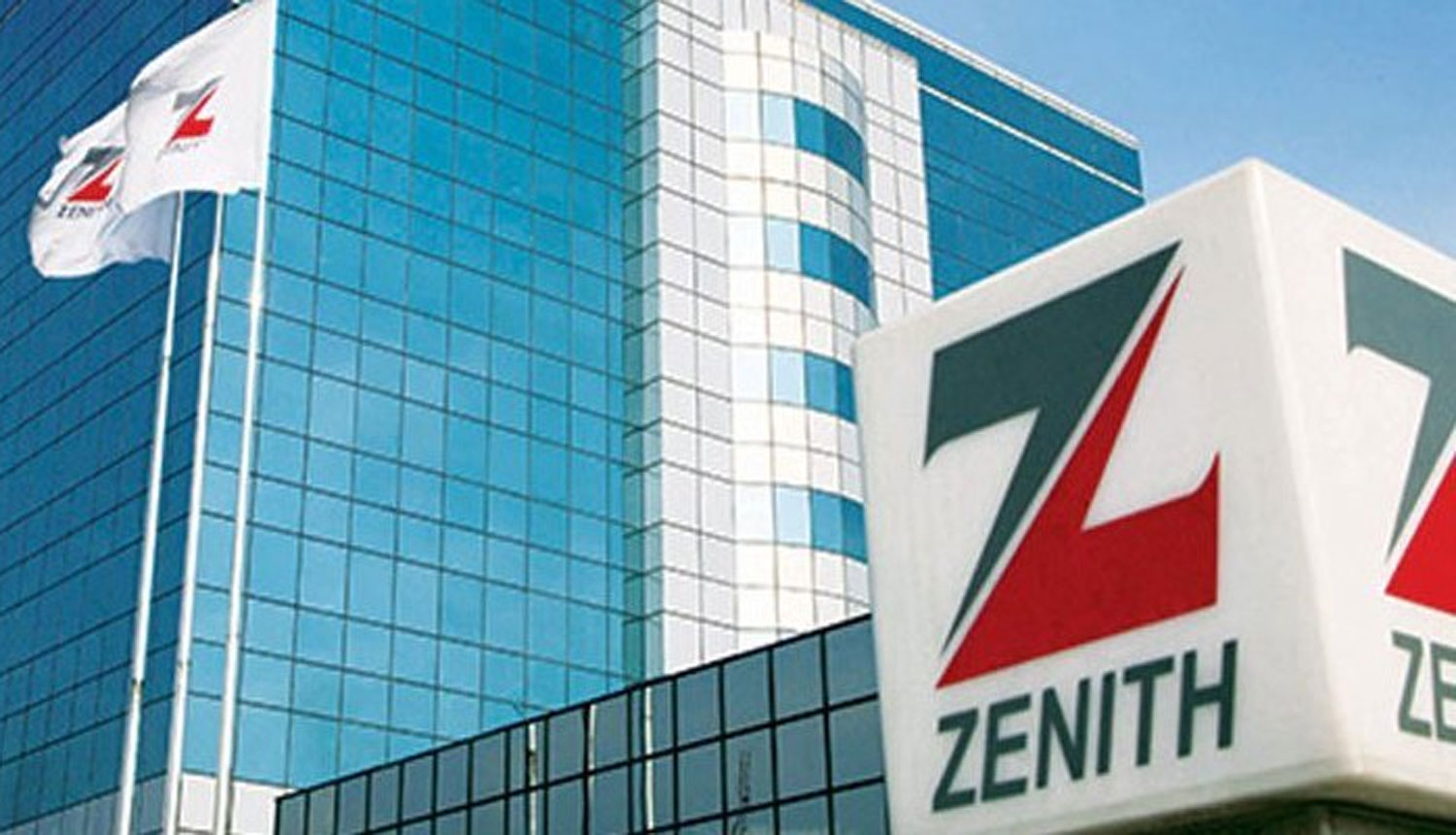
Following prevailing economic challenges brought about by the removal of fuel subsidies, Zenith Bank has implemented a company-wide salary increment for all its staff.
The salary increase is all-encompassing, covering both contract and permanent staff members.
Depending on their respective grade levels, some employees have been fortunate enough to receive substantial raises ranging from 25 to 50%.
The news of the salary increment spread like wildfire through the financial community, as Zenith Bank’s proactive approach to support its employees during tough economic times received praise and commendation.
As of December 2022, Zenith Bank had allocated a significant N86.4 billion for personnel expenses, making the decision to increase salaries even more significant given the financial implications.
The bank has a workforce boasting over 8,000 dedicated employees.
READ ALSO: Zenith Bank’s Mukhtar Adam bags AABLA’s CFO of the year award
The salary increase move is expected to have a positive impact on staff morale and motivation, fostering a sense of appreciation and loyalty among employees.
It showcases Zenith Bank as a leader in prioritizing the well-being of its workforce during times of economic uncertainty.
Market watchers anticipate that this laudable initiative by Zenith Bank may prompt other financial institutions to reevaluate their employee welfare policies and consider measures to provide support and reassurance to their workforce in challenging economic conditions.
The recent removal of fuel subsidies in Nigeria has had a widespread impact on individuals across the country, including employees who now face increased transportation expenses for their daily commute.
In addition, the rising inflation has led to higher fuel prices, causing public transportation providers such as buses, keke napep, and motorcycles to raise their fares accordingly.
READ ALSO: MTN, Dangote, Zenith Bank among Nigeria’s most profitable companies
This situation has significantly affected those who rely on public transportation, particularly workers in the private sector.
With the rising cost of transportation, many employees are now forced to allocate a substantial portion of their salaries solely to cover commuting expenses, leaving little for other essential needs like food and rent.
As Nigerians adapt to these changes, it remains crucial for stakeholders to continue assessing the consequences and explore measures to mitigate the adverse effects of subsidy removal, particularly on employees’ financial stability and overall welfare.
The removal of fuel subsidies represents a significant change in Nigeria’s economic policy, with the aim of addressing fiscal challenges and promoting market-based pricing.














-

 Sports4 days ago
Senegal opens Dakar 2026 Youth Olympic Games, Africa’s first Olympic event
-

 Latest7 days ago
Tinubu endorses Nigeria’s participation in 2026 World Travel Market London
-

 Football6 days ago
U-17 Women’s World Cup: Flamingos Beat Mexico to Reach Quarter-Finals
-

 Business4 days ago
NNPC’s N66-per-litre petrol discount set to end October 31
-

 Latest4 days ago
INEC recognises Pantami for Gombe, keeps Kano NDC candidate off final list
-

 Latest4 days ago
FG Announces N50,000 cash support for vulnerable Nigerians under new relief programme
-

 Latest5 days ago
Netanyahu, Eisenkot face coalition deadlock as Israel struggles to form new government
-

 Latest4 days ago
NDC Chieftain tells Atiku to drop presidential ambition over son’s support for Tinubu