
Energy
FG to sell off 30% interest in NNPC successor companies

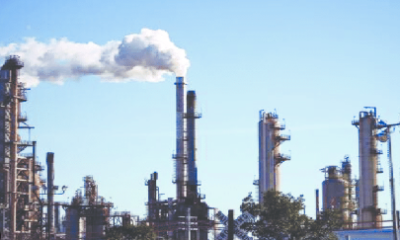
Following the decision of the Federal Government to break the State-owned Nigerian National Petroleum Corporation into two independent commercial entities for efficiency, FG said it is going to sell to the public at least 30% of the shares in one of the emerging entity.
According to the Petroleum Industry Governance and Institutional Framework Bill 2015, the divestment of the shares will be done within six years from the date of the incorporation of the National Oil Company (NOC). At the time of its incorporation, the initial shares of the company would be held by the Ministry of Finance and the Bureau for Public Enterprises on behalf of the government.
Under the draft legislation, the state-owned NNPC will be split into two companies limited by shares, rather than a series of units as envisaged by the stalled Petroleum Industry Bill 2012. The NOC, also known as the National Petroleum Company, is one of the two companies. The other is the Nigerian Petroleum Asset Management Company (NPAM).
Some months ago, President Muhammadu Buhari, through the Minister of State for Petroleum Resources, Dr. Ibe Kachikwu said the federal government has broken up the controversial Petroleum Industry Bill into different versions and is also proposing splitting the NNPC into two companies- National Oil Company that would be run on commercial lines and partly privatised and Nigeria Petroleum Assets Management Company.
According to the draft, the onus would be on the board of the company to make profits and raise its own funding. The NOC would be expected to keep its revenues, deduct costs directly and pay dividends to the government.
The report also stated that to start off, the NOC will receive about $5 billion, or at least the five-year average of the amount of money NNPC had to put into joint venture operations, while it would be partially privatised with the Federal Government divesting a minimum of 30 per cent of its shares in the company within six years of its incorporation.
NPAM, on the other hand, is expected to manage assets where the government is not obligated to provide any upfront funding. “These include oil licences run under production-sharing agreements in which independent oil companies cover operating costs and pay tax and royalties on output,” the report noted.








-
 Sports3 days ago
Senegal opens Dakar 2026 Youth Olympic Games, Africa’s first Olympic event
-
 Latest6 days ago
Tinubu endorses Nigeria’s participation in 2026 World Travel Market London
-

 Football5 days ago
U-17 Women’s World Cup: Flamingos Beat Mexico to Reach Quarter-Finals
-

 News1 week ago
Rugby: Borthwick Faces Key Selection Questions as World Cup Looms
-

 Latest4 days ago
Netanyahu, Eisenkot face coalition deadlock as Israel struggles to form new government
-
 Business3 days ago
NNPC’s N66-per-litre petrol discount set to end October 31
-
 Featured5 days ago
How court ruling reshapes APC’s Imo West Senatorial contest
-

 Crime1 week ago
Passengers feared abducted on Kebbi-Abuja journey as viral video shows armed men threatening captives (VIDEO)