
Business
CBN dissatisfies with DFIs commitment to sectorial development

By Odunewu Segun
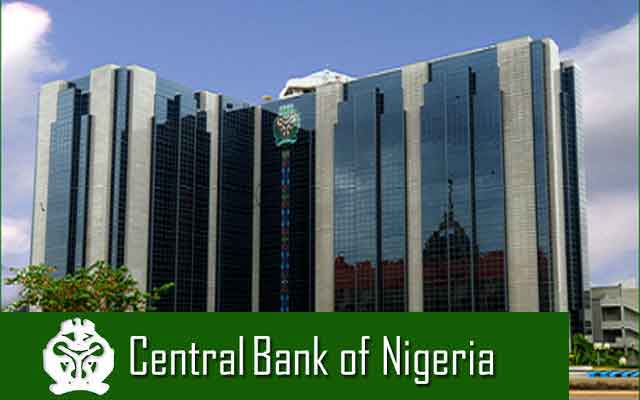
The Central Bank of Nigeria has expressed dissatisfaction that out of a total credit of N14.7 trillion granted to the economy as at June 30,2015, the share of Development Finance Institutions (DFIs) stood at only N760.8 billion (52%) of the entire sum.
Governor of the CBN, Godwin Emefiele who disclosed this on Tuesday at the maiden edition of the bi-annual Development Finance Institutions (DFIs) stakeholders’ forum said DFIs like the Bank of Agriculture, Bank of Industry, Federal Mortgage Bank of Nigeria, Nigeria Export-import Bank and the Infrastructure Bank must increase their commitment to the development of the economy in order to make the needed impact on targeted sectors.
ALSO SEE: Banks, NIBSS pay N400 million as cashback in 2015
Emefiele who was represented by CBN Deputy Governor, Financial System Stability, Joseph Nnanna said there was need for a paradigm shift in the funding model for DFIs which had largely performed below standard over time, if they must live up to their mandate of supporting key sectors of the economy amid the current fiscal challenge occasioned by falling price of oil.
Speaking further, he said the current practice whereby government sources had accounted for major long term funds for DFIs was no longer sustainable. The CBN boss however reiterated the apex bank’s commitment towards making the DFIs more pro-active and better equipped to support the present administration’s economic growth agenda.
ALSO SEE: Naira appreciates by over N60 against dollar in 1 day
Also speaking on the new Regulatory and supervisory Guidelines for Development Finance Institutions in Nigeria which restricted DFIs from incursion into capital market, Emefiele said with time, the DFIs would be capable of accessing the capital market for long term funds to finance critical sectors. Recent on-site examinations by apex bank had continued to reveal weakness and deterioration by DFIs in critical performance indicators, a situation made worse by the lack of effective board oversight”
He said the DFIs must tread carefully to balance and reconcile the contradiction of pursuing the double bottom line of profit and development, adding that the new guidelines would address the challenges which in the past had constrained DFIs ability to effectively deliver on their mandates.











-
 Latest6 days ago
Israel marks 3 years since October 7 Hamas attack amid Gaza strikes, election debate
-

 Energy6 days ago
Fuel Battle: Dangote, marketers and government clash over petrol imports
-

 Energy1 week ago
Petrol, diesel prices rise 86% in 2026 as costs hit fresh highs
-

 Football7 days ago
Nigeria’s World Cup exit under spotlight as FIFA’s DR Congo files emerge
-
 Energy1 week ago
Has Iran lost control of the Strait of Hormuz? Oil flows rebound as war disruptions persist
-

 Latest21 hours ago
Full List: Meet the 2026 Nobel Prize winners across six categories
-

 Latest7 days ago
US Court set to rule on release of FBI, DEA records on Tinubu
-

 Business7 days ago
Nigerian investors at a crossroads as fixed-income yields slide