
Covid-19
COVID vaccine: Six tactics Pfizer using to strong-armed countries

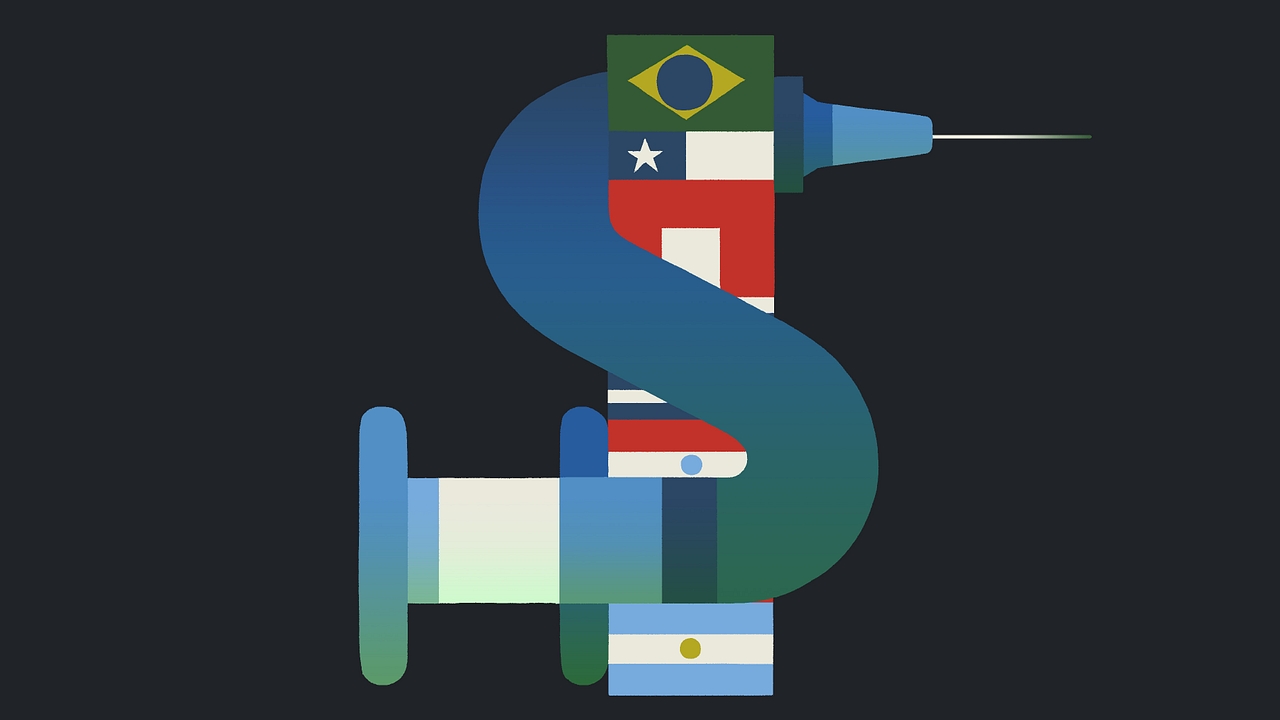
A report by Public Citizen has revealed how Pfizer is using its position as a producer of one of the leading COVID-19 vaccines to “silence governments, throttle supply, shift risk, and maximize profits” through secret contracts with countries around the world.
The report begins by noting February reporting about accusations of Pfizer — an American pharmaceutical giant that developed its mRNA vaccine with the German firm BioNTech — “bullying” Latin American governments during contract negotiations for doses.
Based on those contracts, the report identifies six tactics Pfizer is using to serve the company rather than public health in the midst of a deadly pandemic:
- Pfizer reserves the right to silence governments
The Brazilian government complained earlier this year that the company insisted on “unfair and abusive” terms but ultimately accepted a contract that “waived sovereign immunity; imposed no penalties on Pfizer for late deliveries; agreed to resolve disputes under a secret private arbitration under the laws of New York; and broadly indemnified Pfizer for civil claims.”
READ ALSO: More vaccinated people dying from COVID complications, expert reveals
Brazil also agreed to a nondisclosure provision similar to those found in contracts with the European Commission and the U.S. government.
- Pfizer controls donations
Again using Brazil as an example, the report points out that the South American nation must first get a go-ahead from Pfizer to accept donations or buy its vaccines from others. The country is also barred from “donating, distributing, exporting, or otherwise transporting the vaccine outside Brazil without Pfizer’s permission.”
- Pfizer secured an “IP waiver” for itself
Pfizer CEO Albert Bourla “has emerged as a strident defender of intellectual property in the pandemic,” the report says, noting his opposition to a proposal that members of the World Trade Organization who signed on to the Agreement on Trade-Related Aspects of Intellectual Property Rights (TRIPS) waive IP protections for COVID-19 vaccines and treatments during the crisis.
READ ALSO: Fully vaccinated US security chief, Mayorkas tests positive for COVID
“But, in several contracts, Pfizer seems to recognize the risk posed by intellectual property to vaccine development, manufacturing, and sale,” Public Citizen explains.
“The contracts shift responsibility for any intellectual property infringement that Pfizer might commit to the government purchasers. As a result, under the contract, Pfizer can use anyone’s intellectual property it pleases — largely without consequence.”
- Private arbitrators, not public courts, decide disputes in secret
While the U.K. contract requires that disputes are settled by secret panel of three private arbitrators under the Rules of Arbitration of the International Chamber of Commerce, the report says, “the Albania draft contract and Brazil, Chile, Colombia, Dominican Republic, and Peru agreements require the governments to go further, with contractual disputes subject to ICC arbitration applying New York law.”
- Pfizer can go after state assets
“Pfizer required Brazil, Chile, Colombia, the Dominican Republic, and Peru to waive sovereign immunity,” the report highlights, detailing that the doctrine can sometimes protect states from companies trying to enforce decisions reached by the previously noted secret arbitral panels. Some of the contracts enable the company to “request that courts use state assets as a guarantee that Pfizer will be paid an arbitral award and/or use the assets to compensate Pfizer if the government does not pay,” according to Public Citizen.
- Pfizer calls the shots on key decisions
“What happens if there are vaccine supply shortages? In the Albania draft contract and the Brazil and Colombia agreement, Pfizer will decide adjustments to the delivery schedule based on principles the corporation will decide” the report notes, concluding that “under the vast majority of contracts, Pfizer’s interests come first.”
READ ALSO: COVID: Pfizer, Moderna, others prioritize own profits through monopolies
In response to Public Citizen’s report, Sharon Castillo, a spokesperson for Pfizer, told The Washington Post that confidentiality clauses were “standard in commercial contracts” and “intended to help build trust between the parties, as well as protect the confidential commercial information exchanged during negotiations and included in final contracts.”
Castillo also said that “Pfizer has not interfered and has absolutely no intention of interfering with any country’s diplomatic, military, or culturally significant assets,” adding that “to suggest anything to the contrary is irresponsible and misleading.”


-
 Latest7 days ago
Israel marks 3 years since October 7 Hamas attack amid Gaza strikes, election debate
-

 Energy7 days ago
Fuel Battle: Dangote, marketers and government clash over petrol imports
-

 Energy1 week ago
Petrol, diesel prices rise 86% in 2026 as costs hit fresh highs
-

 Latest2 days ago
Full List: Meet the 2026 Nobel Prize winners across six categories
-

 Football1 week ago
Nigeria’s World Cup exit under spotlight as FIFA’s DR Congo files emerge
-

 Latest1 week ago
US Court set to rule on release of FBI, DEA records on Tinubu
-

 Business1 week ago
Nigerian investors at a crossroads as fixed-income yields slide
-

 Latest1 week ago
Oyo APC crisis deepens as Oluyole reconciliation meeting ends in brawl