
Business
Nigeria to invest N5.4trn subsidy savings in infrastructure, social programs

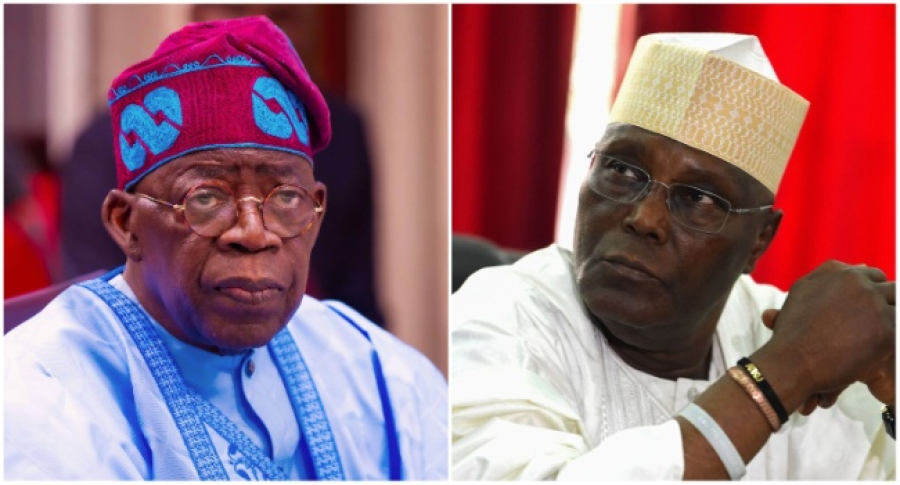
The Nigerian Presidency has disclosed that an estimated N5.4 trillion saved from the 2024 fuel subsidy removal is being channeled into infrastructure and social intervention programs aimed at benefiting all government levels and improving Nigerians’ quality of life.
This was confirmed by the Special Adviser to the President on Information and Strategy, Mr. Bayo Onanuga, in a statement released on Sunday titled, Time for Atiku Abubakar to End His Grand Illusions and Fantasies.
According to Mr. Onanuga, the funds saved from the removal of fuel subsidies are being directed towards essential development projects that align with President Bola Tinubu’s strategy to reinvest revenue into the economy.
These investments are expected to span transportation, healthcare, education, and other infrastructure improvements, positively impacting urban and rural areas.
Mr. Onanuga’s statement also responded to recent criticisms from former Vice President Atiku Abubakar, urging him to acknowledge the administration’s proactive efforts in revenue generation and the strategic allocation of subsidy savings for national development.
READ ALSO: IMF clarifies stance on Nigeria’s fuel subsidy removal amid rising economic challenges
“It is expected of the former Vice President and Presidential Candidate of the People’s Democratic Party, Atiku Abubakar, to commend the Tinubu administration over revenue generation for the Federation,” he said.
A significant focus of President Tinubu’s administration has been on revamping Nigeria’s refining capacity to reduce reliance on fuel imports.
This includes support for modular refineries and the operational enhancement of the Dangote Refinery, which is projected to significantly boost domestic fuel production.
Onanuga highlighted the practical approach of contracting fully refurbished refineries to private managers for operational efficiency, a strategy preferred over selling national assets to entities lacking technical expertise.
“The model of farming the completely rehabilitated refineries to private sector managers at an agreed-upon rate of return to the government, as adopted by Tinubu’s government, is more practical and value-laden,” Onanuga noted, emphasizing the administration’s comprehensive focus on strengthening refinery operations alongside supporting the higher-capacity Dangote Refinery.
The removal of fuel subsidies has also led to gradual fuel price increases, presenting regulatory challenges in managing petrol distribution.
The federal government had projected that subsidies would require N5.4 trillion in 2024, a notable increase from the N3.6 trillion spent in the prior year. This rise underscores the significant funding that subsidies have previously demanded.
In response to market dynamics, the Nigerian National Petroleum Corporation (NNPC) Limited has incrementally raised petrol prices, attributing these changes to market forces.
The Dangote Refinery has been selling petrol at prices ranging from N970 to N990, aligning its pricing strategy with prevailing market conditions.
Mr. Onanuga concluded by encouraging constructive political engagement from critics and stakeholders, emphasizing the administration’s commitment to utilizing subsidy savings for long-term socio-economic benefits.


-

 Latest7 days ago
US Immigration fees rise from October 16 as USCIS announces new charges
-
 Latest2 days ago
Israel marks 3 years since October 7 Hamas attack amid Gaza strikes, election debate
-

 Business6 days ago
Nigeria’s $55bn reserves raise fresh questions over naira value
-
 Health6 days ago
Florida sues Pfizer over deceptive COVID-19 vaccine marketing
-

 Business1 week ago
Tuoyo Erikowa wins digital marketing personality of the Year at 2026 EDGE awards
-
 Crime6 days ago
From camp to captivity: How kidnappers now target NYSC Corps members on highways
-
 Featured6 days ago
2027: Can Nigeria’s opposition still unite behind a single presidential candidate?
-
 Crime6 days ago
Fulani Militia leader linked to Christian killings arrested in Plateau