
Business
Nigerian Banks issue December deadline for acceptance of £20, £50 notes

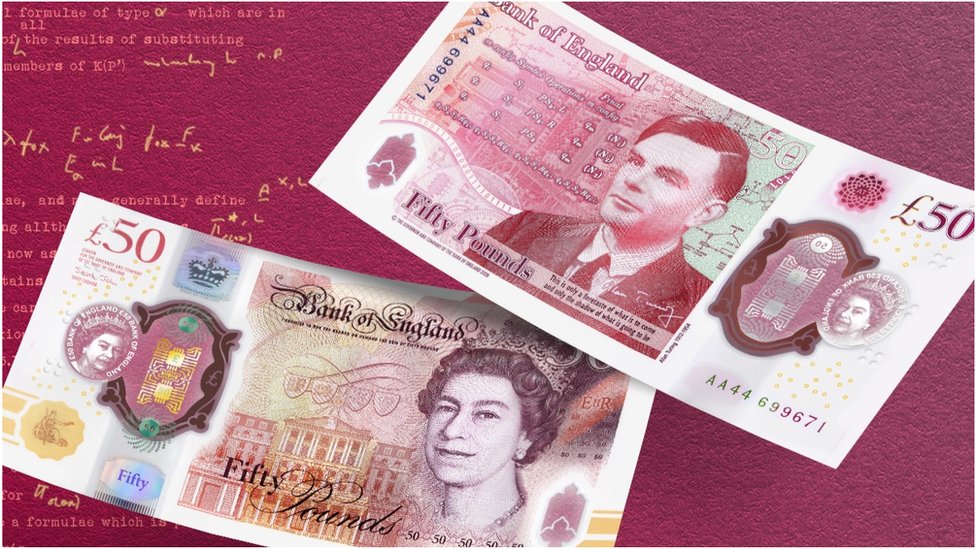
Deposit Money Banks in Nigeria have issued a deadline of December 31, 2021 for the acceptance of the old £20 and £50 notes to enable proper conclusion of cash evacuation.
One of the banks, Heritage Bank, disclosed this in an email to its customers on Wednesday titled, ‘Pound Sterling notes out of circulation’.
It said, “Esteemed customer, this is to notify you that from September 2022, the Bank of England has mandated the withdrawal of paper £50 and £20 notes from circulation.
“This implies that from January 1, 2022 Heritage Bank will stop accepting paper notes of £50 and £20 in all Experience Centres nationwide.
READ ALSO: Why Naira value is dropping against Dollar, Pound sterling, others
“We recommend you to deposit all £50 and £20 paper notes in your possession at any of our Experience Centres near you on or before December 31, 2021 to avoid losing the value of your money.
In the same vein, Fidelity Bank Plc, also sent its own email to its customers on Wednesday titled ‘Withdrawal of old 20 and 50 GBP notes from circulation’.
The message stated, “The Bank of England has announced the withdrawal of paper £20 and £50 notes after September 30, 2022. A year’s notice has been provided to customers and the global banking community.
“In view of this, Fidelity Bank, alongside other Deposit Money Banks in Nigeria, has issued a deadline of December 31, 2021 for acceptance of the stated denominations from the public to enable proper conclusion of cash evacuation.
“Thus, we advise you to use or deposit your paper GBP notes into your Fidelity Bank domiciliary account by December 31, 2021 to avoid a loss in the value of your money.”
The Bank of England has recently introduced new polymer £20 notes featuring J.M.W. Turner, and polymer £50 notes featuring Alan Turing to replace the paper notes.
After 30 September 2022, the new polymer notes will be the only ones with legal tender status.
Speaking ahead of the date, the Bank of England’s Chief Cashier Sarah John said “In recent years we have been changing our banknotes from paper to polymer because this makes them more difficult to counterfeit, and means they are more durable.
“The polymer £20 featuring the artist J.M.W. Turner, and the polymer £50 featuring the scientist Alan Turing are now in wide circulation, and we are in the process of withdrawing their paper equivalents. So we want to remind the public that they have one year from today to spend their paper banknotes.”
The introduction of polymer banknotes allows for a new generation of security features which make them even harder to counterfeit. The notes are also resistant to dirt and moisture and so remain in better condition for longer. These notes also have tactile features that allow the blind and partially sighted to use them.


-

 Latest5 days ago
US Immigration fees rise from October 16 as USCIS announces new charges
-

 Health1 week ago
COVID-19 Hospital care under scrutiny as US Senate hears patient, family testimonies
-

 Business1 week ago
OpenAI shelves GPT-6.1 astra release over safety concerns
-

 Business4 days ago
Nigeria’s $55bn reserves raise fresh questions over naira value
-

 Latest1 week ago
ADC’s 2027 Strategy: Who are the key players and what are their roles?
-

 Latest1 week ago
‘Our Uranium lit Europe, while Niger stayed in darkness’ — PM tells UN
-

 Health4 days ago
Florida sues Pfizer over deceptive COVID-19 vaccine marketing
-

 Business1 week ago
OPay leads Nigerian financial apps as smartphone adoption hits 75%