
Latest
Nigeria’s population projected to hit 377 million by 2050 –UN

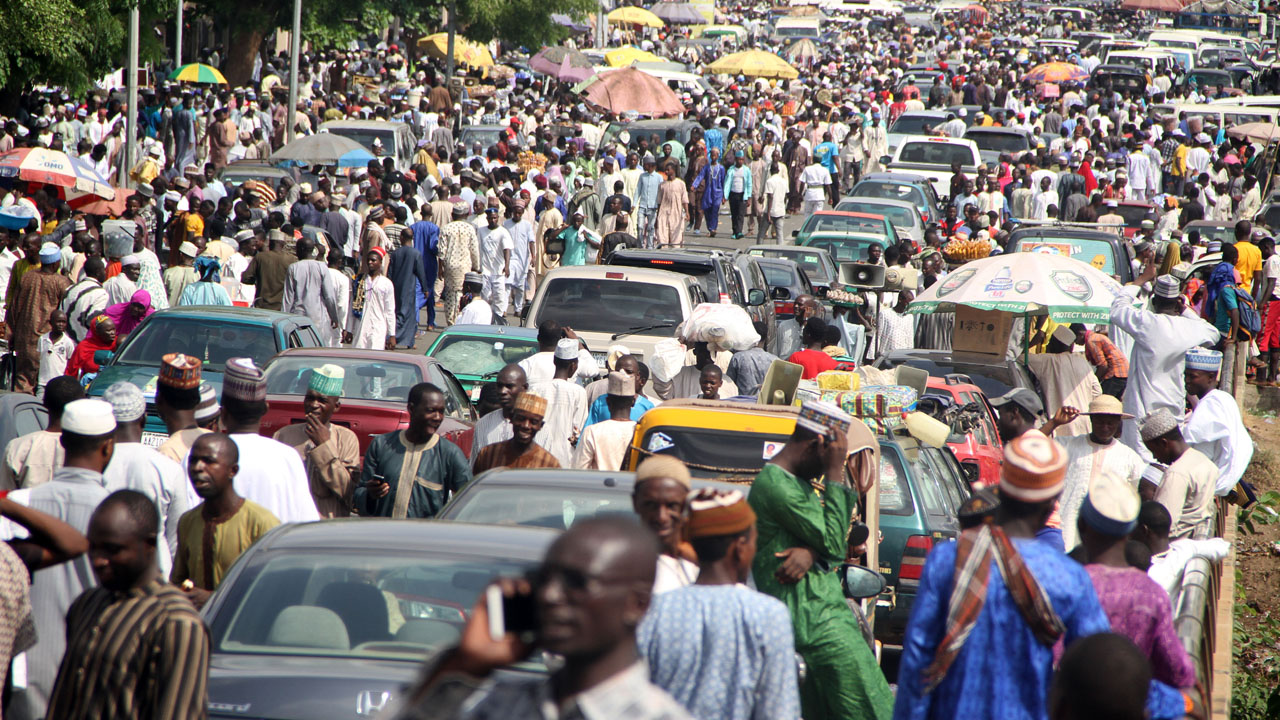
As recently as 1982, Nigeria had a population of fewer than 80 million people and was outside the world’s 10 most populous countries.
In the 41 years since, Nigeria’s population has nearly tripled to 225 million, moving up to sixth on the list. And that is not expected to slow down.
According to the most recent UN projections, Nigeria will nearly double its population again by 2050 to an estimated 377 million.
In the process, the country will leap-frog Pakistan and Indonesia and end up in a virtual tie with the US as the third most populous country in the world.
READ ALSO: Nigeria: Like Kenya, Llike Malawi?
Nigeria’s stunning growth is also indicative of the growth of the African continent. According to the UN estimates, five of the eight countries that are expected to make up half of the world’s population growth over the next 27 years are in Africa.
In an interview with Africa News, Tighisti Amare, the Deputy Director of the Africa Programme Chatham House in London, pointed out that Africa is the fastest-growing continent and the youngest, noting that 70% of the population is under 30.
“The population growth is, of course, partly explained by improvement in level and access to public health,” Amare said. “That has led to a decrease in child mortality. And that by itself is good news. And the other good news is that also by having a young population, most African nations do not have the burden of a large elderly population that relies on taxes and pensions, which can be a strain on the economy as well.”
She also noted that because of such a young population, countries like Nigeria are producing more workers in the tech industry increasing the possibility that the solutions for issues that impact Africa, such as climate change, are developed domestically.
While there are plenty of positives, there are also plenty of development issues that come with such a rapidly expanding population. Michael Herrmann, an economic adviser with the United Nations Population Fund, told Africa News that without proper planning it can be difficult to care for, educate, and employ a population growing that fast.
READ ALSO: Population Commission reaffirms commitment to credible, digital, reliable census
“They have decided to meet the needs of people in terms of education, health care, housing, food, water, energy, security,” Hermann said. “They want to create full employment for the people, and a growing population can raise the stakes in these efforts. It makes it harder to achieve these objectives, to achieve social progress, and also it might come with growing pressures on the environment.”
Regardless of how Nigeria and other fast growing African nations handle their explosive growth, World Population Day gives us a chance to reflect on the dramatic human shifts that will reshape our globe in the decades to come.














-
 Latest7 days ago
Israel marks 3 years since October 7 Hamas attack amid Gaza strikes, election debate
-

 Energy7 days ago
Fuel Battle: Dangote, marketers and government clash over petrol imports
-

 Energy1 week ago
Petrol, diesel prices rise 86% in 2026 as costs hit fresh highs
-

 Latest2 days ago
Full List: Meet the 2026 Nobel Prize winners across six categories
-

 Football1 week ago
Nigeria’s World Cup exit under spotlight as FIFA’s DR Congo files emerge
-

 Latest1 week ago
US Court set to rule on release of FBI, DEA records on Tinubu
-

 Business1 week ago
Nigerian investors at a crossroads as fixed-income yields slide
-

 Latest1 week ago
Oyo APC crisis deepens as Oluyole reconciliation meeting ends in brawl