
Football
Nigeria’s World Cup absence costs more than football, says sport analysts

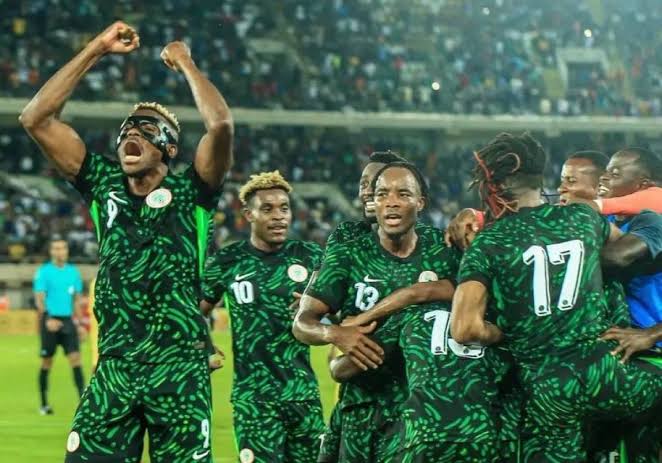
By Eniola Ogundele
Nigeria’s failure to qualify for the 2026 FIFA World Cup is being viewed by analysts as more than a sporting setback, with experts arguing that the country risks losing a valuable platform for global visibility, cultural influence and national branding.
While many football fans see the Super Eagles’ absence as another disappointing qualification campaign, scholars and observers of international relations say the implications extend far beyond the football pitch.
The FIFA World Cup, regarded as the world’s most-watched sporting event, attracts billions of viewers and offers participating nations an unparalleled opportunity to showcase their culture, identity and achievements to a global audience.
According to international relations experts, modern influence is no longer measured solely by military strength or economic performance. Instead, countries increasingly rely on what political scientist Joseph Nye described as “soft power” — the ability to shape global perceptions through culture, entertainment and sport.
In today’s interconnected world, a successful football team can enhance a nation’s image as effectively as diplomatic initiatives, while musicians, filmmakers and athletes often become unofficial ambassadors who project their country’s identity abroad.
READ ALSO: Nigeria left out as World Cup kicks off, fans react to Super Eagles’ absence
The World Cup has become one of the most powerful platforms for this form of influence. Beyond the football itself, participating nations gain exposure through global media coverage, tourism promotion, cultural showcases and international conversations that accompany the tournament.
Analysts note that governments around the world increasingly invest in sports as part of broader national branding strategies. Countries such as Brazil, Spain and South Korea have successfully leveraged sport and culture to strengthen their international image and influence.
Nigeria is already regarded as one of Africa’s leading soft-power nations. Through Afrobeats, Nollywood, literature, fashion and digital creativity, the country has built a significant global cultural footprint.
Artists, filmmakers and writers have introduced Nigerian stories to international audiences, while Nigerian music continues to dominate charts across multiple continents.
However, experts argue that football occupies a unique position because of its universal appeal and ability to command the attention of billions simultaneously.
For decades, the Super Eagles served as one of Nigeria’s most recognisable international symbols. Between 1994 and 2018, the national team qualified for six World Cups, producing memorable performances and globally admired stars such as Jay-Jay Okocha, Nwankwo Kanu, Rashidi Yekini, Vincent Enyeama and John Obi Mikel.
The team’s influence often extended beyond sport, helping shape positive perceptions of Nigeria and reinforcing its status as one of Africa’s football powerhouses.
Observers say that when Nigeria misses the World Cup, it temporarily loses a seat at one of the world’s largest cultural and media gatherings. Global attention shifts to other countries, sponsors redirect investments, and younger football fans around the world identify with new national teams and players.
While Nigeria remains one of Africa’s largest economies and most influential countries, experts stress that international visibility plays a crucial role in sustaining global relevance.
They argue that investment in grassroots football, youth development programmes, coaching, sports administration and infrastructure should be viewed not only as sporting priorities but also as strategic investments in Nigeria’s international image.
According to analysts, the lesson from Nigeria’s World Cup absence is clear: football is no longer merely entertainment. It has become a tool of diplomacy, economic promotion and cultural influence.
Although the country’s global relevance extends far beyond football, the World Cup remains one of the few events capable of placing a nation before billions of people at the same moment.
For many observers, Nigeria’s absence from the 2026 tournament represents not only a missed sporting opportunity but also the loss of a powerful stage on which the nation could tell its story to the world.


-
 Latest7 days ago
Israel marks 3 years since October 7 Hamas attack amid Gaza strikes, election debate
-

 Energy7 days ago
Fuel Battle: Dangote, marketers and government clash over petrol imports
-

 Energy1 week ago
Petrol, diesel prices rise 86% in 2026 as costs hit fresh highs
-

 Latest1 day ago
Full List: Meet the 2026 Nobel Prize winners across six categories
-

 Football1 week ago
Nigeria’s World Cup exit under spotlight as FIFA’s DR Congo files emerge
-

 Latest1 week ago
US Court set to rule on release of FBI, DEA records on Tinubu
-

 Business1 week ago
Nigerian investors at a crossroads as fixed-income yields slide
-

 Latest1 week ago
Oyo APC crisis deepens as Oluyole reconciliation meeting ends in brawl