
Featured
Russia asks Brazil, India, China, S/Africa to dump western payment system

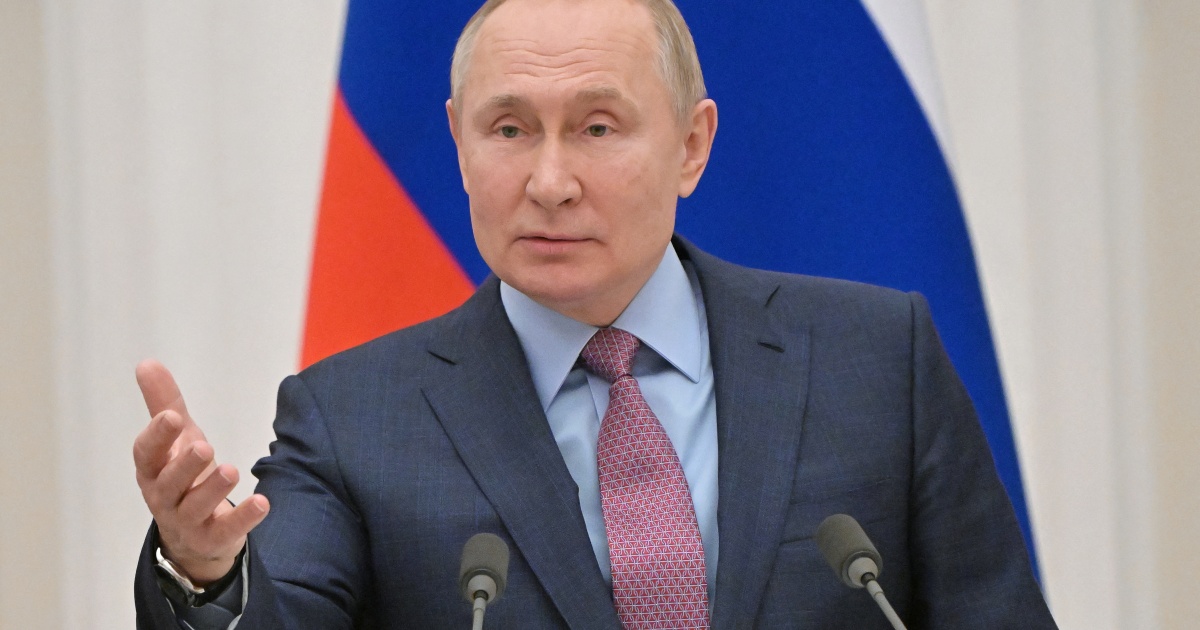
The Russian government has urged the BRICS group of emerging economies, which consists of which Brazil, China, India, Russia and South Africa, to extend the use of national currencies for import-export operations and integrate payment systems.
Following its invasion of Ukraine on February 24, Russia has been hit by unprecedented Western sanctions that have cut it off from the global financial system and from nearly half of its gold and foreign exchange reserves, which stood at $606.5bn in early April.
Meanwhile, international payment cards Visa and MasterCard suspended operations in Russia in early March and Russia’s biggest banks have also lost access to the SWIFT global banking messaging system.
Russian Finance Minister Anton Siluanov on Friday told a ministerial meeting with BRICS that the global economic situation had worsened substantially due to the sanctions, a statement from his ministry said on Friday.
The punitive measures also destroy the foundation of the existing international monetary and financial system based on the United States dollar, Siluanov said.
“This pushes us to the need to speed up work in the following areas: the use of national currencies for export-import operations, the integration of payment systems and cards, our own financial messaging system and the creation of an independent BRICS rating agency,” Siluanov said.
Russia set up its own banking messaging system, known as SPFS, as an alternative to SWIFT. Its own card payment system MIR began operating in 2015.
They were part of Moscow’s efforts to develop homegrown financial tools to mirror Western ones, to protect the country in case penalties against Moscow were broadened.
The finance ministry said BRICS ministers have confirmed the importance of cooperation in efforts to stabilise the current economic situation.
On Friday, the Russian central bank cut its key interest rate to 17 percent from 20 percent, in a surprise move before a regular board meeting scheduled for April 29, and said it held open the prospect of further cuts at upcoming meetings.
Top of Form
Bottom of Form
The cut partially reversed the emergency rate rise that the bank delivered in late February following the invasion.
The move by the central bank came after Siluanov said earlier this week that his ministry was working with the central bank on measures to make the rouble exchange rate more predictable and less volatile.
Al Jazeera


-
 Latest3 days ago
Full List: Meet the 2026 Nobel Prize winners across six categories
-
 Featured1 week ago
103 Million Voters: What does INEC’s new register say about Nigeria’s population?
-

 Football3 days ago
Premier League Matchweek 7: Five Fixtures That Could Shape the Weekend
-

 Features1 week ago
Edo’s 2.5 million vote promise: Can the numbers match the politics?
-

 Business1 week ago
The Ministry of Commerce of Loveworld gets a $1 million boost for new investment fund at LTIF 2026 to promote Trade in Ghana
-

 Latest2 days ago
Umahi defends Lagos-Calabar highway route changes amid public outcry
-
 Business2 days ago
Dangote Refinery IPO Extension: Was the 70% subscription report overhyped?
-

 Latest1 week ago
Nigeria to Ghana: Inside police hunt for Anambra kidnap suspect