
Energy
FG bows to pressure, abolishes fuel subsidy

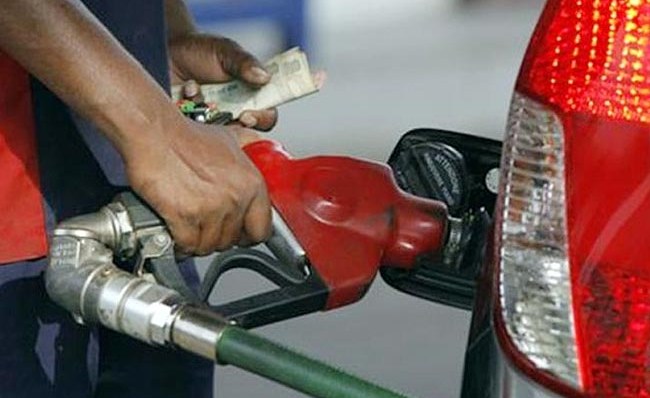
The Federal Government of Nigeria has finally bowed to long-standing pressure to restructure the downstream segment of the Nigerian oil industry through the removal of fuel subsidy.
This comes as the global oil industry continues to grapple with the low demand and subsequent price slump that have been caused by the Coronavirus pandemic.
According to the GMD of the Nigerian National Petroleum Corporation (NNPC), Malam Mele Kyari, Nigeria would no longer be paying for under-recovery or subsidy on petrol, especially due to the current development in the global oil sector.
Kyari disclosed this on Monday in Abuja, during an interview session.
“There is no subsidy and it is zero forever, going forward there will be no resort to either subsidy or under-recovery of any nature. NNPC will play in the marketplace, it will just be another marketer in the space. But we will be there for the country to sustain the security of supply at market price.”
Kyari believes that the liberalization of the sector and the removal of subsidy will eliminate the incentive to smuggle petrol across the various borders. This is because the arbitrage which the smugglers used to enjoy will no longer exist.
The NNPC boss went further to disclose that the removal of fuel subsidy would help the Federal Government and the Corporation to monitor and determine Nigeria’s actual consumption pattern of the product.
On transparency, Kyari said that the state-owned oil firm is probably the only company in the world that publishes its monthly financial and operational reports.
He said the corporation is proud of the initiative, and then assured Nigerians of NNPC’s commitment to transparency and accountability in all its transactions.
He then disclosed that Nigeria is currently producing 2.3 million barrels of crude oil per day, including condensates. This is in tandem with the country’s plan to increase its production output to 3 million barrels per day in the nearest future.
The NNPC boss also assured Nigerians of adequate supply and distribution of petroleum products. He explained that in spite of the Coronavirus pandemic, the corporation had in stock about 2.6 billion litres of petroleum products that could serve the country’s energy needs for the next two months.


-

 Featured6 days ago
Osun 2026: What the battle could signal for 2027 general elections
-

 Business1 week ago
OPay transactions surge 115% to $358bn as Fintech eyes $4bn US IPO
-
 Business7 days ago
Who is really benefiting from Nigeria’s economic reforms?
-

 Featured6 days ago
Osun Election: How poverty turns ₦20,000 into a powerful vote-buying tool
-

 Latest6 days ago
Coca-Cola faces backlash over alleged AI filter blocking Christian messages
-

 Business1 week ago
Deep offshore tax order to unlock $50bn investment, boost oil output–Ojulari
-
 Business7 days ago
Pound climbs to N1,837 as Naira holds steady amid stronger FX market liquidity
-

 Latest6 days ago
Osun poll: Chaos in Ejigbo as voters, INEC officials run for safety