
Health
Expert lists 8 things everyone should know about coronavirus

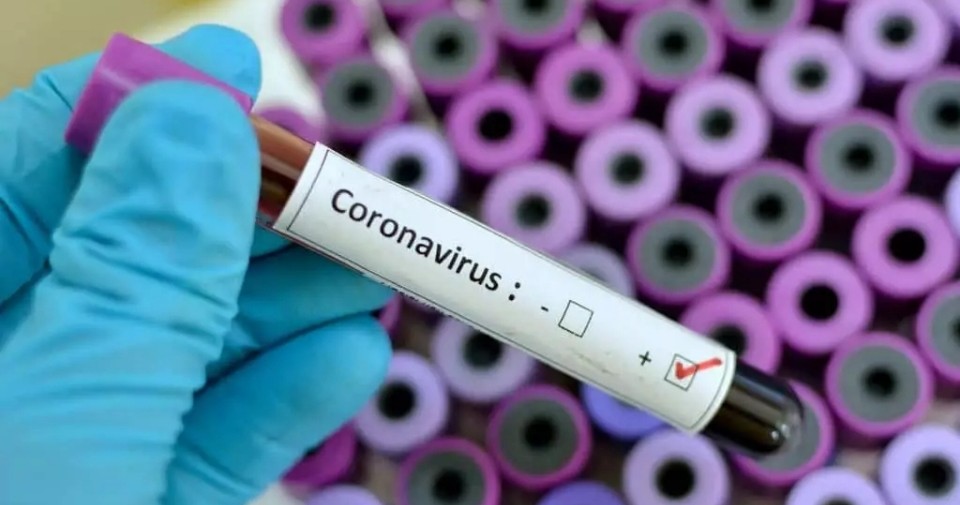
The coronavirus continues to spread globally, with over 111,000 cases and 3,800 deaths as of Monday, Alok Patel, MD and a physician has listed eight things people should be aware of the deadly virus.
Whether you’ve heard of coronavirus, novel coronavirus or COVID-19, Patel says that each name is referring to the same virus, and is actually a variation of the name already attributed to a family of viruses or diseases seen for decades.
“They’re usually going to spread from those droplets that people spew out when they sneeze, when they cough, from a runny nose. They cough those, you can inhale them, you can get them on your hands and then subsequently touch your mouth, your nose, your eyes and transmit it that way,” Patel explains.
However, the virus can likely live, at least for a bit, on surfaces, including a kitchen counter, a doorknob and even your cell phone. “So, when it doubt, you have to clean all of these surfaces,” he says. “But most importantly, you have to clean and wash your hands.”
Symptoms of the coronavirus are similar to those of a cold or flu, with a fever, cough and some shortness of breath. They can be mild and subtle but it’s important to make sure that they don’t progress to a higher fever or more serious level of breathing difficulty. Patel says that while anybody can get coronavirus, it’s the elderly and people with existing medical conditions that are most susceptible to a more severe illness course.
When it comes to testing for coronavirus, the process is much the same to testing for the flu, with a nose swab or a sample of sputum. Unlike many existing viruses, however, there is no vaccine for coronavirus, although there is one in development. “People are estimating anywhere from end of the year to several years before that is widely distributed,” Patel says.
In the meantime, people have to be diligent about washing their hands, cleaning surfaces and avoiding touching their faces in order to stay protected, while making sure to be prepared for an outbreak. “We may have to work from home, we may not be able to go on that trip we planned, our children’s daycare or schools might be closed. We may have to stay at home,” Patel explains.
“But it’s just generally good practice to make sure you have a two-week supply of anything you may need. Whether it be food or prescription medication. Not only for you, but also your family.”
Patel also urges that the practice of good hygiene be taught to young children now, not only for the sake of coronavirus, but also for future health.






-
 Latest7 days ago
Israel marks 3 years since October 7 Hamas attack amid Gaza strikes, election debate
-

 Energy7 days ago
Fuel Battle: Dangote, marketers and government clash over petrol imports
-

 Energy1 week ago
Petrol, diesel prices rise 86% in 2026 as costs hit fresh highs
-
 Latest2 days ago
Full List: Meet the 2026 Nobel Prize winners across six categories
-

 Football1 week ago
Nigeria’s World Cup exit under spotlight as FIFA’s DR Congo files emerge
-

 Latest1 week ago
US Court set to rule on release of FBI, DEA records on Tinubu
-

 Business1 week ago
Nigerian investors at a crossroads as fixed-income yields slide
-

 Latest1 week ago
Oyo APC crisis deepens as Oluyole reconciliation meeting ends in brawl