
Business
Google expands flood alerts to 80 countries, including 8 in Africa

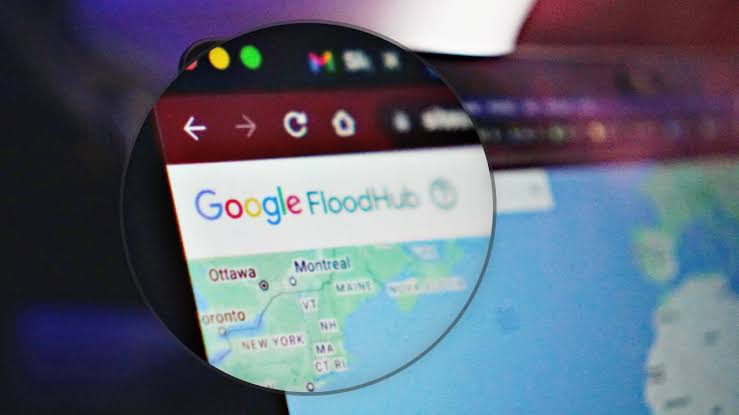
Tech giant, Google, has expanded its Flood Hub platform to cover 80 countries worldwide including the addition of 8 new countries in Africa.
According to Google, the expansion came as part of AI-enabled efforts to address the devastating impacts of floods and provide critical support to vulnerable communities.
The Flood Hub platform now offers forecasts up to 7 days in advance, benefitting a population of 460 million people globally.
The Flood Hub platform has been available in several African countries before this expansion, including Angola, Burkina Faso, Cameroon, Chad, Democratic Republic of Congo, Ghana, Guinea, Ivory Coast, Liberia, Malawi, Namibia, Nigeria, Sierra Leone, South Sudan, South Africa.
The expansion brings the total number of African countries covered by the platform to 23.
READ ALSO: Be prepared for massive flooding in 2023 — NEMA warns
The 8 new countries added in Africa include Burundi, Eswatini, Guinea Bissau, Lesotho, Madagascar, Rwanda, Senegal, and Zimbabwe. The inclusion of these countries ensures that a broader range of African communities facing high flood risk and extreme weather conditions can benefit from Flood Hub’s accurate and timely flood forecasting services.
Google added that the expansion aims to empower more people to take necessary precautions and safeguard lives and property.
Explaining why Google is deploying technology to help countries prepare for the flood, VP Engineering & Research and Crisis Response Lead, Yossi Mattias, said:
“We recognise the significant impact that floods have on communities worldwide, especially in regions with limited resources and vulnerable populations. We are committed to expanding the reach of the Flood Hub platform to support these communities and provide accurate flood forecasting that can help save lives and protect livelihoods.”
READ ALSO: Google rolls out passkeys, moves to phase out passwords
To further enhance flood preparedness, Mattias said Google is expanding flood alerts through Search and Maps notifications, ensuring that individuals have convenient access to timely and critical flood information.
To provide flood forecasting, Google monitors historical and real-time water level measurements and precipitation forecasts. It uses data that is either publicly available or available to Google through partnerships with local governments. Based on this information, Google runs run 2 main types of machine-learning models:
Once an upcoming flood is identified, Google sends notifications. Notifications go to people who have their smartphone location services turned on and who are located in an area that is flooded or expected to flood.


-
 Latest1 week ago
Israel marks 3 years since October 7 Hamas attack amid Gaza strikes, election debate
-

 Energy1 week ago
Fuel Battle: Dangote, marketers and government clash over petrol imports
-

 Latest2 days ago
Full List: Meet the 2026 Nobel Prize winners across six categories
-

 Football1 week ago
Nigeria’s World Cup exit under spotlight as FIFA’s DR Congo files emerge
-

 Latest1 week ago
US Court set to rule on release of FBI, DEA records on Tinubu
-
 Featured6 days ago
103 Million Voters: What does INEC’s new register say about Nigeria’s population?
-

 Business1 week ago
Nigerian investors at a crossroads as fixed-income yields slide
-

 Business1 week ago
Nigerian startup 3650HQ moves to cut rising WhatsApp costs for businesses