
Business
Just in: NNPCL raises fuel price to over N1,000 per litre

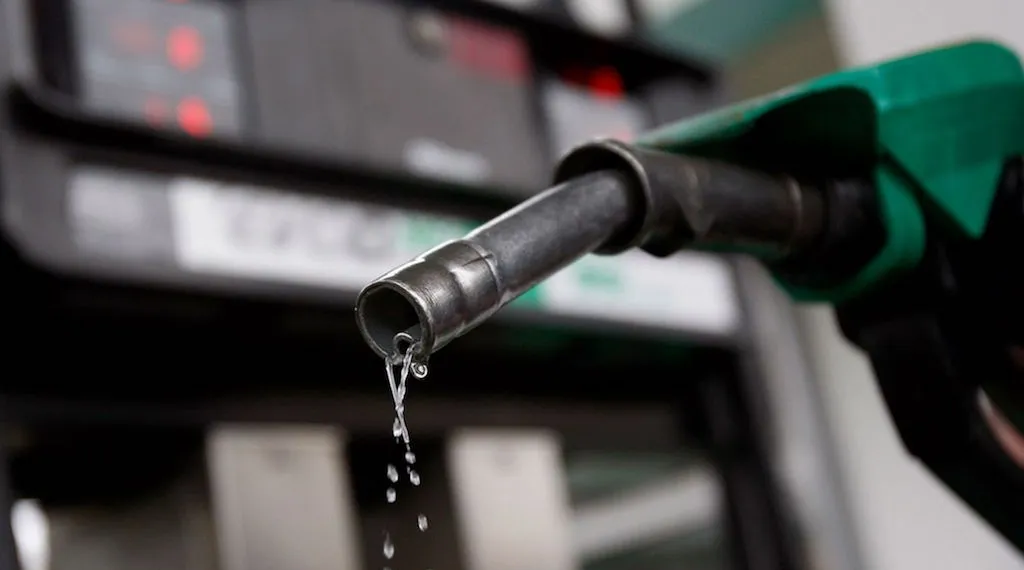
Filling stations operated by the Nigerian National Petroleum Corporation Limited (NNPCL) have significantly increased the pump price of petrol, with prices in Abuja rising from N897 to N1,030 per litre.
In Lagos, fuel now sells for N998 per litre, up from N885, as motorists endure long queues across the country.
At an NNPC station in Gudu, Abuja, attendants confirmed that the price adjustment was in progress.
When asked if the station was out of stock, one attendant clarified that they were waiting for the pump meters to be recalibrated to reflect the new price of N1,030 per litre.
This price hike comes just 24 hours after reports surfaced predicting an increase due to NNPCL’s recent decision to exit its role as a middleman in the Dangote Refinery purchase agreement.
Previously, NNPCL absorbed a subsidy of N133 per litre, bridging the gap between the refinery’s production price and the market selling price.
READ ALSO: NNPCL and the naked dance over pricing of Dangote petrol?
However, with NNPCL stepping away, fuel prices will now reflect a fully deregulated market, where marketers negotiate directly with the Dangote Refinery under a “willing buyer, willing seller” model.
This shift marks a major turning point in Nigeria’s oil industry, as the national oil company reduces its involvement in pricing controls.
The NNPCL stated that it could no longer sustain the financial burden of covering the price gap, signaling a clear move toward market-driven petrol prices.
In September, Dangote Industries confirmed that its 650,000 barrels-per-day refinery had begun processing petrol, with NNPCL initially serving as the sole buyer.
However, recent changes allow independent marketers to engage directly with the refinery, further pushing Nigeria toward a deregulated oil market.
This development is expected to have broad implications for fuel pricing across the country, potentially leading to more fluctuations in prices as market dynamics take full effect.
While the government’s withdrawal from price controls may foster competition among marketers, it also raises concerns over the affordability of fuel for everyday consumers.


-
 Latest6 days ago
Israel marks 3 years since October 7 Hamas attack amid Gaza strikes, election debate
-

 Energy5 days ago
Fuel Battle: Dangote, marketers and government clash over petrol imports
-

 Energy7 days ago
Petrol, diesel prices rise 86% in 2026 as costs hit fresh highs
-

 Energy1 week ago
Has Iran lost control of the Strait of Hormuz? Oil flows rebound as war disruptions persist
-

 Football6 days ago
Nigeria’s World Cup exit under spotlight as FIFA’s DR Congo files emerge
-

 Latest6 days ago
US Court set to rule on release of FBI, DEA records on Tinubu
-

 Business6 days ago
Nigerian investors at a crossroads as fixed-income yields slide
-

 Business1 week ago
LoveWorld Trade and Investment Forum to Convene Business Leaders in Accra