
Featured
Organ-harvesting: What does it mean, victims and risk?

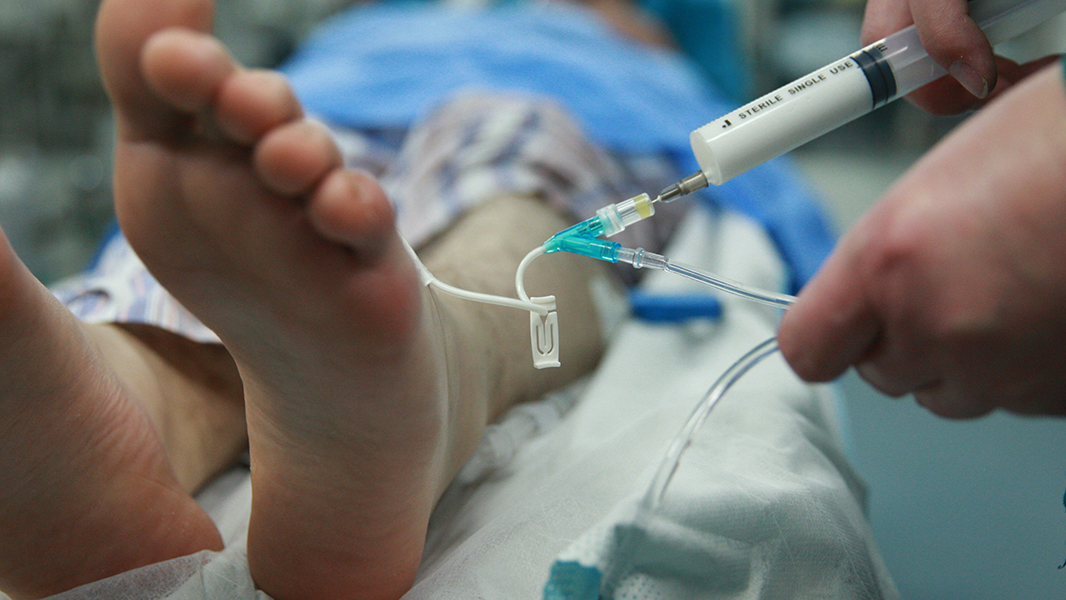
The term “organ harvesting” topped social media trends on Thursday after former Deputy Senate President Ike Ekweremadu and his wife, Beatrice were arrested by the UK Police over alleged child trafficking and organ harvesting of a child.
Organ harvesting or donation/transplantation is removing an organ from one person (the donor) and surgically placing it in another (the recipient) whose organ has failed.
Checks show organs and tissues that can be transplanted include: ;Liver; Kidney; Pancreas; Heart; Lung; Intestine; Corneas; Middle ear; Bone; Bone marrow; Heart valves; Connective tissue and Vascularized composite allografts (transplant of several structures that may include skin, uterus, bone, muscles, blood vessels, nerves and connective tissue).
READ ALSO: How Kidney donor turned asylum seeker, robed Ekweremadu into alleged organ harvesting
In 2017 a former Nigerian government minister claimed that migrants from his country were having their organs harvested after being sold into slavery.
Femi Fani-Kayode, a onetime aviation minister in Nigeria, claimed that 75 per cent of slaves who have their organs harvested in North Africa are from his country.
The Cambridge University-educated lawyer added that the victims have their ‘bodies mutilated’ and are ‘roasted like suya [shish kebabs]’. He went on: ‘Roasted alive! This is what Libyans do to sub-Saharan Africans who are looking for a transit point to Europe.
‘They sell them into slavery and either murder, mutilate, torture or work them to death.’
There are two types of donation – donation following death and live donation.
Over the years, reports have shown that victims of forced organ harvesting are subject to abuse and torture.
Organs are forcibly removed without consent or through coercion, to then be used in transplants. They are sold illegally to a market of buyers – many of whom may be unknowingly paying for a trafficked organ and unaware of their role in perpetuating a system of forced organ harvesting.
Kidneys remain the most trafficked organ world over because a patient or donor can survive with only one of them. It is estimated that approximately 7,000 kidneys are harvested and trafficked illegally each year.
Depending on the organ needed, organs are matched using several characteristics, including blood type and size of the organ needed. Also taken into account is how long someone has been on the waiting list, how sick they are, and the distance between the donor and the potential recipient.
READ ALSO: Olisa Metuh reacts to Ekweremadu, wife’s arrest in UK
In 2010, the World Health Organization obtained some 11,000 illegally harvested organs, most of them from countries involved in a conflict.
Although the procedure of organ transplantation has become widely accepted, there are still a number of ethical debates around related issues. The debates center around illegal, forced, or compensated transplantation like organ theft or organ trade.
In the United States, organ procurement is heavily regulated by United Network for Organ Sharing (UNOS) to prevent unethical allocation of organs.


-
 Latest1 week ago
Israel marks 3 years since October 7 Hamas attack amid Gaza strikes, election debate
-

 Energy1 week ago
Fuel Battle: Dangote, marketers and government clash over petrol imports
-

 Latest3 days ago
Full List: Meet the 2026 Nobel Prize winners across six categories
-
 Featured6 days ago
103 Million Voters: What does INEC’s new register say about Nigeria’s population?
-

 Business1 week ago
Nigerian startup 3650HQ moves to cut rising WhatsApp costs for businesses
-

 Football2 days ago
Premier League Matchweek 7: Five Fixtures That Could Shape the Weekend
-

 Business7 days ago
The Ministry of Commerce of Loveworld gets a $1 million boost for new investment fund at LTIF 2026 to promote Trade in Ghana
-

 Features7 days ago
Edo’s 2.5 million vote promise: Can the numbers match the politics?