
Education
What FG must do to end ASUU lingering strike – Moghalu

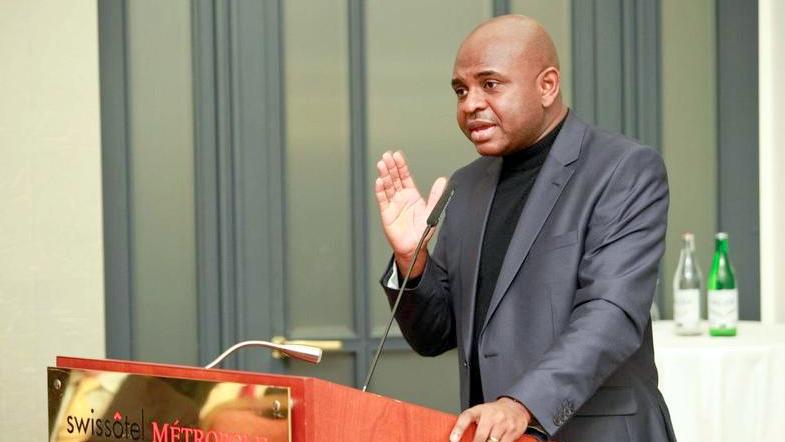
A former Deputy Governor of the Central Bank of Nigeria, Kingsley Moghalu, says the federal government needs to demonstrate commitment to adequate funding of education by increasing its budgetary allocation to 15% from the meagre 5.6% in order to develop Nigeria’s education sector.
In a statement signed on Wednesday, Moghalu who is convener of To Build A Nation (TBAN) said with just 5.6% of the total public expenditure in 2021 budget allocated to Education, government is not giving enough considerations to the major issue in its long history of dispute with the Academic Staff Union of Universities (ASUU).
According to him, the main issue between ASUU and the federal government has been the funding of the tertiary institutions, of which the emoluments of the lecturers are just a part.
“The country has been underinvesting in education for years and is far behind its comparator developing countries and emerging economies in terms of public investment in education.
“For instance, the allocation to education as a percentage of Nigerian government’s total expenditures averaged just 7.7% between 2015 and 2020. In comparison, South Africa’s budgetary allocation to education was consistently above 18% in the same period, rising above 20% in 2020, according to data by the World Bank.
“The ASUU strike now needs to end. To demonstrate commitment to adequate funding of education, the government needs to withdraw the 2021 Appropriation Bill and increase its allocation to education to at least 15%. This is a necessary first step to signal the wider reforms that are necessary to reposition the country’s education system.”
He said it is not enough to throw money at problems, noting that the education sector in Nigeria needed comprehensive reform.
“Such reform must include the review of tertiary institution admission criteria and standards, balancing access to education with quality of education; Curriculum review to ensure priority for science, technology, vocational skills and entrepreneurship
He also added that the review of educational pedagogy; Massive investments in learning equipment and other educational infrastructure; Fundamental improvement of teacher pay (part of the subject of the ASUU strike); Fundamental overhaul and strengthening of the regulation and regulatory oversight of the education sector; and the restoration of the CULTURE of education as a priority value system for Nigeria must also be part of the things to be included in the reform.


-
 Latest6 days ago
Israel marks 3 years since October 7 Hamas attack amid Gaza strikes, election debate
-

 Energy6 days ago
Fuel Battle: Dangote, marketers and government clash over petrol imports
-

 Energy1 week ago
Petrol, diesel prices rise 86% in 2026 as costs hit fresh highs
-

 Football7 days ago
Nigeria’s World Cup exit under spotlight as FIFA’s DR Congo files emerge
-

 Energy1 week ago
Has Iran lost control of the Strait of Hormuz? Oil flows rebound as war disruptions persist
-

 Latest7 days ago
US Court set to rule on release of FBI, DEA records on Tinubu
-
 Latest19 hours ago
Full List: Meet the 2026 Nobel Prize winners across six categories
-
 Business7 days ago
Nigerian investors at a crossroads as fixed-income yields slide