
Health
300 children die from contaminated cough syrups – WHO

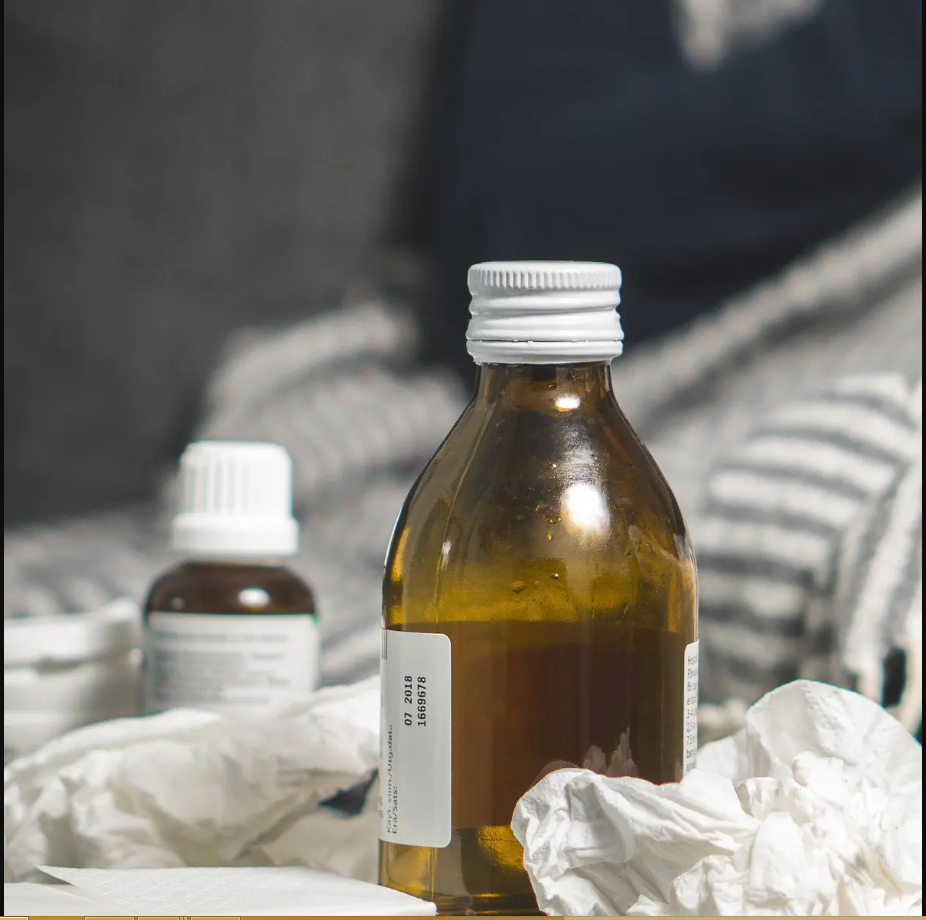
The World Health Organisation (WHO), says 300 children have died due to the use of contaminated cough syrups in three countries.
WHO issued a medical product alert on October 5, 2022, focused on the Gambia regarding four products — Promethazine Oral Solution, Kofexmalin Baby Cough Syrup, Makoff Baby Cough Syrup, and Magrip N Cold Syrup.
It issued another alert on November 6, 2022, focused on Indonesia concerning about eight products — Termorex syrup (batch AUG22A06 only), Flurin DMP syrup, Unibebi Cough Syrup, Unibebi Demam Paracetamol Drops, Unibebi Demam Paracetamol Syrup, Paracetamol Drops (manufactured by PT Afi Farma), Paracetamol Syrup (mint) (manufactured by PT Afi Farma), and Vipcol Syrup.
READ ALSO: Company halts production of cough syrup linked with acute injuries
On January 11, it also published an alert focused on Uzbekistan regarding two products — AMBRONOL syrup and DOK-1 Max syrup.
The organisation in a statement said over the past four months, countries have reported several incidents of over-the-counter cough syrups for children with confirmed or suspected contamination with high levels of diethylene glycol and ethylene glycol.
It said the contaminants are toxic chemicals used as industrial solvents and antifreeze agents that could be fatal even taken in small amounts, and should never be found in medicines.
“Last year, WHO raised the alarm by issuing medical alerts in October focused on the Gambia, in November about Indonesia, and earlier this month regarding Uzbekistan,” the statement reads.
“The cases in these three countries are associated with more than 300 deaths, but we know that at least seven countries have been affected. Most of the deaths have been in children under the age of five
“WHO’s medical product alerts were rapidly disseminated to the national health authorities of all 194 WHO member states.”
The WHO said since the incidents were not isolated, various key stakeholders engaged in the medical supply chain should take immediate and coordinated action.
It added that governments should “increase market surveillance including risk-based targeted testing for medical products released in their respective markets including informal markets; and enact and enforce, where relevant and as appropriate, laws and other relevant legal measures to help combat the manufacture, distribution and/or use of substandard and falsified medicines”.


-

 Sports5 days ago
Senegal opens Dakar 2026 Youth Olympic Games, Africa’s first Olympic event
-

 Latest1 week ago
Tinubu endorses Nigeria’s participation in 2026 World Travel Market London
-

 Football6 days ago
U-17 Women’s World Cup: Flamingos Beat Mexico to Reach Quarter-Finals
-

 Business21 hours ago
OPay explains how Nigerians can access FG’s N50,000 monthly cash relief
-

 Latest5 days ago
FG Announces N50,000 cash support for vulnerable Nigerians under new relief programme
-

 Business5 days ago
NNPC’s N66-per-litre petrol discount set to end October 31
-

 Latest5 days ago
INEC recognises Pantami for Gombe, keeps Kano NDC candidate off final list
-

 Latest6 days ago
Netanyahu, Eisenkot face coalition deadlock as Israel struggles to form new government