
Business
Affordable housing search becomes tougher for Lagos residents

By Diden Abigail Owuntarose
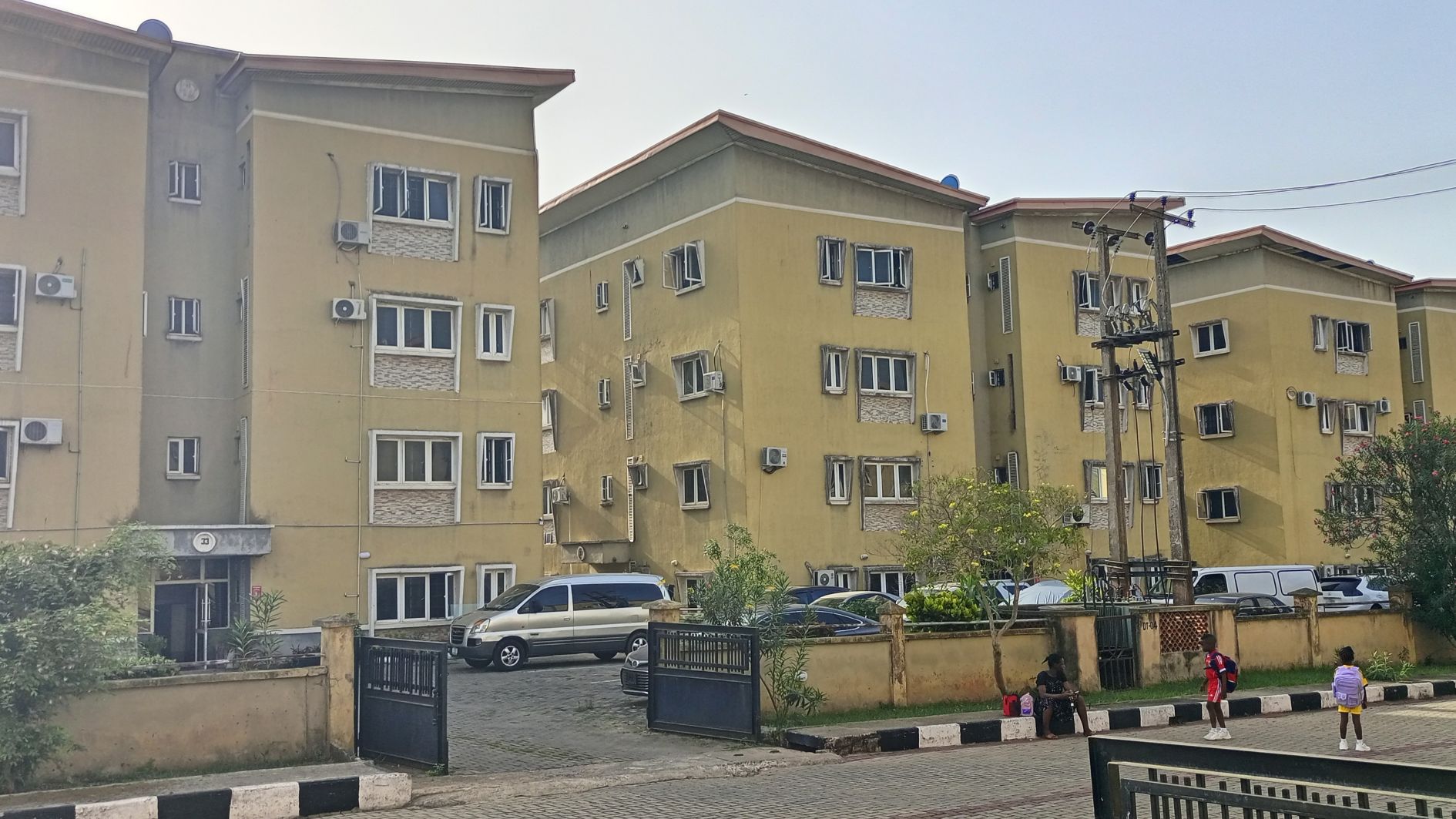
Finding affordable accommodation in Lagos is becoming a major challenge for many residents as housing costs, additional rental charges and the pressure of securing suitable living spaces continue to strain household finances.
For workers, students, young professionals and low-income earners, securing a decent room or apartment within their budgets often involves difficult choices between location, living conditions and proximity to workplaces.
The challenge is particularly significant in a city where many residents depend on public transportation to commute to work, making the distance between home and the workplace an important factor in their housing decisions.
Although accommodation farther from major commercial centres may appear more affordable, residents may spend a substantial portion of their income on transportation, especially when daily journeys involve multiple connections.
Consequently, the search for affordable housing is not determined by rent alone but also by the cost of travelling to work, accessing essential services and meeting other daily expenses.
Rising Costs and Limited Options
One of the major challenges facing prospective tenants is finding accommodation that combines affordability with acceptable living conditions.
In areas with convenient access to business districts, transport routes and commercial activities, rental accommodation may exceed the budgets of many low- and middle-income earners.
As a result, some residents look towards suburban communities where rents may be comparatively lower. However, affordability varies considerably between neighbourhoods, and cheaper accommodation may come with challenges such as poor road access, unreliable utilities or limited infrastructure.
The situation can leave prospective tenants weighing the financial benefits of living farther away against the inconvenience and expense of commuting.
READ ALSO; Homeownership slipping out of reach as Nigeria’s middle class battles rising housing costs
Additional Charges Increase the Burden
Beyond annual rent, prospective tenants may be required to pay agency, legal and caution fees, depending on the transaction and applicable rules.
These additional expenses can significantly increase the amount needed to secure accommodation, particularly for people who have limited savings or earn irregular incomes.
For someone searching for a modest room, the initial payment may represent several months of earnings, making it difficult to move even when a suitable apartment is available.
The financial pressure can be greater for newly employed workers and young people relocating to Lagos for education, employment or other opportunities.
Some prospective tenants may also encounter fraudulent property advertisements or misleading information about available apartments, creating additional risks during the search for accommodation.
The Housing and Transportation Connection
The relationship between housing and transportation further complicates the search for affordable accommodation.
Residents who cannot afford housing close to their workplaces may settle in distant communities and spend considerable time and money commuting.
Long journeys can reduce the time available for rest, family responsibilities and personal activities, while unexpected increases in transportation expenses can place additional pressure on household budgets.
For workers with fixed monthly salaries, balancing rent, transportation, food, electricity and other essential expenses can become particularly difficult.
This makes affordable housing an issue that extends beyond the property market to transportation planning, urban development and household welfare.
The Need for Sustainable Solutions
Addressing Lagos’ housing challenges requires more than increasing the number of available buildings. Affordability, infrastructure, location and the needs of different income groups must also be considered.
Expanding access to decent rental housing, improving infrastructure in developing communities and strengthening urban planning could help create more viable residential options.
Government-backed housing programmes may also contribute to improving access, provided their eligibility requirements, costs and locations are suitable for the people most in need.
In addition, clearer information about rental charges and stronger measures against fraudulent property transactions could help prospective tenants make better-informed decisions.
For many Lagos residents, the challenge is not simply finding a place to live but securing accommodation that does not consume an unsustainable share of their income.
As the city continues to attract workers, students and businesses, the availability of decent and affordable housing will remain an important consideration in its economic growth and residents quality of life.


-
 Latest1 week ago
Israel marks 3 years since October 7 Hamas attack amid Gaza strikes, election debate
-

 Energy1 week ago
Fuel Battle: Dangote, marketers and government clash over petrol imports
-

 Latest2 days ago
Full List: Meet the 2026 Nobel Prize winners across six categories
-

 Latest1 week ago
US Court set to rule on release of FBI, DEA records on Tinubu
-
 Featured6 days ago
103 Million Voters: What does INEC’s new register say about Nigeria’s population?
-

 Business1 week ago
Nigerian investors at a crossroads as fixed-income yields slide
-

 Business1 week ago
Nigerian startup 3650HQ moves to cut rising WhatsApp costs for businesses
-

 Latest1 week ago
Oyo APC crisis deepens as Oluyole reconciliation meeting ends in brawl