
Featured
Buhari battling with legacy crisis, summons Uzodimma, Power Minister, Chief Economic Adviser

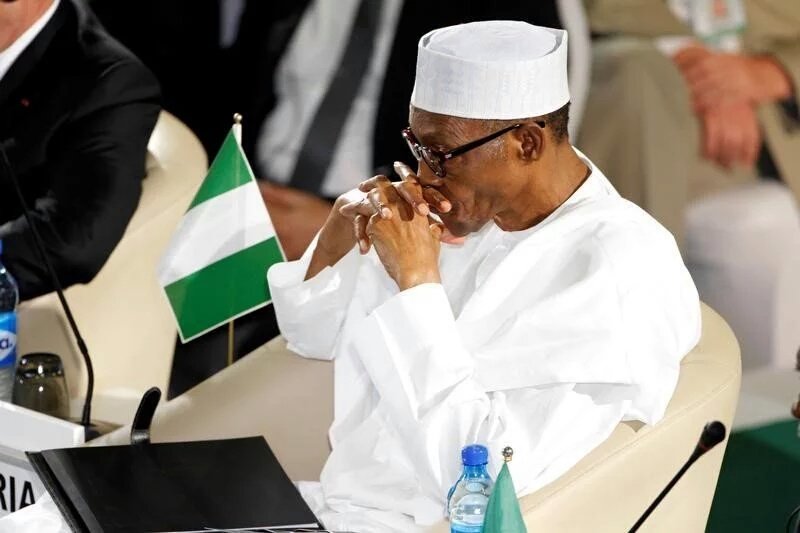
President Muhammadu Buhari has continued the battle to ensure he leaves a positive legacy for which he will be remembered in the history of Nigeria’s political development after his second tenure elapses in 2023. The President troubled by the incessant insecurity and activities of gunmen in southeast Nigeria, essentially, Imo State; the rapidly declined electricity supply in the country, and the seemingly collapsed economy, summoned Governor Hope Uzodimma of Imo State, the Minister of Power, Abubakar Aliyu, and the Chief Economic Adviser, Prof Doyin Salami, to an urgent meeting at the State House, Abuja on Monday.
The Senior Special Assistant to the President on Media and Publicity, Garba Shehu, in a statement in Abuja on Monday indicated that the President scheduled the meeting with the invitees separately on Monday afternoon.
The SSA said that President Buhari is expected to receive a briefing on the latest developments in Imo State, the power sector, and the state of the economy from the governor, minister, and special adviser at the meetings.
Imo State has become a theater of violence in recent times. Gunmen attacked and burnt two police stations in the state last week and successfully escaped.
Electricity supply has in the past weeks worsened across the country. First, the federal government put up a defence that the long hours of electricity outage across the country was due to low water level at the dam. Later the national grid was said to have broken down. Weeks after the minister of power told Nigerians that the federal government has recovered the national grid, electricity supply has worsened. Homes and offices that were supplied electricity before the recovery for about three hours in 24 hours were reduced to 45 to 15 minutes electricity supply in 24 hours after the said recovery of the national grid.
The economy has been badly down over the years without sign of redemption. Beside the statistics of unemployment, crime wave, incremental poverty, etc., prices of goods and services have gone the reach of many citizens except those in government and political structures. The price regime is so bad that even manufacturers have withdrawn from the production of certain household products in the fear that the price may discourage consumers from further patronage. Hunger and starvation has become writ large in Nigeria.
President Buhari no longer needs any adviser to tell him how bad the country’s socio-economic condition is. Apparently, the president appears to have been concerned about the historical liability awaiting him in the post-2023 era.
The presidency had last week enumerated actions taken to improve electricity supply in the country. Unfortunately, they yielded no positive result.


-
 Latest1 week ago
Israel marks 3 years since October 7 Hamas attack amid Gaza strikes, election debate
-

 Energy1 week ago
Fuel Battle: Dangote, marketers and government clash over petrol imports
-

 Latest2 days ago
Full List: Meet the 2026 Nobel Prize winners across six categories
-
 Featured6 days ago
103 Million Voters: What does INEC’s new register say about Nigeria’s population?
-

 Business1 week ago
Nigerian startup 3650HQ moves to cut rising WhatsApp costs for businesses
-

 Business7 days ago
The Ministry of Commerce of Loveworld gets a $1 million boost for new investment fund at LTIF 2026 to promote Trade in Ghana
-

 Football2 days ago
Premier League Matchweek 7: Five Fixtures That Could Shape the Weekend
-

 Features6 days ago
Edo’s 2.5 million vote promise: Can the numbers match the politics?