
Covid-19
COVID-19 impacts on TB as treatment drops by 21% in 2020 – WHO

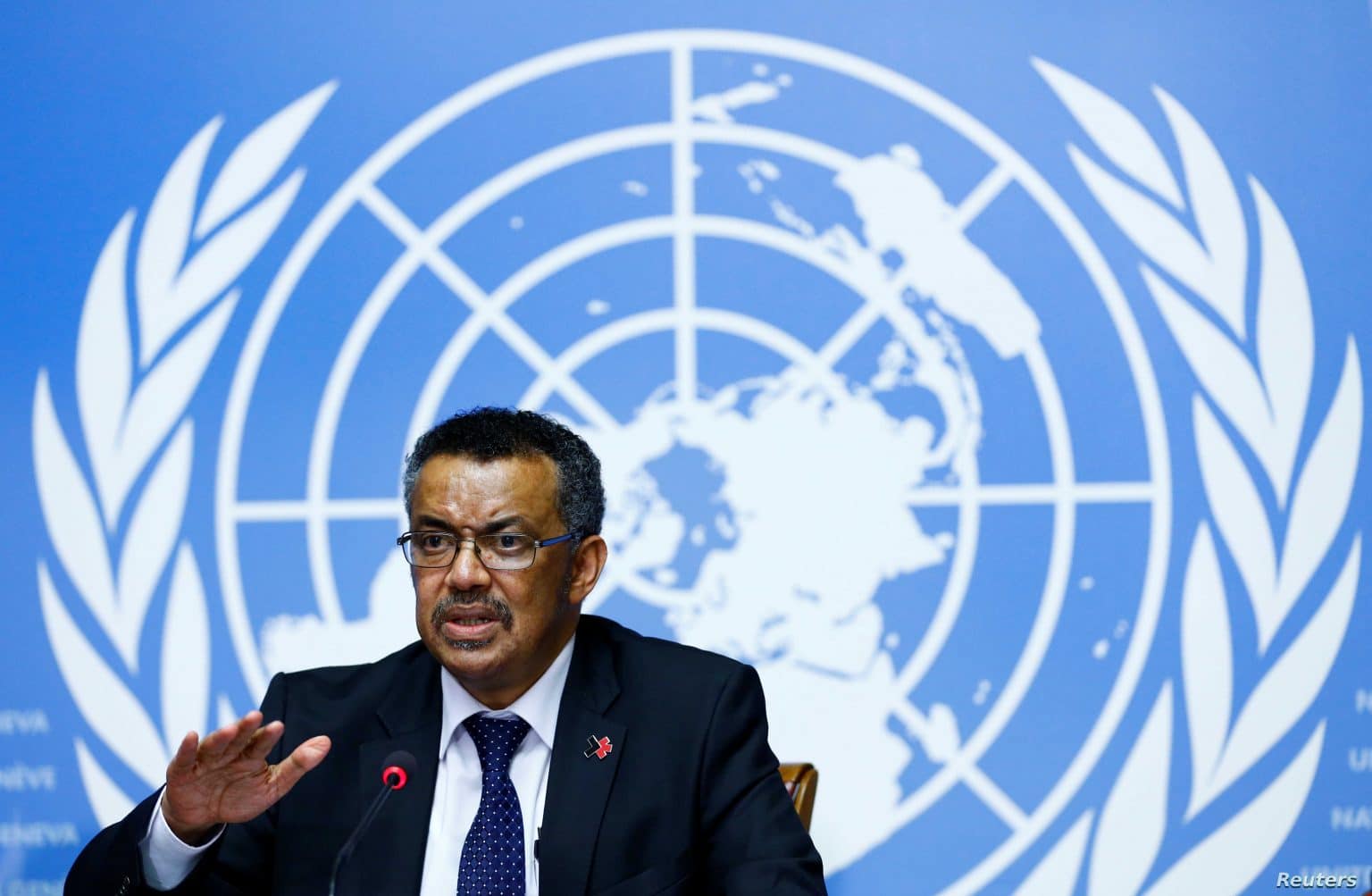
The World Health Organisation (WHO) says data from more than 80 countries show 21 per cent reduction in Tuberculosis (TB) treatment in the first year of the COVID-19 pandemic.
WHO stated this in a statement posted on its website to commemorate the World TB Day, globally observed on March 24 each year to create awareness about TB and efforts to eliminate the disease.
According to the UN health agency, an estimated 1.4 million fewer people received necessary care for TB during 2020 compared with the previous year because of COVID-19.
“The biggest differences were in Indonesia (down 42 per cent), South Africa (41 per cent), the Philippines (37 per cent) and India (25 per cent).’’
The statement quoted WHO Director-General, Dr Tedros Ghebreyesus, as saying, “the disruption to essential services for people with TB is just one tragic example.
“It is just one tragic example of the ways the pandemic is disproportionately affecting some of the world’s poorest people, who were already at higher risk for TB.
“ These sobering data point to the need for countries to make universal health coverage a key priority as they respond to and recover from the pandemic, to ensure access to essential services for TB and all diseases”.
According to the statement, each day, nearly 4,000 people die from TB and close to 28,000 people fall ill with this preventable and curable disease.
“Global efforts to combat it have saved an estimated 63 million lives since the year 2000.
“Ahead of World TB Day on Wednesday 24 March, WHO pointed out that some countries have already taken steps to sidestep the impact of new coronavirus on the delivery of TB services.
“Successful policies have included expanding the use of digital technologies such as computer-aided diagnosis in chest X along with the provision of remote advice and support and providing home-based TB prevention and care’’.
Despite these innovations, WHO stated that many people who had the preventable disease were still unable to access the care TB every year.
“WHO fears that over half a million more people may have died from TB in 2020, simply because they were unable to obtain a diagnosis.
“This is by no means a new problem; before COVID-19 struck, the gap between the estimated number of people developing TB each year and the annual number of people officially diagnosed with the virus was about three million.
“The pandemic has greatly exacerbated the situation,” the UN health agency said.
In new recommendations to help health authorities tackle the problem, WHO urged systematic TB screening for the following groups.
“It urged screening for household and close contacts of people with TB, people living with HIV, people in prisons and detention centres, people exposed to silica (mainly miners).
“ Community screening is beneficial in vulnerable populations with limited access to health care’’.
In addition, it stated that further drug innovations had meant that health professionals should also encourage patients with multidrug-resistant tuberculosis to adopt the new shorter and fully oral medicine regime, which no longer has an injectable element.
“This shorter regimen is nine to 11 months long “and research has shown that patients find it easier to complete the regimen, when compared to the longer regimens which last up to 20 months,” WHO said.


-

 Latest3 days ago
Full List: Meet the 2026 Nobel Prize winners across six categories
-
 Featured1 week ago
103 Million Voters: What does INEC’s new register say about Nigeria’s population?
-

 Football3 days ago
Premier League Matchweek 7: Five Fixtures That Could Shape the Weekend
-

 Business1 week ago
The Ministry of Commerce of Loveworld gets a $1 million boost for new investment fund at LTIF 2026 to promote Trade in Ghana
-

 Features1 week ago
Edo’s 2.5 million vote promise: Can the numbers match the politics?
-

 Latest2 days ago
Umahi defends Lagos-Calabar highway route changes amid public outcry
-

 Business2 days ago
Dangote Refinery IPO Extension: Was the 70% subscription report overhyped?
-

 Latest1 week ago
Nigeria to Ghana: Inside police hunt for Anambra kidnap suspect