
Business
IMF predicts tougher months ahead for Nigeria

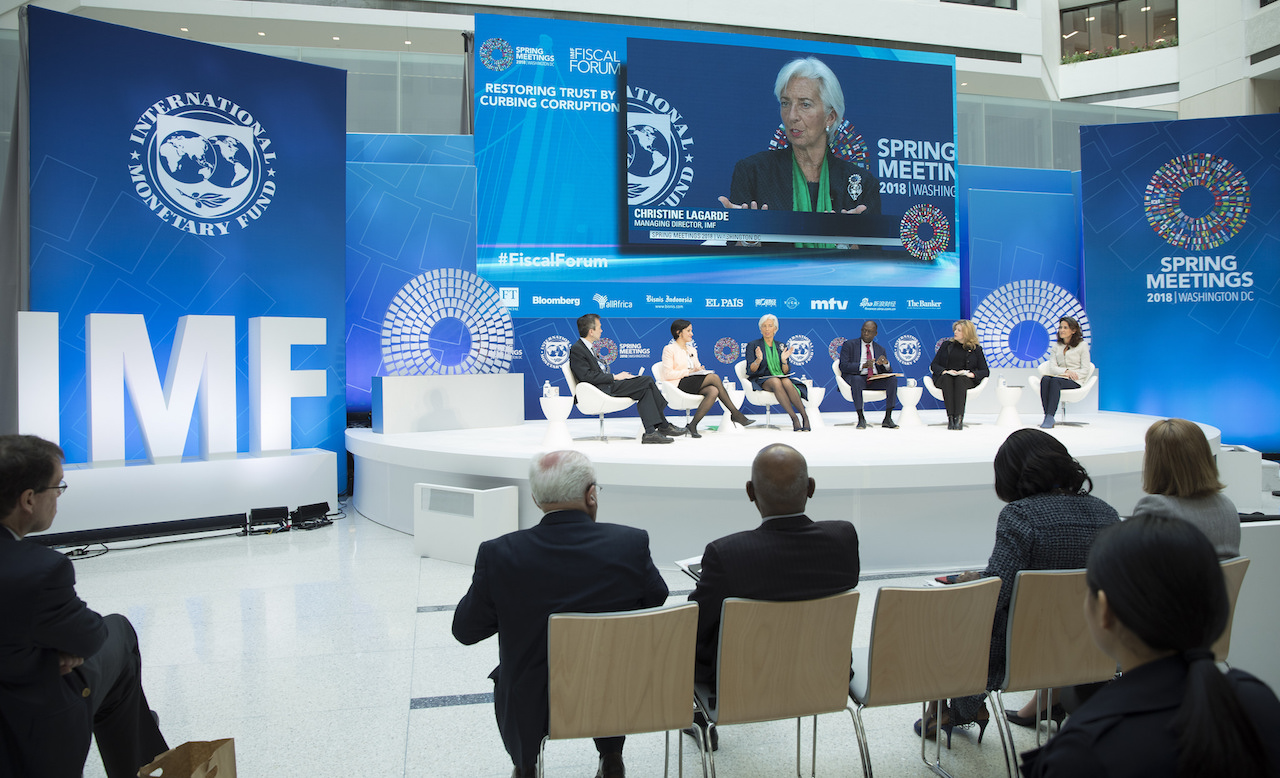
The International Monetary Fund (IMF) has projected that Nigeria’s Consumer Price Index will hit 16.1 per cent in 2022.
It stated this in its Regional Economic Outlook for Sub-Saharan Africa published on its website last week.
The IMF blamed growing food costs, adding that it will further pressure citizens of Nigeria and other Sub-Saharan African countries.
Part of the report reads: “In sub-Saharan Africa, food prices are also the most important channel of transmission, although in slightly different ways. Wheat is a less important part of the diet, but food, in general, is a larger share of consumption.
“Higher food prices will hurt consumers’ purchasing power, particularly among low-income households, and weigh on domestic demand. Social and political turmoil, most notably in West Africa, also weighs on the outlook.”
READ ALSO: Nigerian govt’s N18.1tr debt exposes banks to high risk – IMF
Concerns expressed by the IMF parallel those expressed in a recent World Bank assessment, which found that inflation will force around 23 million Nigerians into a food crisis by 2021, particularly in conflict-affected areas.
The Washington-based bank in its latest Commodity Markets Outlook report that rising food prices have heightened food insecurity in emerging markets and developing economies, especially due to food import dependence on Ukraine and Russia.
It further stated that before the war in Ukraine, the pandemic had triggered food insecurity across the world.
It added that the war-driven disruptions in the food trade, higher food price inflation, and higher costs of administering food assistance efforts are likely to make more people food insecure.
READ ALSO: IMF joins approves $1.4bn emergency financing for Ukraine
Aside from the covid-19 pandemic and the ongoing war in Ukraine, the World Bank in a different report had said that import restrictions and non-flexible exchange rate management of the Central Bank of Nigeria (CBN) were the major driving forces for food inflation in Nigeria.
The report had read in part, “Rising food prices are the underlying factor behind the surge of headline inflation in Nigeria. Food prices have increased due to import restrictions and a nonflexible exchange rate management.
“The current regime is keeping the official exchange rate of the naira artificially strong while the naira has weakened significantly on the parallel market. Additionally, the central bank has restricted importers’ access to foreign currency for 45 products and has reduced the supply to other importers.”


-
 Latest1 week ago
Israel marks 3 years since October 7 Hamas attack amid Gaza strikes, election debate
-

 Energy7 days ago
Fuel Battle: Dangote, marketers and government clash over petrol imports
-

 Latest2 days ago
Full List: Meet the 2026 Nobel Prize winners across six categories
-

 Football1 week ago
Nigeria’s World Cup exit under spotlight as FIFA’s DR Congo files emerge
-

 Latest1 week ago
US Court set to rule on release of FBI, DEA records on Tinubu
-

 Business1 week ago
Nigerian investors at a crossroads as fixed-income yields slide
-

 Latest1 week ago
Oyo APC crisis deepens as Oluyole reconciliation meeting ends in brawl
-
 Featured6 days ago
103 Million Voters: What does INEC’s new register say about Nigeria’s population?