
Latest
Japa: How early migration is reshaping family values in Nigerian homes

By Andra Oriyomi
As more Nigerian teenagers leave home after secondary school to study and work abroad, families are confronting new challenges around parental guidance, moral upbringing, sibling relationships and the meaning of independence.
For many Nigerian families, the decision to send children overseas represents an investment in a better future. However, the transition to independent living at a young age can expose teenagers to new social pressures, unfamiliar cultural expectations and difficult decisions that may affect their relationships, behaviour and personal development.
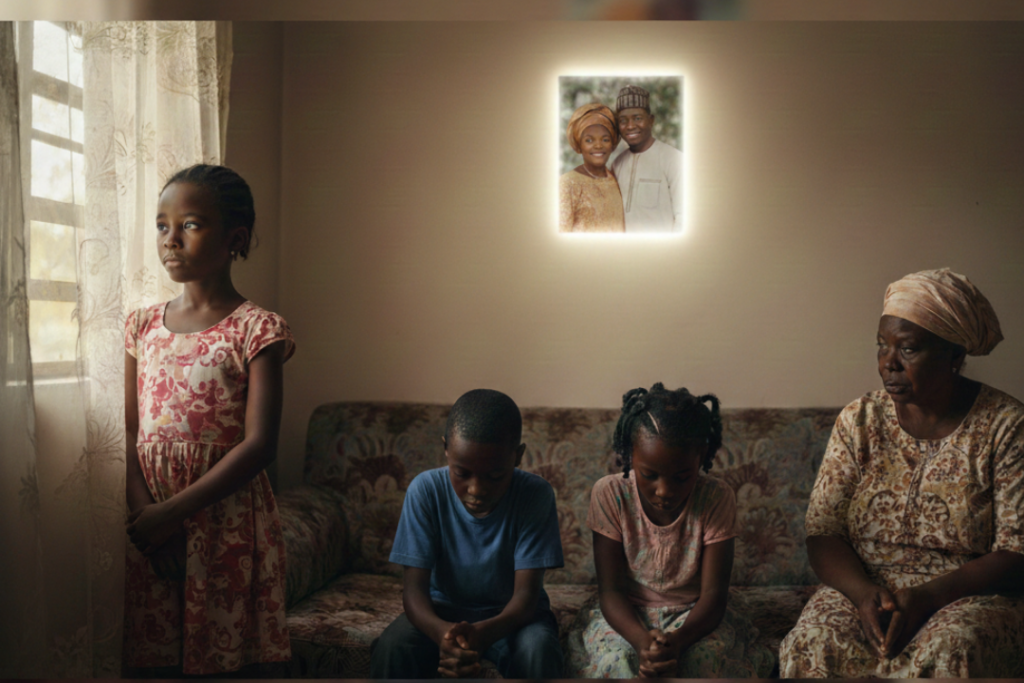
A family in Dopemu, Lagos, illustrates some of these concerns. All four children relocated abroad after completing secondary school, continued their education and eventually secured employment.
Although their progress reflects the opportunities international education can provide, their parents have had to contend with some decisions the children made at 18, which they believe might have been different if the young adults had received closer supervision and guidance.
The experience highlights a broader question facing Nigerian households: how can parents encourage independence and academic success without losing their influence over their children’s values and choices?
Early independence and the parenting challenge
Family development experts say the transition from adolescence to adulthood requires more than financial independence. Young people also need emotional maturity, sound judgement and the ability to navigate relationships, peer pressure and personal responsibilities.
Leaving home immediately after secondary school can accelerate that transition, particularly when students move to countries where they must manage their finances, accommodation, education and social lives with limited family supervision.
Unlike students living with their parents, young people abroad may not have immediate access to family members who can observe changes in their behaviour, offer practical advice or intervene when difficulties arise.
However, early migration does not automatically produce negative outcomes. Many young Nigerians abroad become responsible adults, excel academically, build successful careers and maintain strong relationships with their families.
The difference often lies in their preparation, support systems, personal circumstances and the quality of communication with their parents.
READ ALSO; Japa: How migration is reshaping Nigerian homes
A family-life expert, commenting on the broader issue, would need to assess each household’s circumstances before attributing particular behavioural outcomes to migration. The central concern is not simply where children live, but whether they possess the guidance and support required to make responsible decisions.
Distance and changing family relationships
Migration can alter the everyday dynamics of Nigerian families, particularly where parents and children previously relied on face-to-face interactions to reinforce discipline, cultural traditions and expectations.
In many homes, values such as respect for elders, honesty, responsibility, religious commitment and consideration for others are transmitted through daily routines, conversations and parental example.
When children move abroad at a young age, these informal opportunities for learning become less frequent. Parents must increasingly depend on telephone calls, video conversations and occasional visits to remain involved in their children’s lives.
Although technology helps families maintain contact, regular communication does not always provide the same level of insight into a young person’s friendships, emotional struggles or living conditions.
Family counsellors and child-development specialists generally emphasise the importance of maintaining open communication while allowing young adults room to develop their own judgement.
Rather than restricting conversations to academic performance, tuition fees and employment, parents can ask about their children’s friendships, mental wellbeing, relationships, personal challenges and experiences in their new environments.
Such conversations can help parents remain trusted advisers instead of becoming distant figures who are contacted mainly when financial assistance is needed.
Financial sacrifices and expectations
The financial burden of overseas education adds another dimension to the challenge.
Many Nigerian parents commit substantial resources to tuition, accommodation, transportation and living expenses. Some exhaust their savings, sell assets or borrow money in the belief that an international qualification will give their children better career prospects.
For these families, the expectation is often that educational investment will lead to employment, financial stability and improved living standards.
Yet academic qualifications and good jobs do not necessarily guarantee emotional maturity, responsible relationships or strong family bonds.
Where parents make significant sacrifices, disagreements may arise when their children adopt lifestyles or make decisions that conflict with family expectations.
Experts in family counselling would typically encourage parents to distinguish between reasonable expectations of responsibility and attempts to control every aspect of an adult child’s life.
Young adults, in turn, need to recognise the sacrifices behind their opportunities and understand that independence also involves accountability, respect and thoughtful decision-making.
A healthy relationship requires both sides to communicate honestly, establish reasonable boundaries and recognise that adulthood involves greater responsibility.
Cultural identity in a foreign environment
Another concern is how young Nigerians preserve their cultural identity while adapting to societies with different social norms.
Living abroad exposes students to diverse beliefs, lifestyles and attitudes towards relationships, marriage, religion, individual freedom and family obligations.
Such exposure can broaden their perspectives and strengthen their ability to interact across cultures. It can also create disagreements when their personal preferences differ from the expectations of parents and extended family members in Nigeria.
However, cultural adaptation should not automatically be interpreted as a rejection of family values. Young people can embrace new experiences while retaining important principles from their upbringing.
Parents can support this balance by explaining the reasoning behind family traditions rather than relying exclusively on authority or cultural expectations.
Maintaining family gatherings during visits, sharing stories about family history, celebrating cultural occasions and encouraging relationships with siblings and relatives can also help preserve a sense of belonging.
The objective should be to help young people develop their own identities without feeling compelled to choose between international exposure and their Nigerian roots.
What parents can do differently
The growing popularity of japa makes preparation for independence increasingly important.
Parents considering overseas education for teenagers should look beyond admission letters, visa arrangements and financial requirements. They should also assess their children’s readiness to manage life away from home.
Practical preparation should include financial literacy, personal safety, emotional resilience, responsible relationships, time management and the consequences of risky decisions.
Families should establish reliable support arrangements, including trusted adults, student advisers, relatives or community contacts who can provide assistance when necessary.
Parents should also understand the supervision and safeguarding options available to younger students, particularly those who have not yet reached the age of majority in their destination country.
Regular communication, clear expectations and mutual respect can help sustain family influence without undermining a young person’s growing independence.
For students, seeking advice should not be viewed as a sign of weakness. Knowing when to ask for help is an important part of becoming a responsible adult.
Beyond individual households
The implications of early migration extend beyond family relationships to Nigeria’s education system, labour market and long-term development.
When graduates remain abroad, Nigeria may lose some of the skills and expertise invested in their education. At the same time, diaspora communities contribute through remittances, business investments, professional networks and the transfer of knowledge.
Parents should therefore not be blamed simply for seeking better opportunities for their children. Their decisions are often influenced by concerns about the quality of education, employment prospects, security and the broader economic environment.
Addressing these concerns requires sustained improvements in domestic education, infrastructure, security and job creation, alongside policies that encourage skilled Nigerians abroad to invest in or return to the country.
Ultimately, the debate about japa and family values should not be reduced to a choice between remaining in Nigeria and travelling overseas.
The more important question is whether young people are adequately prepared for the responsibilities that accompany independence.
International education can open doors, create opportunities and broaden perspectives. But the long-term success of migration also depends on emotional preparation, responsible decision-making and the ability to maintain meaningful relationships.
As more Nigerian teenagers leave home after secondary school, families must recognise that providing access to education is only one part of raising children.
The other part is preparing them to navigate adulthood with integrity, empathy, sound judgement and respect for others.
For Nigerian families, the challenge is to ensure that the pursuit of global opportunities does not come at the expense of lasting family connections and the values that help young people build responsible, fulfilling lives


-

 Latest4 days ago
Full List: Meet the 2026 Nobel Prize winners across six categories
-
 Featured1 week ago
103 Million Voters: What does INEC’s new register say about Nigeria’s population?
-

 Football4 days ago
Premier League Matchweek 7: Five Fixtures That Could Shape the Weekend
-

 Latest3 days ago
Umahi defends Lagos-Calabar highway route changes amid public outcry
-

 Business3 days ago
Dangote Refinery IPO Extension: Was the 70% subscription report overhyped?
-
Business2 days ago
Dangote Refinery IPO: 70% Subscription claim meets fourfold demand assertion as investors seek clarity
-

 Featured3 days ago
El-Rufai, ADC governorship candidate’s court appearance puts Kaduna opposition politics in focus
-

 Latest1 day ago
UCTH faces morgue crisis as 50 unclaimed corpses await mass burial