
Business
Oil prices drop amidst Iranian exports

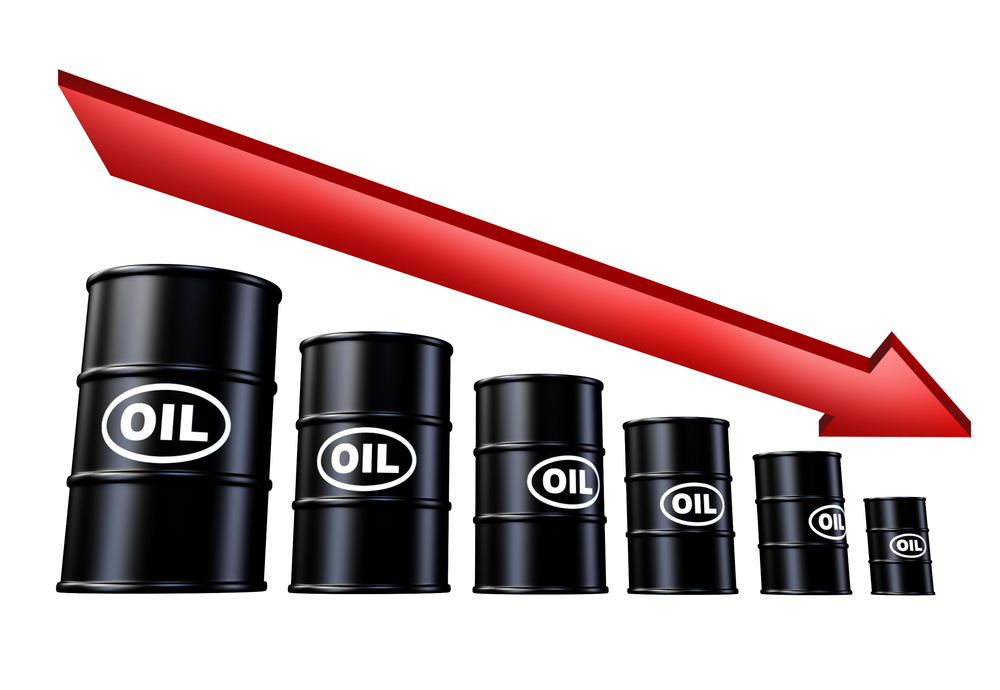
Oil dropped to around $83 a barrel on Monday, pressured by expectations that some Iranian oil exports will keep flowing after the U.S. re-imposes sanctions, easing a strain on supplies.
Two companies in India, a big buyer of Iranian oil, have ordered barrels in November, India’s oil minister said on Monday.
The Trump administration is considering waivers on sanctions, a U.S. government official said on Friday.
“One way or another, it looks as though India is going to take some Iranian crude,” said Olivier Jakob of Petromatrix, adding that the development was helping oil to “retrace some of the price surge we saw last week.”
Brent crude, the international benchmark LCOc1, was down $1.07 to $83.09 per barrel at 0817 GMT. It hit a four-year high of $86.74 last week.
U.S. crude CLc1 was down 93 cents at $73.41.
U.S. sanctions will target Iran’s crude oil exports from Nov. 4, and Washington has been putting pressure on governments and companies worldwide to cut their imports to zero.
“This is one of the single biggest supportive factors for crude,” said analysts at JBC Energy of the U.S. re-imposition of Iran sanctions. “Having said that, it may well be that we are already in the most supportive phase coming from this change and the effect will soon begin to ease.”
Oil also dropped as investors focused on rising output from other producers, such as top exporter Saudi Arabia, to compensate for lower Iranian supplies.
Saudi Arabia said last week it plans to raise production in November from October output of 10.7 million barrels per day (bpd), indicating Riyadh will be boosting its supply to the highest ever level.
“Chatter that Saudi Arabia has replaced all of Iran’s lost oil” is weighing on prices, said Stephen Innes, head of trading for Asia-Pacific at futures brokerage Oanda in Singapore.
Concern that the U.S.-Chinese trade war could slow down economic growth and hit oil demand also weighed on the market, traders in Asia said. Chinese equities fell sharply on Monday.
Oil has been supported by concern that the Iranian export loss will leave a thinner margin of unused production capacity to deal with supply shocks. The bulk of spare capacity is held by Saudi Arabia.
Innes warned that limited spare production to deal with further supply disruptions meant “the capacity is quickly declining due to Asia’s insatiable demand”.


-
 Latest1 week ago
Israel marks 3 years since October 7 Hamas attack amid Gaza strikes, election debate
-

 Energy1 week ago
Fuel Battle: Dangote, marketers and government clash over petrol imports
-

 Latest2 days ago
Full List: Meet the 2026 Nobel Prize winners across six categories
-

 Latest1 week ago
US Court set to rule on release of FBI, DEA records on Tinubu
-
 Featured6 days ago
103 Million Voters: What does INEC’s new register say about Nigeria’s population?
-

 Business1 week ago
Nigerian investors at a crossroads as fixed-income yields slide
-

 Business1 week ago
Nigerian startup 3650HQ moves to cut rising WhatsApp costs for businesses
-

 Latest1 week ago
Oyo APC crisis deepens as Oluyole reconciliation meeting ends in brawl