
Business
Tax reforms bills: Analysts weigh in on implications for Nigeria’s fiscal policy

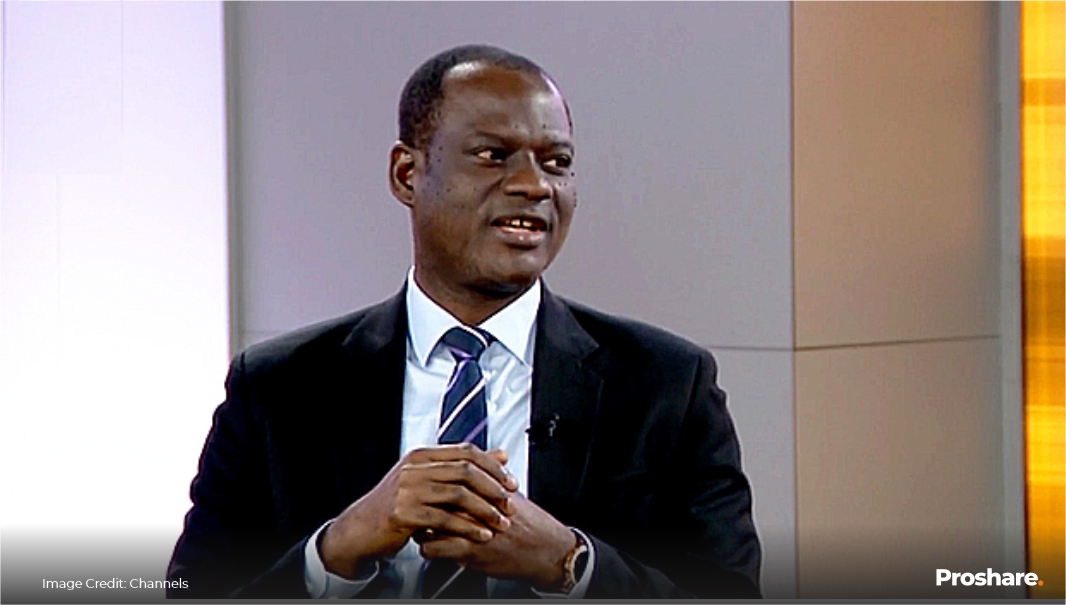
The Chairman of the Presidential Committee on Fiscal Policy and Tax Reforms (PFPTRC), Mr. Taiwo Oyedele, has clarified that Nigeria’s Finance Act will become obsolete once the proposed Tax Reform Bills are passed into law.
Speaking during a stakeholders’ session for tax consultants and chief financial officers (CFOs) on Wednesday, Oyedele explained that the committee’s recommendations aim to bring greater clarity and predictability to the country’s tax framework.
Oyedele emphasized that the federal government has been advised not to introduce a Finance Act for 2024, marking a shift in approach to fiscal policy. \
“At the last minute, you just see a new Finance Act, and you have to worry about what it entails. We feel that if we implement this reform over the next five years, the system should stabilize,” he noted.
Oyedele explained that the frequent introduction of Finance Acts creates uncertainty for businesses and citizens. By incorporating all relevant provisions into the Tax Reform Bills, the committee aims to streamline Nigeria’s tax laws and eliminate redundancies.
“Anything you can’t find in these bills does not exist after the bills have been passed,” Oyedele stated, underscoring the comprehensive nature of the proposed reforms.
The committee has also recommended a mandatory review of the tax laws every five years to ensure the framework remains relevant and adaptable.
READ ALSO: Kwankwaso warns against tax reforms, claims bias against Northern Nigeria
This development comes amid ongoing debates on Nigeria’s fiscal policies, particularly the Senate’s amendment to the 2023 Finance Act, which introduced a controversial windfall tax on banks’ foreign exchange revaluation gains.
The amendment raised the levy from 50% to 70%, drawing criticism from financial experts and stakeholders.
Senator Sani Musa, Chairman of the Senate Committee on Finance, justified the levy, stating, “The levy shall be 70% of the realized profits from all exchange transactions by banks. Any bank that fails to comply by 31st December 2024 shall face additional penalties, including a 10% fine on withheld levies and interest at the prevailing Central Bank of Nigeria (CBN) rate.”
The amendment has sparked controversy over its retroactive application and potential impact on investor confidence.
Tax advisory firm KPMG Nigeria criticized the policy, warning of possible legal challenges and highlighting that retroactive taxation is inconsistent with best practices. Similarly, PwC Nigeria raised concerns about the unpredictability of the levy, suggesting it could discourage foreign and domestic investments.
Renowned legal expert Dr. Olisa Agbakoba described the amendment as overreach by the National Assembly, cautioning that the burden of compliance would likely fall on bank customers.
“This policy lacks proper consideration and will ultimately erode confidence in Nigeria’s fiscal framework,” he remarked.
The proposed Tax Reform Bills reflect a broader effort by the PFPTRC to modernize Nigeria’s tax system and align it with global best practices. By retiring the Finance Act in favor of a stable, predictable tax framework, the government hopes to foster economic growth and restore confidence among investors.
However, experts warn that successful implementation will require collaboration between the legislature, executive, and private sector stakeholders. Regular reviews and stakeholder engagement will also be critical to maintaining the relevance and fairness of the new tax regime.


-
 Latest1 week ago
Israel marks 3 years since October 7 Hamas attack amid Gaza strikes, election debate
-

 Energy1 week ago
Fuel Battle: Dangote, marketers and government clash over petrol imports
-

 Latest2 days ago
Full List: Meet the 2026 Nobel Prize winners across six categories
-
 Featured6 days ago
103 Million Voters: What does INEC’s new register say about Nigeria’s population?
-

 Business1 week ago
Nigerian startup 3650HQ moves to cut rising WhatsApp costs for businesses
-

 Football2 days ago
Premier League Matchweek 7: Five Fixtures That Could Shape the Weekend
-

 Business7 days ago
The Ministry of Commerce of Loveworld gets a $1 million boost for new investment fund at LTIF 2026 to promote Trade in Ghana
-

 Features7 days ago
Edo’s 2.5 million vote promise: Can the numbers match the politics?