
Business
Banks, oil companies, others responsible for forex crisis –experts

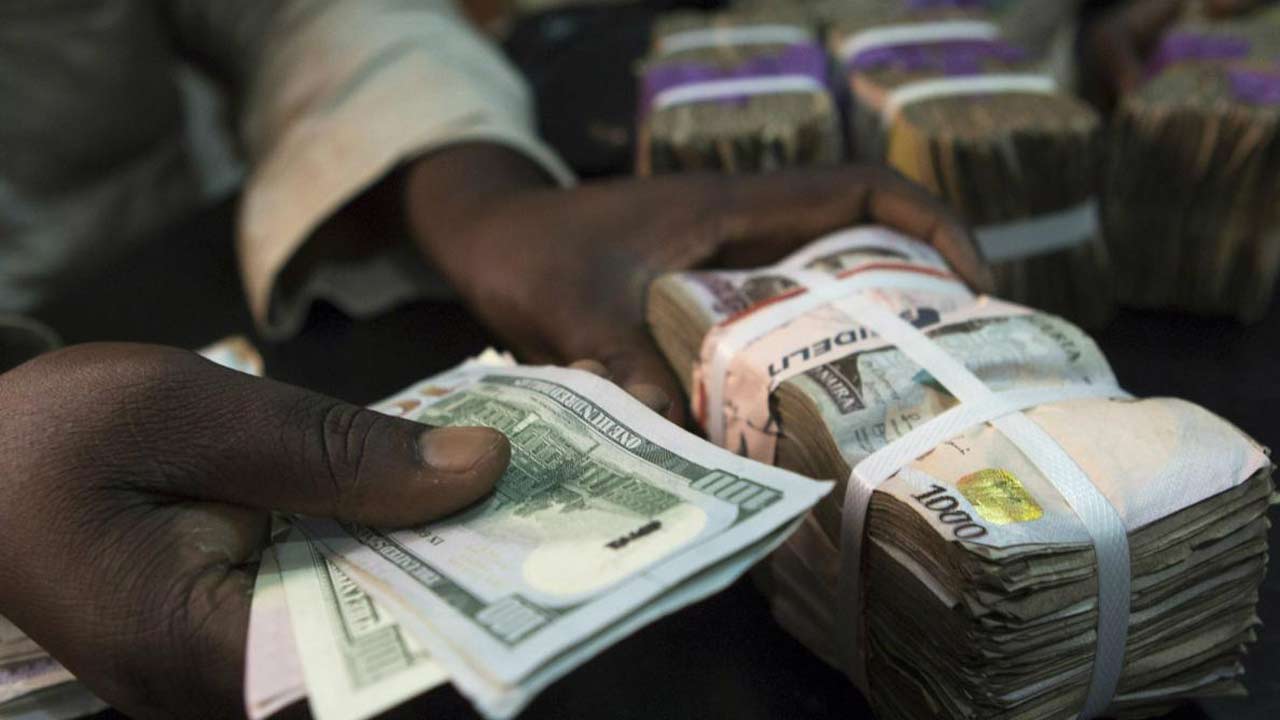
Chief Executive Officer of SD & D Capital Management, Idakolo Gbolade, says the continued Naira decline could be attributed to the reduction in forex inflows into the economy, resulting in foreign currency scarcity.
Nigeria’s currency has continued to experience free-fall against the Dollar two months after the Central Bank of Nigeria’s floating of Naira, a decision that has further worsened the woes of Africa’s largest economy.
From 14 June, when CBN liberalized the forex market, till date, the country’s currency has continued to slump against the Dollar from N750/$1 at the parallel market known as a black market to N950/$1 on Monday, August 14, 2023.
Reacting, Gbolade stated that major oil companies, establishments and commercial banks contributed significantly to the forex crisis by encouraging increased scarcity for their benefits and profitability.
READ ALSO: CBN to wipe out disparities between official, black market rates
Gbolade urged that the government must urgently pursue policies that halt further deterioration in the sector.
“The Naira’s continuous decline can be mainly attributed to reduced forex inflows into the economy, which has led to the scarcity of foreign currencies and has put pressure on existing reserves. These pressures, combined with our debt obligations, have led to reduced foreign reserves.
“The cooperation of major forex revenue contributors like the oil majors and commercial banks are also suspect because they have encouraged increased arbitrage in the foreign exchange for their benefit and profitability.
President of the Association of Bureau De Change Operators of Nigeria (ABCON), Aminu Gwadabe also blamed the prevalence of unlicensed online platforms operating in different jurisdictions without standardized regulations capturing diaspora remittances and denying the official market.
READ ALSO: Disparity between U.S Dollar, Naira widens as FX scarcity worsens
According to him, the recent happenings in the sector had further brought the need for CBN to have its members pick up agents of diaspora remittances to block loopholes and stymie the forex crisis.
“To make diaspora remittance inflows into the official market, the BDCs should be made the sole agents of diaspora remittances and break the monopoly of the agency of the international money transfer operators.
“What we have now is the prevalence of unlicensed online application platforms and fintech that operate in different jurisdictions without standardized regulation capturing diaspora remittances and denying the official market”, he stated.
“This uncertainty in this sector has contributed to rising inflation and rising high cost of living,” he stated.










-
 Latest6 days ago
Israel marks 3 years since October 7 Hamas attack amid Gaza strikes, election debate
-

 Energy6 days ago
Fuel Battle: Dangote, marketers and government clash over petrol imports
-

 Energy7 days ago
Petrol, diesel prices rise 86% in 2026 as costs hit fresh highs
-
 Energy1 week ago
Has Iran lost control of the Strait of Hormuz? Oil flows rebound as war disruptions persist
-

 Football7 days ago
Nigeria’s World Cup exit under spotlight as FIFA’s DR Congo files emerge
-

 Latest7 days ago
US Court set to rule on release of FBI, DEA records on Tinubu
-

 Business7 days ago
Nigerian investors at a crossroads as fixed-income yields slide
-

 Latest15 hours ago
Full List: Meet the 2026 Nobel Prize winners across six categories