
Featured
Electricity regulator confirms final withdrawal of subsidy, tariff hike

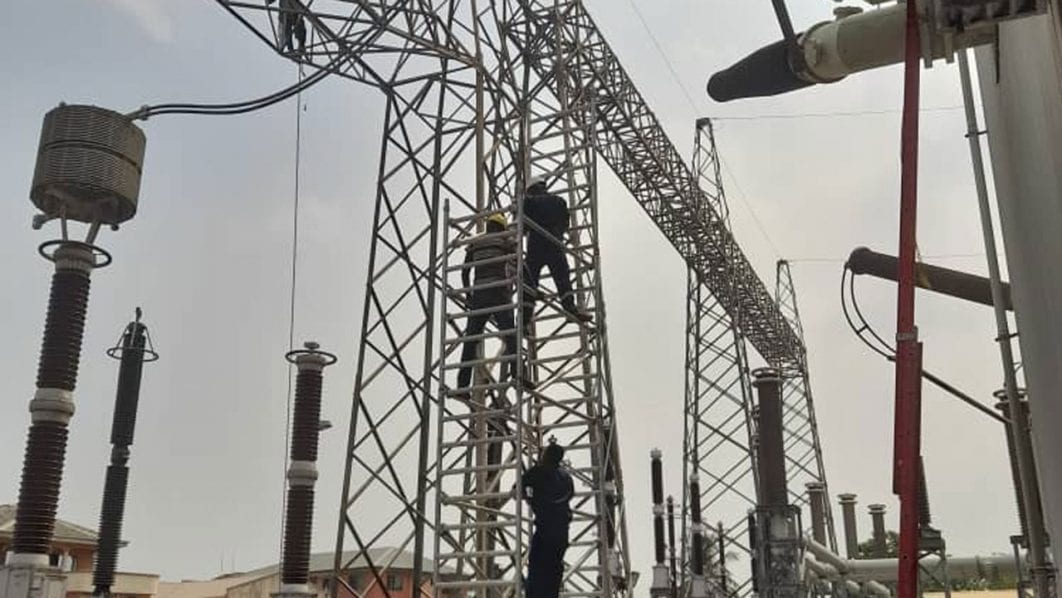
The Nigerian Electricity Regulatory Commission has announced the end of electricity subsidy following the N600bn accumulated over time.
It also revealed that electricity tariffs were raised in February this year, and that the tariff payable by some customers in the franchise area of one of the distribution companies was reduced.
This came as power generation companies condemned the Nigerian Bulk Electricity Trading company for failing in its obligations to pay for power generated by the Gencos.
Speaking at a press briefing in Abuja on Wednesday o the challenges in the power sector and other issues, the Chairman, NERC, Sanusi Garba, state the role of the commission is to make a determination of the rates that consumers should pay.
“So we strike a balance between consumers and investors.
“Now subsidy is a policy issue determined by the government. The government will decide that the rates calculated or agreed by the regulator may at this time not be passed on to consumers. It has happened many times.
“In the past four, five years the level of subsidy has gradually been reduced, because you cannot run the electricity market on life support and say that investors cannot get their return on investment until government steps in to provide the required funding.”
“So that policy decision (stopping electricity subsidy) is as announced by the Minister of Finance. The subsidies have been, at one time as high as N600bn a year, and gradually coming down to about N30bn or so this year.”
On concerns about the rise in electricity tariffs, the NERC boss stated that the adjustment was made in February this year following some economic fundamentals considered by the commission.
“What happened on February 1, 2022, is a minor review of tariff. It is very clear on our website that every six months we will adjust rates to take care of the foreign exchange component of cost and also inflation,” he stated.
Garba described the tariff adjustment as absolutely straightforward, stressing that the distribution companies were meant to inform their customers of the changes.


-
 Latest7 days ago
Israel marks 3 years since October 7 Hamas attack amid Gaza strikes, election debate
-

 Energy7 days ago
Fuel Battle: Dangote, marketers and government clash over petrol imports
-

 Energy1 week ago
Petrol, diesel prices rise 86% in 2026 as costs hit fresh highs
-

 Latest1 day ago
Full List: Meet the 2026 Nobel Prize winners across six categories
-

 Football1 week ago
Nigeria’s World Cup exit under spotlight as FIFA’s DR Congo files emerge
-

 Latest1 week ago
US Court set to rule on release of FBI, DEA records on Tinubu
-

 Business1 week ago
Nigerian investors at a crossroads as fixed-income yields slide
-

 Latest1 week ago
Oyo APC crisis deepens as Oluyole reconciliation meeting ends in brawl