
Latest
Fear, calm among Ukrainians as Russian troops enter the country

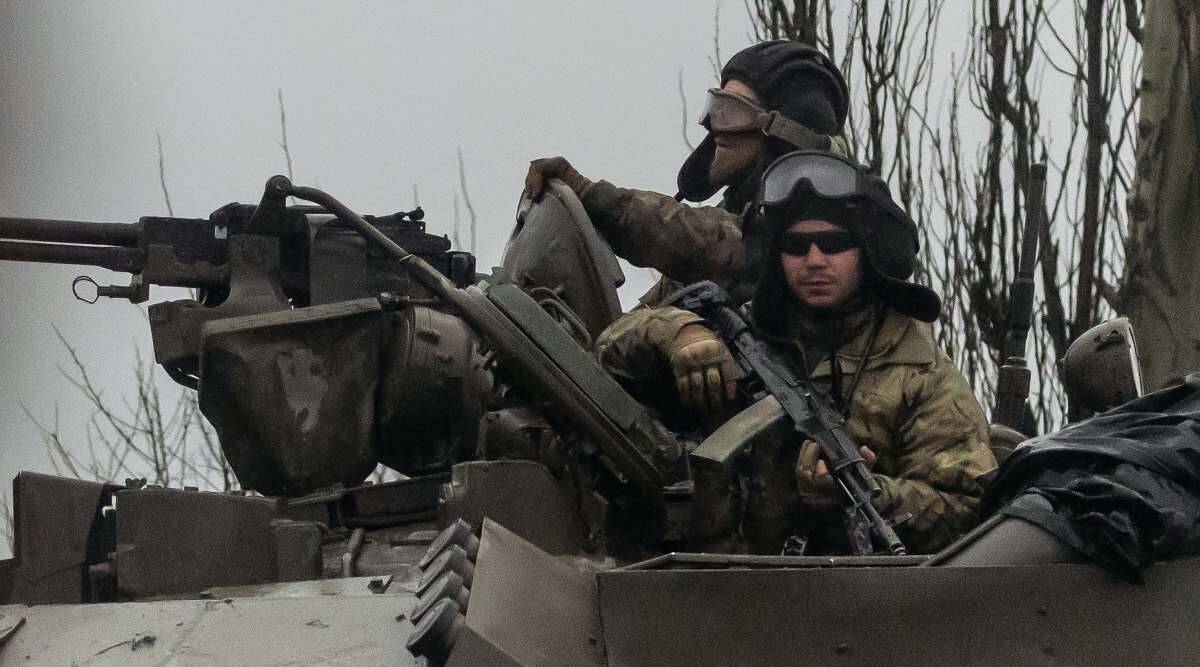
Although Ukrainians had been warned for weeks that war with Russia was imminent, when the attacks finally came Thursday many seemed not to know how to react.
Civil defense sirens wailed in the air of the capital, Kyiv, in the gray and drizzly morning, but the city’s main street Khreshchatyk was a mixture of anxiety and normalcy.
The hotel where many Associated Press journalists stayed ordered an evacuation within 30 minutes. Upon checkout, the friendly desk clerk asked: “Did you have anything from the mini-bar?”
Outside, guests hurriedly loaded their hastily packed luggage into cars, while passersby walked dogs and occasionally waved at acquaintances.
Some had been awakened by the sound of explosions on the city’s fringes, but others heard nothing. The mayor of Boryspil, the suburb where the capital’s main airport lies, said some of the explosions were due to the shooting down of drones of unidentified origin.
“I’m not scared at the moment, maybe I’ll be scared later,” said Maxim Prudskoi, a resident standing on Khreshchatyk.
In Mariupol, the Azov Sea port city that many fear will be the first major target because of its strategic importance and valuable heavy industry, AP journalists saw similar scenes of aplomb and fear.
People waited at bus stops, seemingly on their way to work, while others hastened to their cars to leave the city that is only about 15 kilometers (less than 10 miles) from the front line with the Donetsk People’s Republic, one of two separatist-held areas recognized by Russian President Vladimir Putin as independent this week in a prelude to the invasion.
As the morning progressed in Kyiv, alarm rose, with long lines of cars at gas stations and others heading away from the city. The city’s extensive subway system was declared free for all riders and scores of people huddled with luggage in corridors, appearing uncertain where to ride to but comforted by the protection of being underground.
Kyiv Mayor Vitaly Klitschko called on the city’s 3 million people to stay indoors unless they were workers in critical sectors and said everyone should prepare go-bags with necessities such as medicine and documents.
The ambivalent reaction of Ukrainians may reflect the frequent attempts by President Volodymyr Zelenskyy to moderate expectations of aggression by Russia. He had argued that panic would lead to societal destabilization that could be as much of a tactical advantage for Russia as the estimated 150,000 troops that had massed on Ukraine’s borders since late last year.
“We didn’t believe this situation would come,” said Elizaveta Melnik of Kyiv.
Zelenskyy’s position notably changed on Wednesday, when Ukraine imposed a state of emergency that included possible restrictions on gatherings and limitations on vehicular traffic.


-

 Latest4 days ago
Full List: Meet the 2026 Nobel Prize winners across six categories
-
 Featured1 week ago
103 Million Voters: What does INEC’s new register say about Nigeria’s population?
-

 Football3 days ago
Premier League Matchweek 7: Five Fixtures That Could Shape the Weekend
-

 Latest3 days ago
Umahi defends Lagos-Calabar highway route changes amid public outcry
-

 Business1 week ago
The Ministry of Commerce of Loveworld gets a $1 million boost for new investment fund at LTIF 2026 to promote Trade in Ghana
-

 Features1 week ago
Edo’s 2.5 million vote promise: Can the numbers match the politics?
-

 Business2 days ago
Dangote Refinery IPO Extension: Was the 70% subscription report overhyped?
-
Business2 days ago
Dangote Refinery IPO: 70% Subscription claim meets fourfold demand assertion as investors seek clarity