
Education
Just in: Minister of Education scraps 18-year age limit for university admission

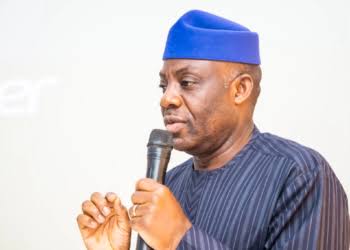
In a significant shift aimed at increasing educational access, Nigeria’s new Minister of Education, Dr. Tunji Alausa, has abolished the 18-year minimum age requirement for admission into tertiary institutions across the country.
Dr. Alausa made this announcement on Tuesday at his inaugural ministerial press conference in Abuja, signaling a policy overhaul intended to broaden access to higher education and support the aspirations of young Nigerians.
The age limit policy had long been a point of contention among education stakeholders, particularly parents, students, and youth advocacy groups, who argued it prevented qualified students—some as young as 15 or 16—from pursuing university education immediately after completing secondary school.
READ ALSO: FG enforces 18-year age limit for secondary school exams, university admissions
Under the former age limit, even academically advanced students were required to wait until turning 18 to apply to universities or polytechnics, potentially delaying their academic and professional trajectories.
Dr. Alausa, who assumed office recently, stated that this reform aligns with the ministry’s vision of promoting inclusivity and addressing barriers that limit educational opportunities for Nigerian youths.
“Education is a fundamental right, and we must ensure that no artificial barriers stand in the way of our young citizens’ aspirations,” he remarked.
The new policy is expected to bring Nigeria closer to international standards, as many countries, including the United States and United Kingdom, do not impose an age restriction for higher education admission.
It could also allow for a smoother transition from secondary school to tertiary education, potentially improving academic performance and engagement as students enter higher education at an age where they are more likely to retain foundational knowledge.
In addition to this age policy change, Dr. Alausa outlined broader initiatives under his administration aimed at tackling other pressing challenges in Nigeria’s education sector.
READ ALSO: FG issues fresh clarification on age limit for WAEC, NECO examinations
These include addressing inadequate funding, improving the quality of educational infrastructure, and ensuring qualified teachers are adequately compensated and motivated. He also expressed a commitment to aligning tertiary education more closely with the country’s economic needs, preparing graduates for the demands of a modern workforce.
Dr. Alausa’s announcement has already garnered widespread support from education advocates and policy experts. Some see it as a long-overdue move that aligns with global educational practices, while others believe it will provide young Nigerians with more agency in shaping their academic futures.


-
 Latest1 week ago
Israel marks 3 years since October 7 Hamas attack amid Gaza strikes, election debate
-

 Energy1 week ago
Fuel Battle: Dangote, marketers and government clash over petrol imports
-

 Latest2 days ago
Full List: Meet the 2026 Nobel Prize winners across six categories
-
 Featured6 days ago
103 Million Voters: What does INEC’s new register say about Nigeria’s population?
-

 Business1 week ago
Nigerian startup 3650HQ moves to cut rising WhatsApp costs for businesses
-

 Football2 days ago
Premier League Matchweek 7: Five Fixtures That Could Shape the Weekend
-

 Business7 days ago
The Ministry of Commerce of Loveworld gets a $1 million boost for new investment fund at LTIF 2026 to promote Trade in Ghana
-

 Features7 days ago
Edo’s 2.5 million vote promise: Can the numbers match the politics?