
Business
Naira among sub-saharan Africa’s worst-performing currencies

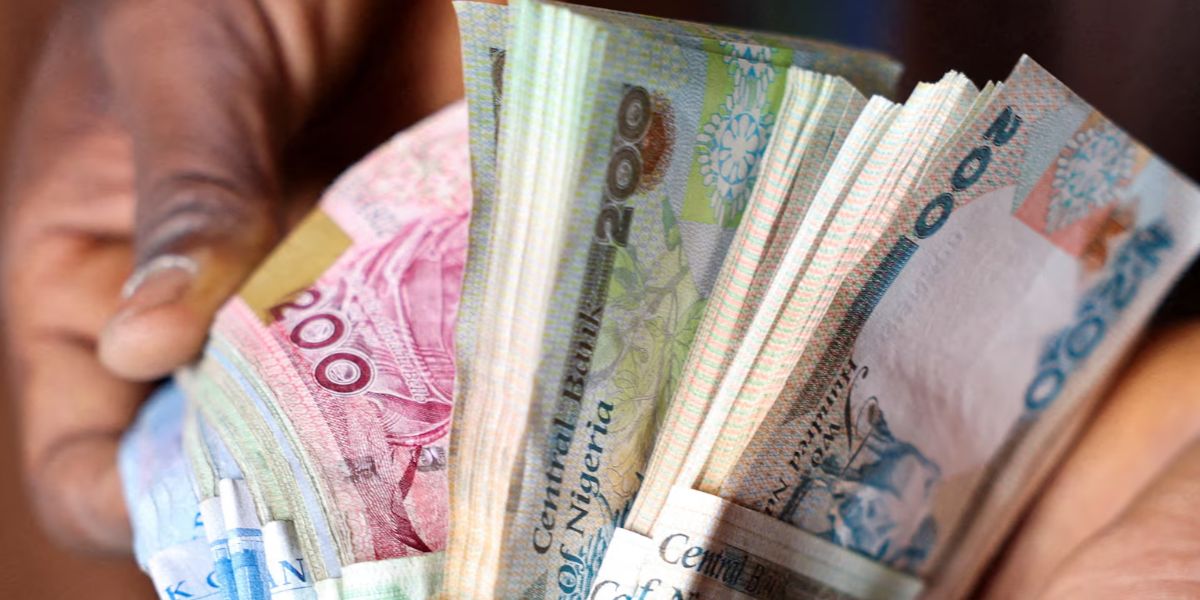
The Nigerian naira has been ranked among the worst-performing currencies in Sub-Saharan Africa for 2024, according to the latest edition of Africa’s Pulse, a World Bank report.
As of the end of August, the naira had depreciated by approximately 43% year-to-date, placing it alongside the Ethiopian birr and South Sudanese pound among the region’s weakest currencies.
The report highlighted that despite Nigeria’s efforts to stabilize its currency through foreign exchange market reforms, including the liberalization of the official exchange rate in June 2023, the naira continued to struggle.
The currency’s decline is driven by several factors, including a surge in demand for U.S. dollars in the parallel market, limited dollar inflows, and delayed disbursements of foreign exchange by the Central Bank of Nigeria (CBN). These issues have been compounded by dwindling foreign currency reserves and rising inflation.
“Ethiopia, Ghana, and Nigeria are among the worst-performing currencies in Africa this year,” the report stated. “The weakening continues as the demand for foreign exchange intensifies.”
The report also noted that measures to alleviate the high cost of living, such as Nigeria’s partial reinstatement of fuel subsidies, have placed further pressure on public finances.
READ ALSO: Naira weakens to N1,641 as market turnover surges 323%
In addition to the naira, the Angolan kwanza, Malawian kwacha, and Zambian kwacha also ranked among the worst performers.
Across the continent, foreign exchange shortages, subdued export proceeds, and increasing international debt payments have led to the weakening of several African currencies.
The report also pointed out that the naira’s depreciation has led to higher domestic prices, especially for imported goods, intensifying financial strain on Nigerian consumers.
The rising cost of living has been particularly evident in the transportation sector, which relies heavily on imported petroleum products, further exacerbated by high fuel prices.
Despite fiscal reforms aimed at stabilizing the economy, the World Bank projects that Nigeria’s inflation will remain high in the coming months.
READ ALSO: Naira-for-Crude Deal: Catalyst for Nigeria’s Economic Growth
In September 2024, Nigeria’s inflation rate rose to 32.70%, up from 32.15% in August, driven by increases in transportation and food prices, according to the National Bureau of Statistics (NBS).
The pressure on the naira was further reflected in its performance on Tuesday, October 15, 2024, when it depreciated sharply against the U.S. dollar.
The naira closed at N1,658.97/$1, marking a 6.39% decline from the previous day’s rate of N1,552.92/$1. This depreciation was accompanied by a significant drop in foreign exchange turnover, which fell by 36.62% from $343.71 million on Monday to $217.86 million on Tuesday, signaling reduced dollar liquidity in the market.
The continued decline of the naira and other economic challenges, including high inflation and volatile fuel prices, have created uncertainty for Nigeria’s economic outlook, even as other African currencies like the Kenyan shilling and South African rand show signs of recovery.


-
 Latest7 days ago
Israel marks 3 years since October 7 Hamas attack amid Gaza strikes, election debate
-

 Energy6 days ago
Fuel Battle: Dangote, marketers and government clash over petrol imports
-
 Energy1 week ago
Petrol, diesel prices rise 86% in 2026 as costs hit fresh highs
-

 Football1 week ago
Nigeria’s World Cup exit under spotlight as FIFA’s DR Congo files emerge
-

 Latest1 day ago
Full List: Meet the 2026 Nobel Prize winners across six categories
-

 Latest1 week ago
US Court set to rule on release of FBI, DEA records on Tinubu
-

 Business1 week ago
Nigerian investors at a crossroads as fixed-income yields slide
-

 Latest1 week ago
Oyo APC crisis deepens as Oluyole reconciliation meeting ends in brawl