
Business
Nigerian private sector shows signs of recovery in December, Stanbic IBTC PMI report reveals

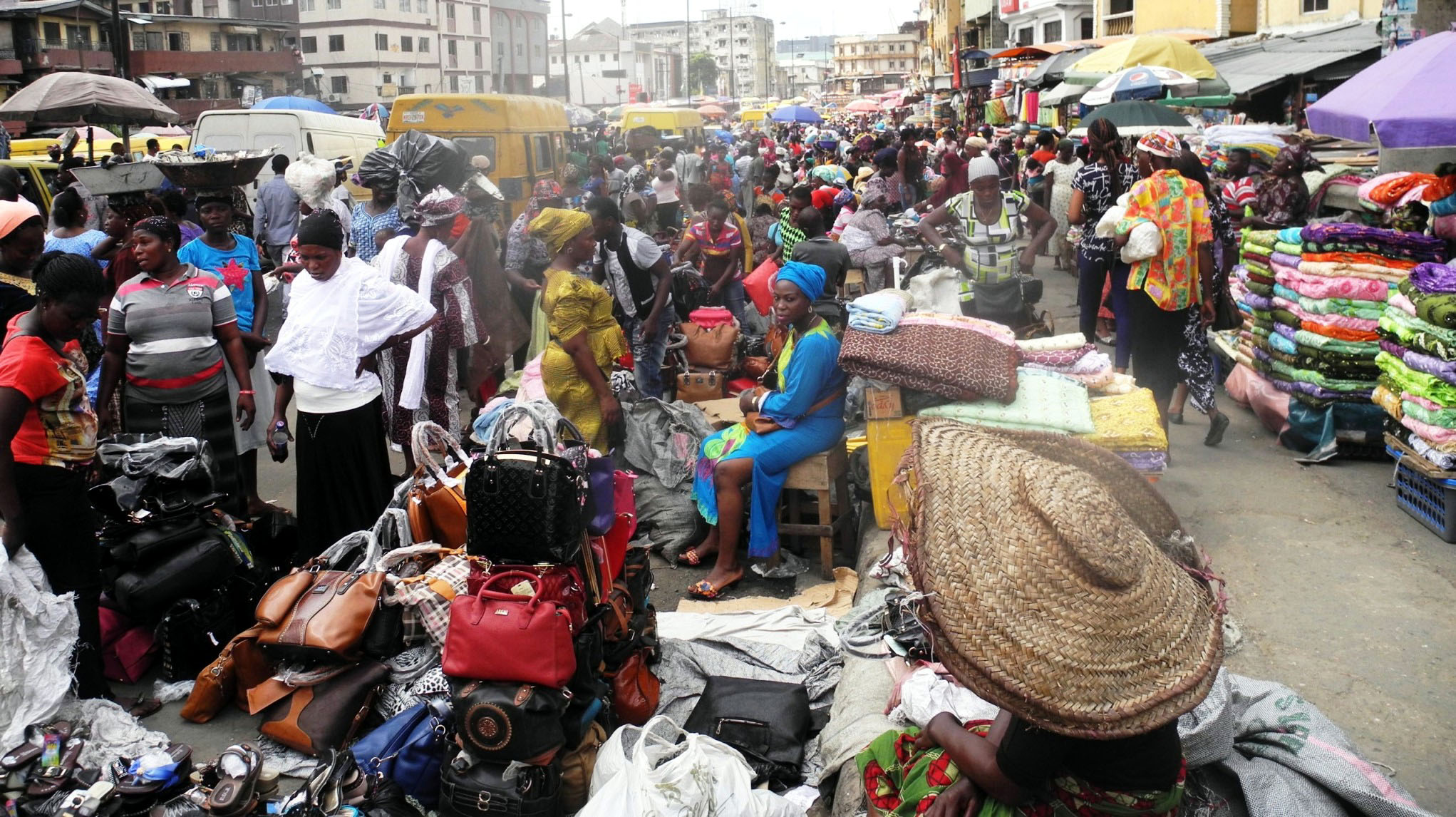
The Stanbic IBTC Purchasing Managers’ Index (PMI) survey for December 2024 signals a tentative recovery in Nigeria’s private sector. Improvements were recorded in business conditions, driven by increased new orders, output, employment, and purchasing activity.
However, elevated inflation rates remain a pressing concern.
The PMI headline figure rose to 52.7 in December, up from 49.6 in November, surpassing the critical 50.0 threshold for the first time in six months. A reading above 50.0 indicates an improvement in business conditions, while a reading below it signals deterioration.
“This marked the strongest improvement in the health of the private sector since January 2024,” the report stated.
Output: The output index surged to 54.8 points, ending a five-month streak of contraction. Growth was noted across all four monitored sectors: agriculture, manufacturing, services, and wholesale/retail.
New Orders: New orders increased for the second consecutive month, achieving the fastest growth since May 2024. This reflects improving consumer demand and rising customer numbers.
Employment: While some firms expanded their workforce in response to higher orders, others reported layoffs due to difficulties in paying wages.
Despite the recovery, input and output prices remained elevated, with the manufacturing sector experiencing the sharpest rise. Currency weakness, higher fuel costs, and transportation expenses contributed to increased purchase and staff costs.
READ ALSO: Stanbic IBTC launches senior citizens account to empower Nigeria’s ageing population
Muyiwa Oni, Head of Equity Research West Africa at Stanbic IBTC Bank, attributed the improved private sector performance to festive-season economic activity.
“The private sector activity moved above the 50-points psychological threshold for the first time in six months, settling higher at 52.7 in December from 49.6 in November. This reflects renewed expansions in output, purchasing, and employment levels,” Oni said.
He added, “We expect the economy to maintain the Q3 2024 growth momentum in Q4, supported by festive-induced activity and improved crude oil production. On balance, we estimate a 3.24% year-on-year growth for Q4 2024, adjusting our annual growth forecast for 2024 upward to 3.2%.”
The report highlighted ongoing challenges in supply chains, including poor road conditions and higher input demand. Although suppliers competed to offer prompt deliveries, delays persisted in some areas.
Business confidence, while slightly improved, remains one of the lowest on record. Nonetheless, many firms remain optimistic about 2025, anticipating improved access to funding and economic conditions, along with reduced inflationary pressures.
The survey emphasized the resilience of Nigeria’s private sector despite prevailing economic challenges. Companies are leveraging increased new orders to boost employment and purchasing activities, while inflation and currency concerns continue to pose hurdles.
As Nigeria enters 2025, the Stanbic IBTC PMI report provides a cautious but optimistic outlook for sustained private sector growth amid improving economic fundamentals and policy adjustments.


-

 Latest4 days ago
Full List: Meet the 2026 Nobel Prize winners across six categories
-

 Football4 days ago
Premier League Matchweek 7: Five Fixtures That Could Shape the Weekend
-

 Latest3 days ago
Umahi defends Lagos-Calabar highway route changes amid public outcry
-

 Business3 days ago
Dangote Refinery IPO Extension: Was the 70% subscription report overhyped?
-
Business2 days ago
Dangote Refinery IPO: 70% Subscription claim meets fourfold demand assertion as investors seek clarity
-

 Featured3 days ago
El-Rufai, ADC governorship candidate’s court appearance puts Kaduna opposition politics in focus
-

 Latest1 day ago
UCTH faces morgue crisis as 50 unclaimed corpses await mass burial
-

 Latest4 days ago
Makinde’s Chief of Staff, Segun Ogunwuyi, resigns